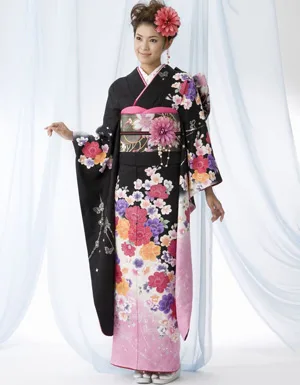
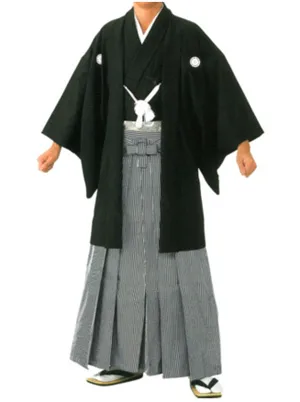
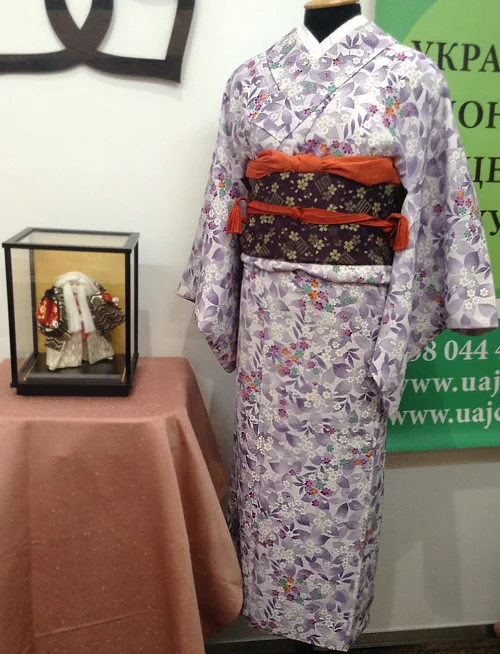
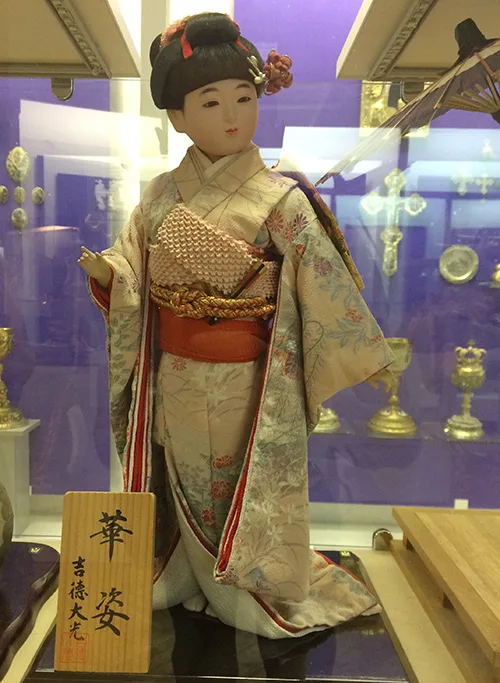
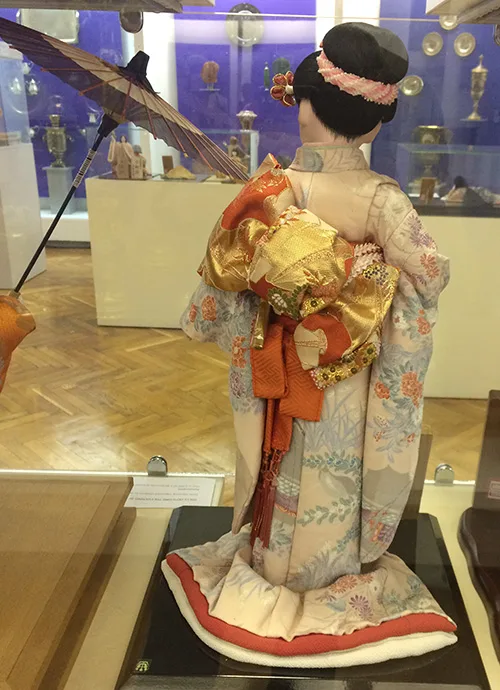
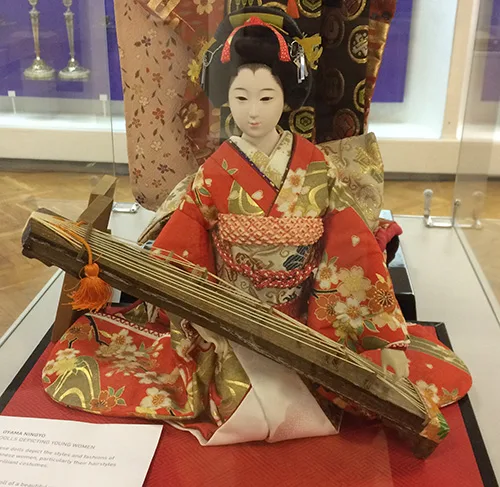
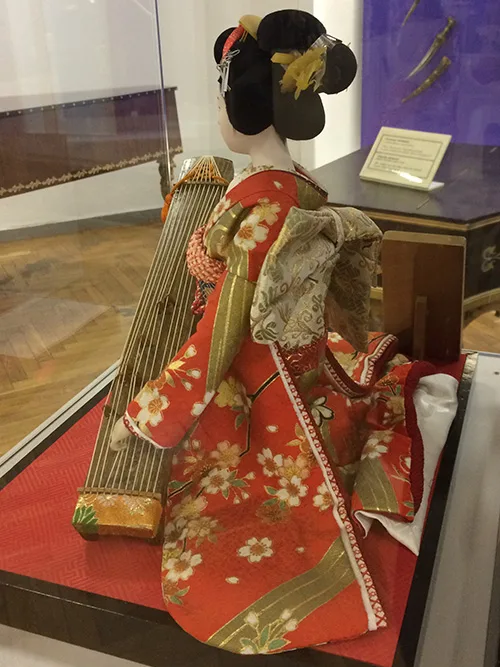
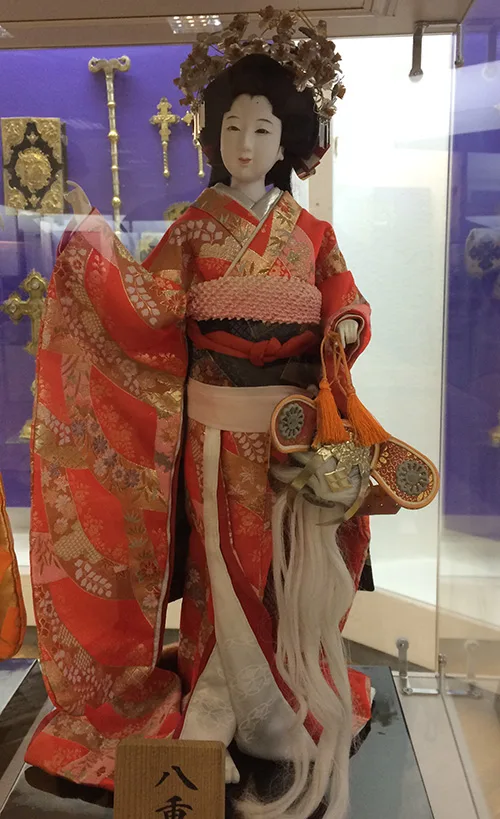
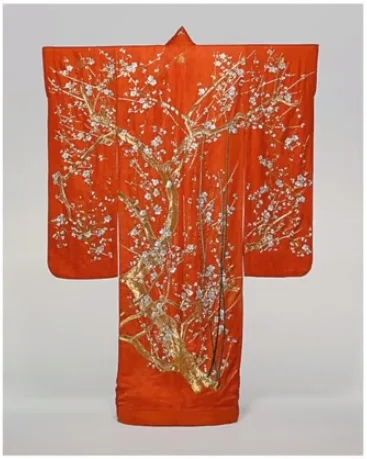
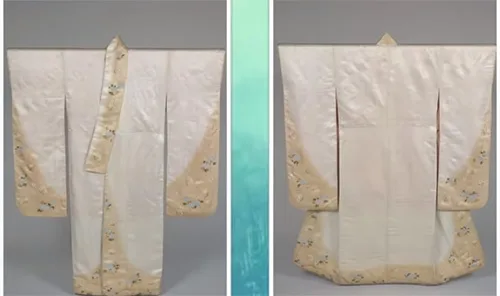
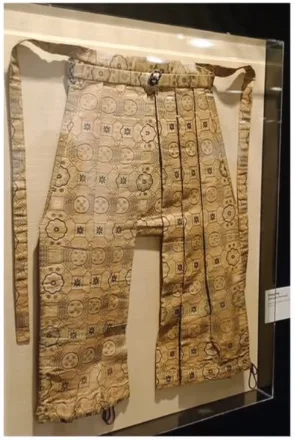
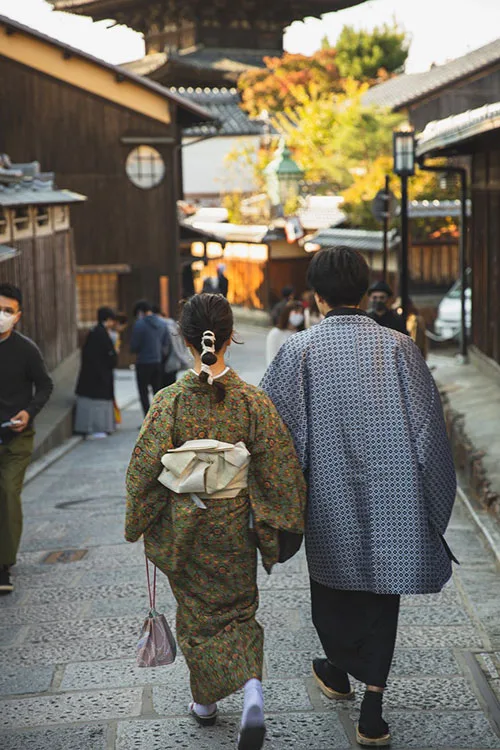
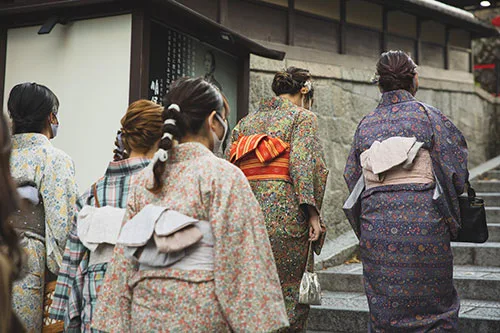
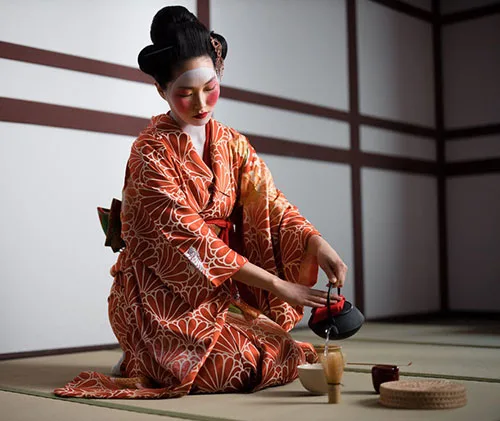
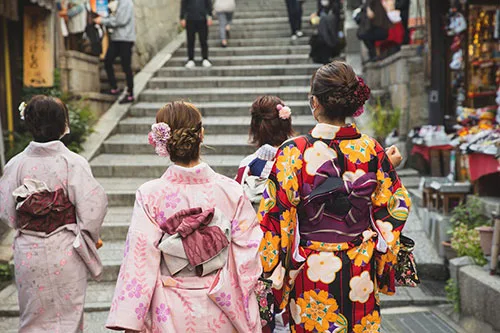
The Japanese kimono and the yukata are two of the most commonly worn garments in the country. A kimono is a full-length silky robe, worn by both men and women. Men's kimono is simple, black or brown-colored, but there are different designs of this dress for women. Traditionally, an unmarried woman wears a furisode (swinging sleeves) kimono, which has rather long sleeves (1,1 meter in length). Out of the 9 to 10 different styles of kimonos, a woman chooses one depending on various factors, like her age and marital status, type and color of the garment used, its symbolism, and the sort of occasion. In winter kimonos made of woolen fabric are worn more often. For funerals, a black kimono is worn by both sexes. kimono_w.jpgmen_kimono.jpg
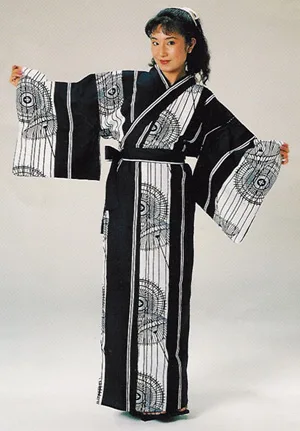
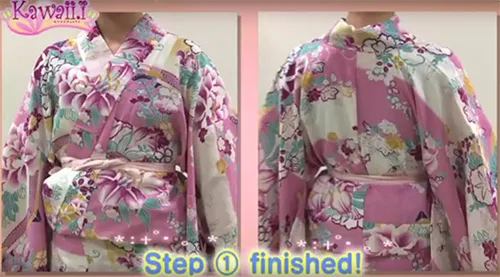
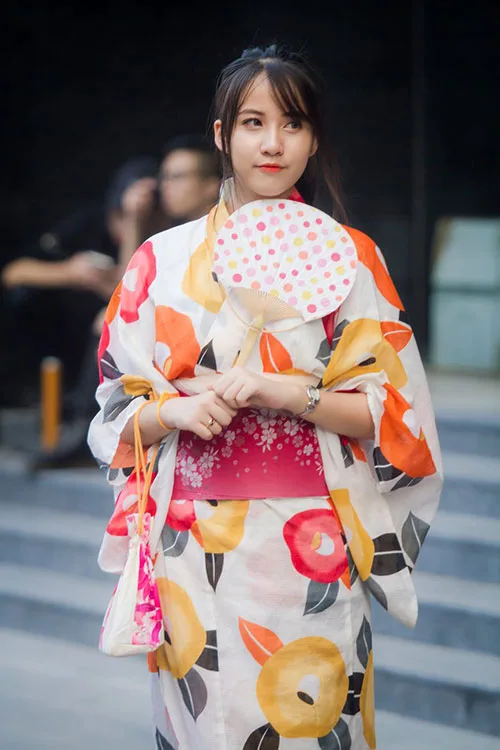
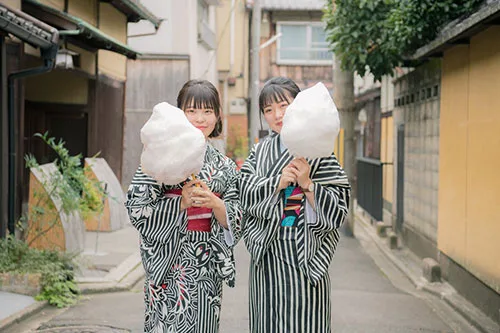
Yukata. The yukata is also a part of Japanese traditional clothing, it's a kind of a casual version of the kimono. People generally wear a yukata after bathing, which is a common sight at traditional Japanese inns. These garments are meant to cool the body. That's why they are made from fabrics like cotton. Yukata.jpg
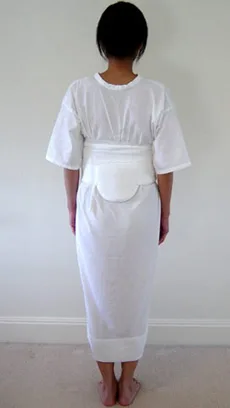
Nagajuban. This is a robe that takes the shape of a kimono, and is worn underneath it. Kimonos are usually made of silk, so they are difficult to clean. A nagajuban is worn to avoid contact between the silk and ones skin. Only the edges of the nagajuban collar are visible from outside the main garment, the kimono. Often, the collar of the nagajuban is covered or wrapped with a haneri for decorative and/or cleanliness purpose. Nagajuban.jpg
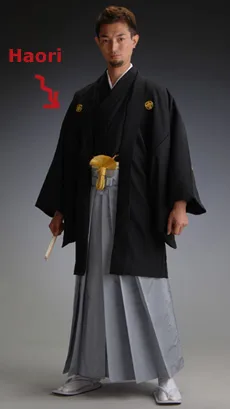
Haori. The haori is a loose-fitting, coat-like, knee-length garment. This formal-looking coat was originally worn only by men, but nowadays, it has become popular among women too. It is lightweight and generally used as a coat to keep the kimono clean.
Haori.jpg
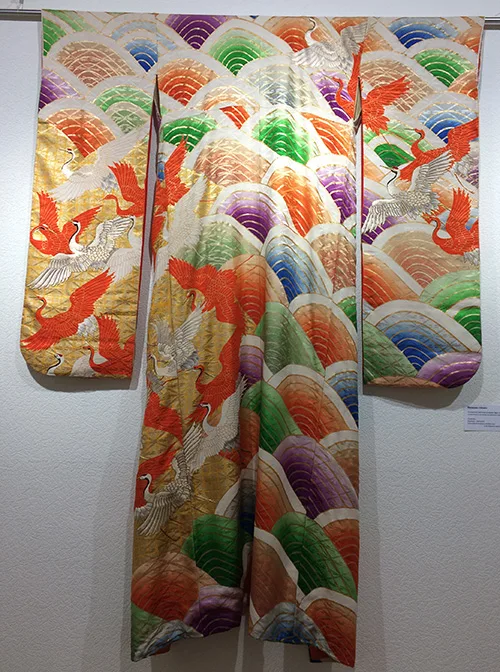
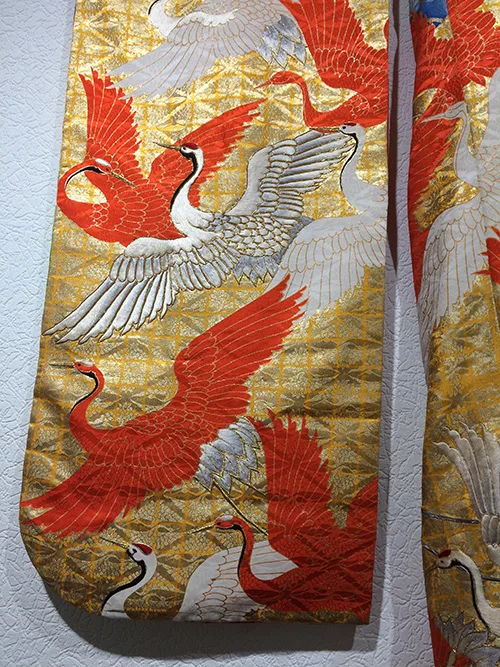
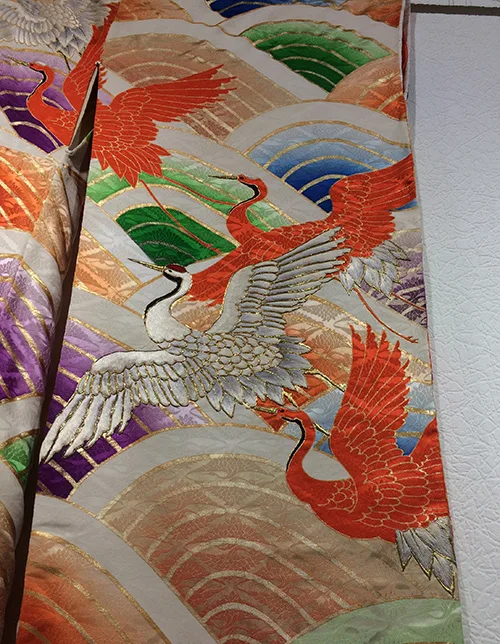
Japanese outer robe called “uchikake”. It is worn on top of the kimono. This particular garment is very colorful and adorned with embroidered images of a crane – one of sacred animals in Japanese culture.
By the way, in modern Japan, the term “uchikake” is used only for the bride’s outerwear. Kimono18.jpgKimono19.jpgKimono20.jpg
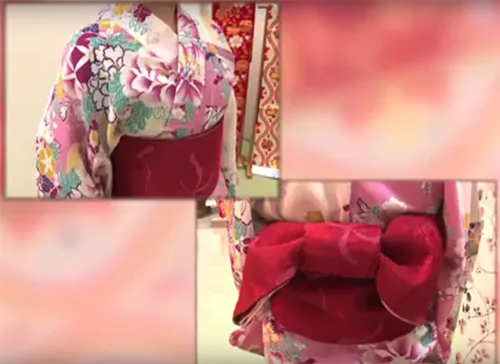
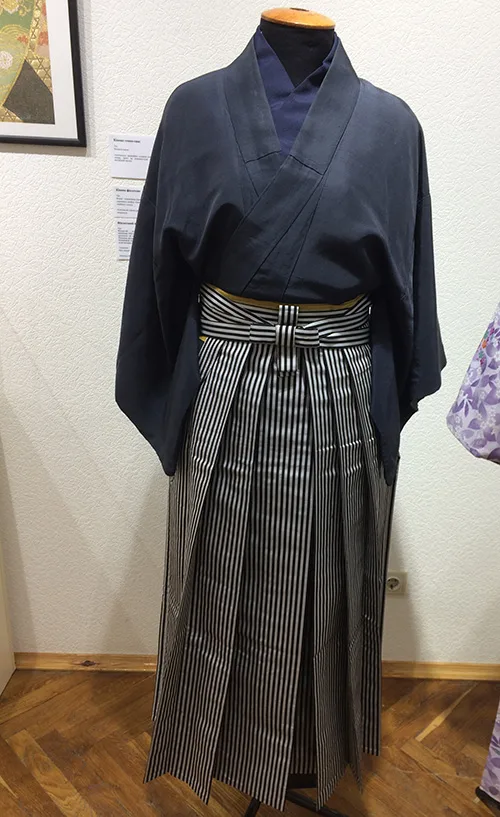
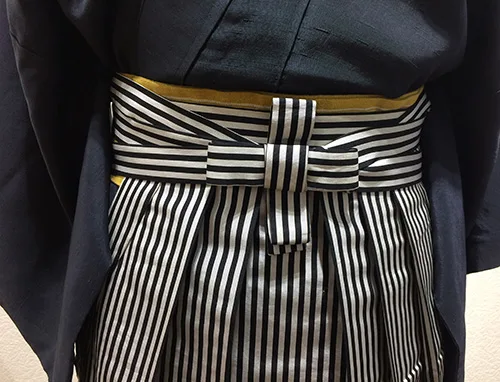
Men’s kimono. Its color palette is dark-blue. The obi belt is simple, comparatively to female belts, but the bow is charming and very masculine. This kimono doesn’t have many decorations at the outside but is embellished with rich embroidery at the inside. Kimono10.jpgKimono11.jpg
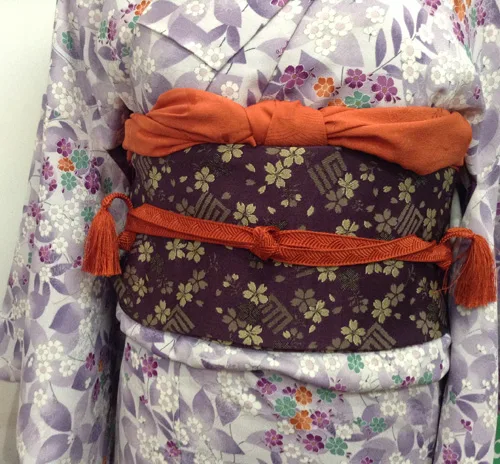
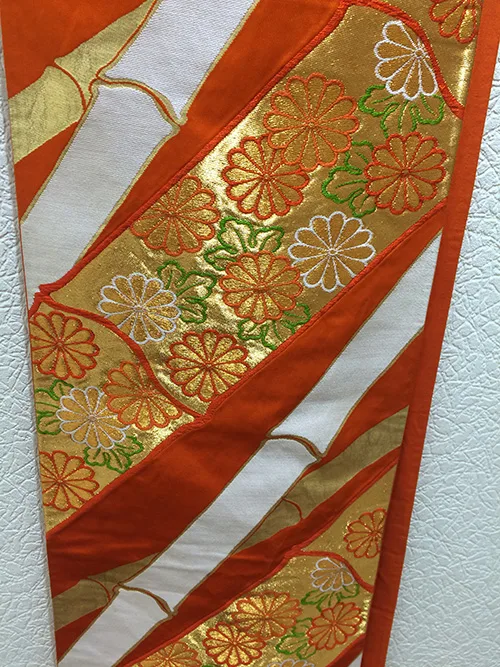
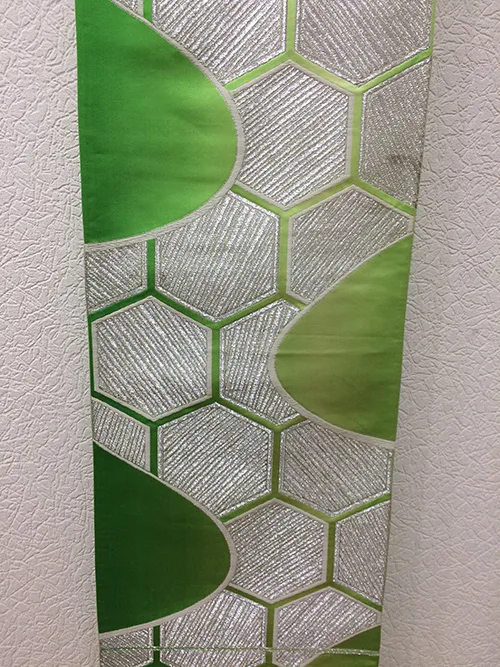
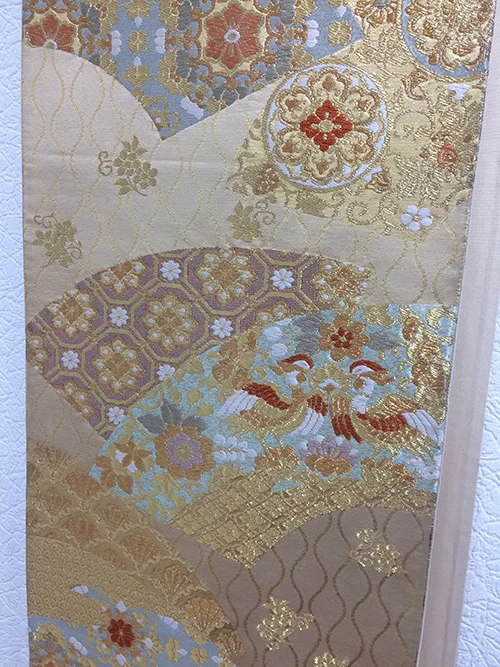
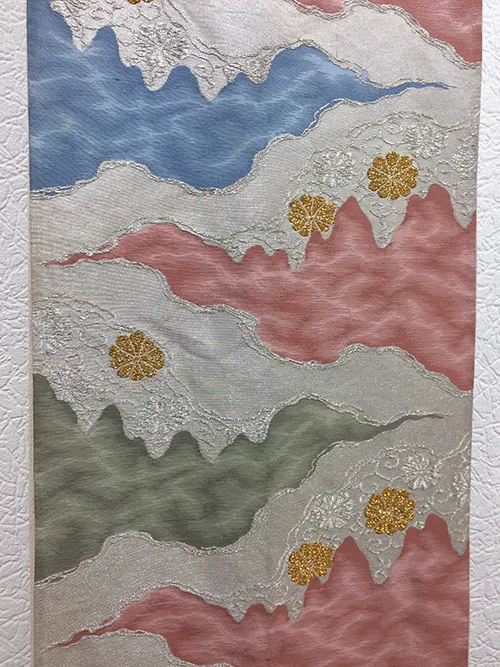
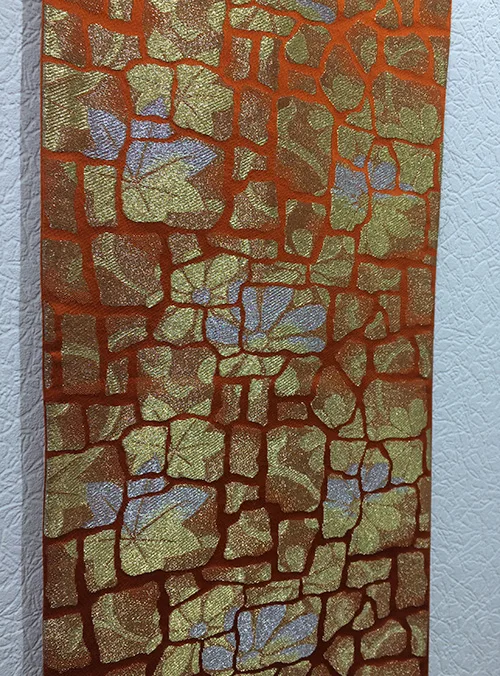
Pretty patterns on modern Japanese fukuro obi – traditional belts worn with kimono. They are embellished with skillfully made embroidery. Kimono13.jpgKimono15.jpgKimono17.jpgKimono22.jpgKimono26.jpgKimono29.jpg
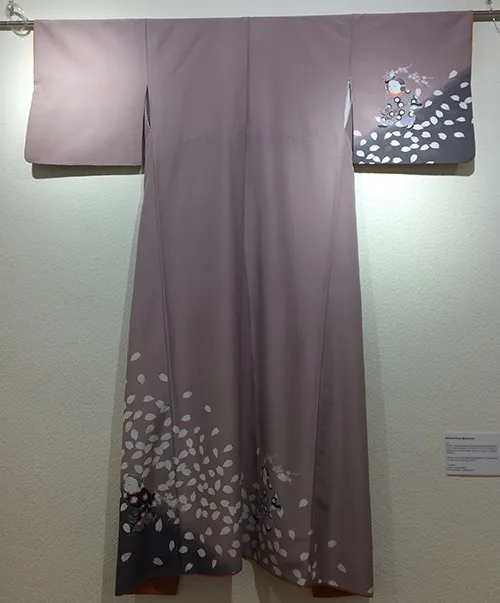
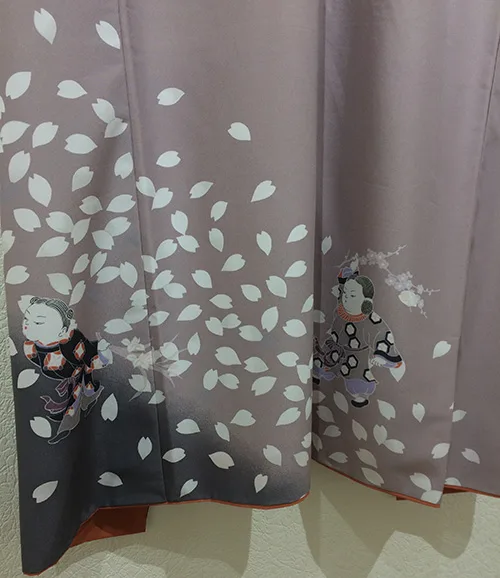
Japanese homongi kimono. It is a festive garment – women wear it to parties, official events, or even weddings (guests use homongi, not brides). This particular kimono is used by females who are younger than 30. Kimono30.jpgKimono31.jpg
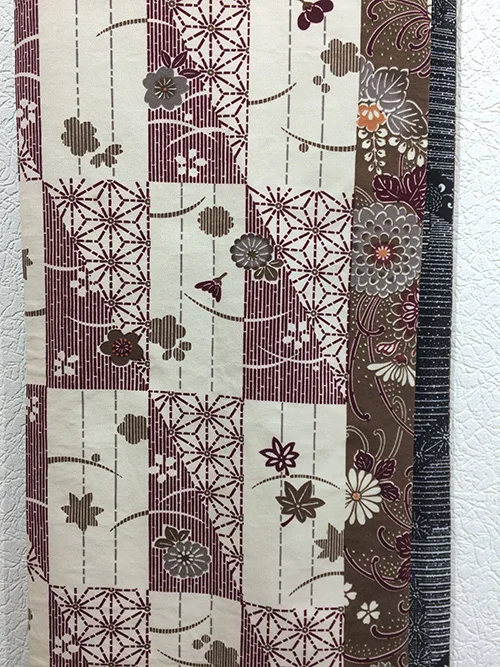
Incredibly beautiful fabrics. I have several fabrics in my arsenal for sewing Japanese clothing. I also have an order for a gorgeous blue kimono with flowers and I can't wait to get started on that order! :!:
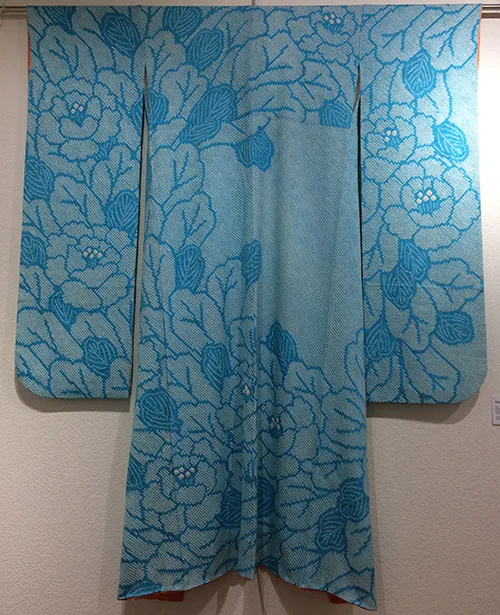
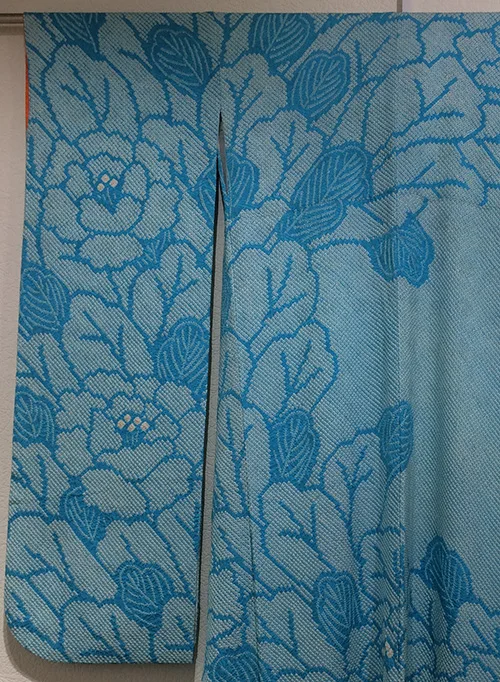
Japanese furisode kimono – bright and beautifully patterned kimono with long sleeves. It is usually worn by unmarried girls for such occasions as wedding, graduation ceremony, celebration of adulthood, etc. This particular garment is dyed using the shibori tie-dye technique.