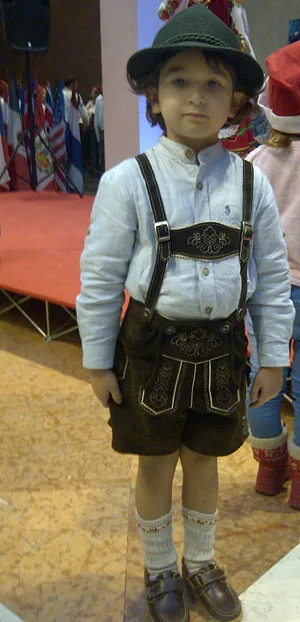
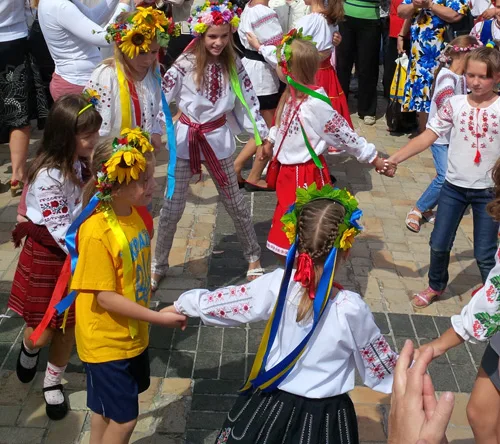
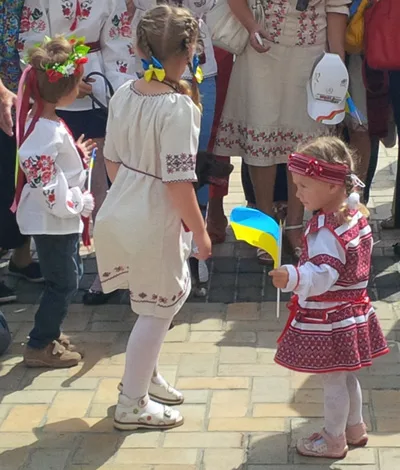
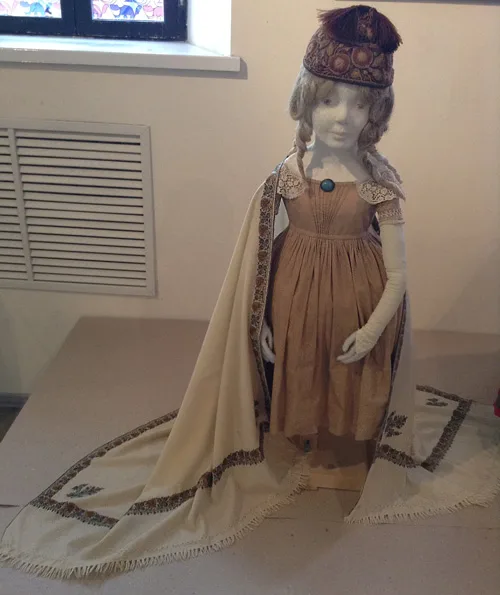
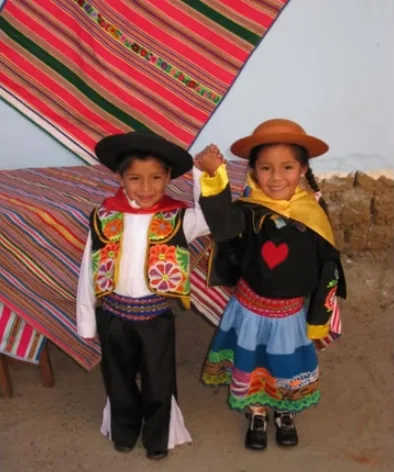
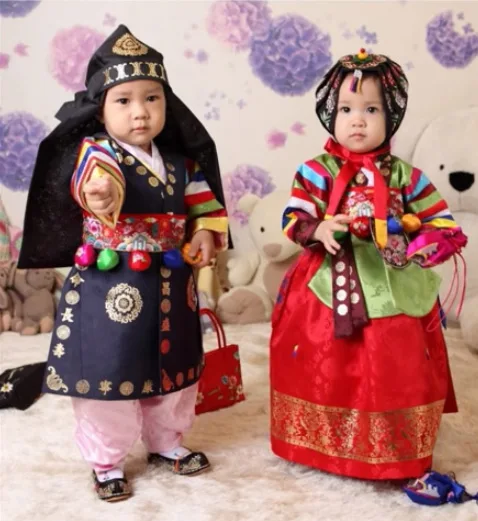
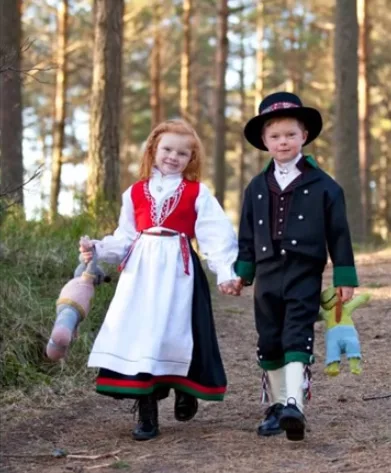
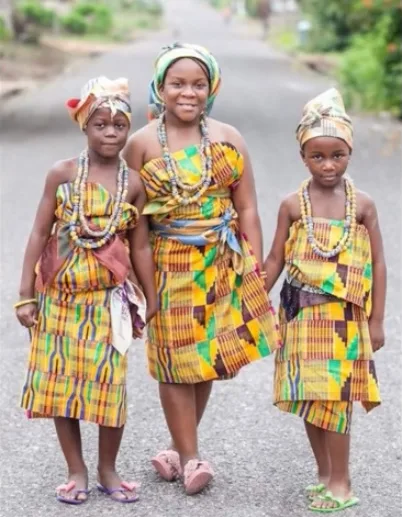
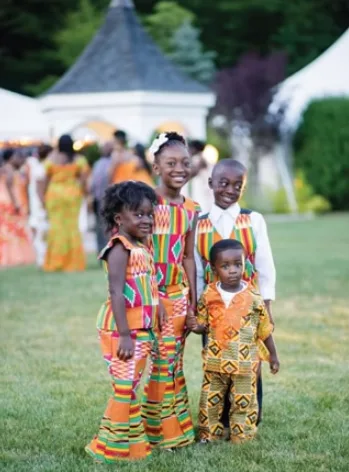
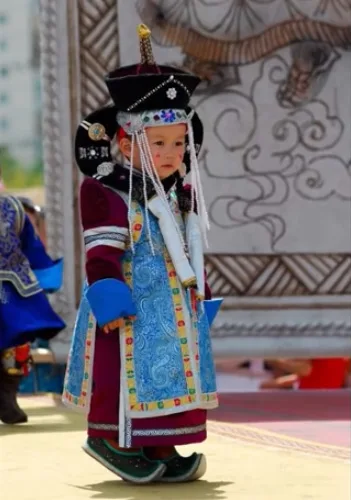
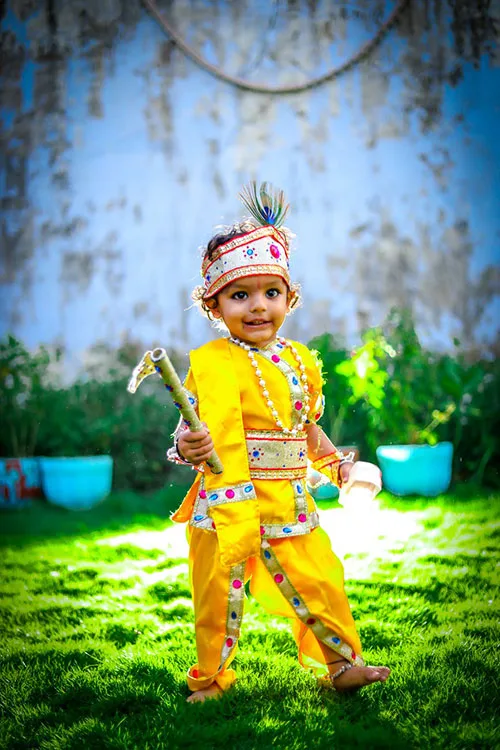
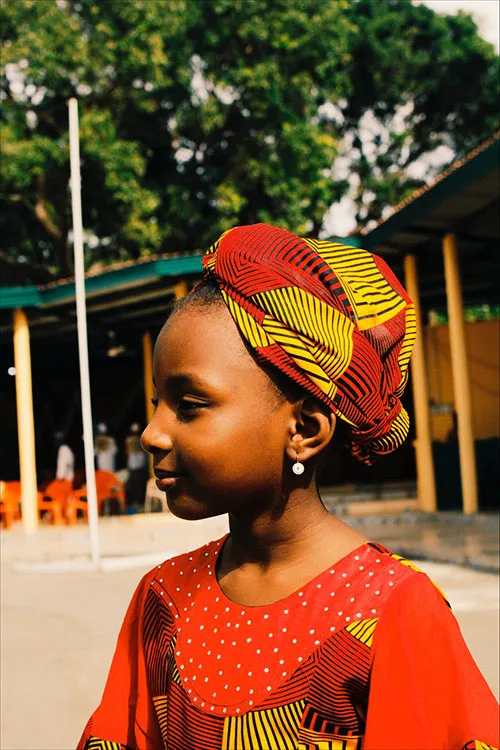
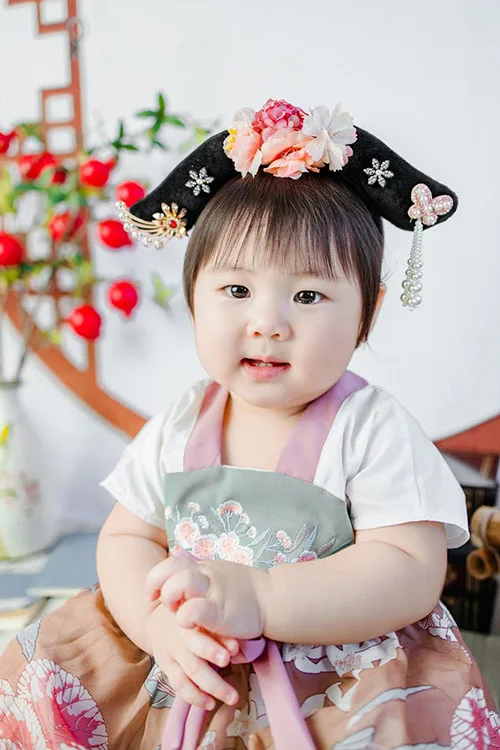
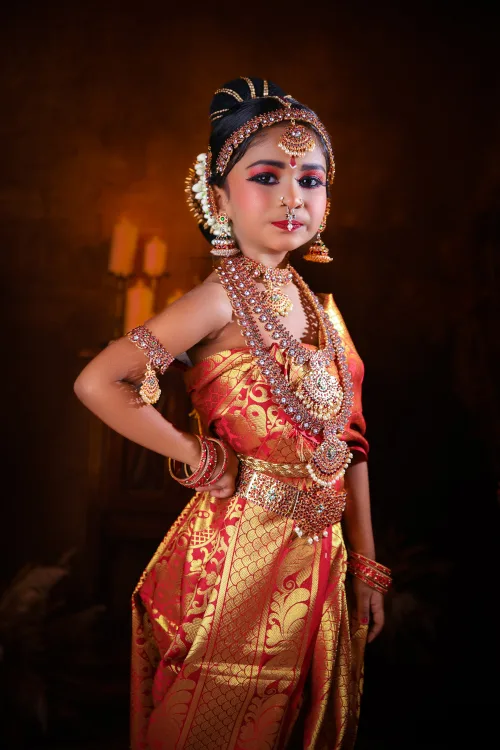
I think that it is very nice of parents to get traditional outfits for their children. Kids look charming in folk costumes. And cultural education of children is a really important thing for the future of the world. It helps to raise intelligent, educated and culturally developed people.
I met this boy and his parents at the 23rd Annual Charity Bazaar in Kyiv, Ukraine. He wears the cutest lederhosen I’ve ever seen. boy-in-lederhosen2.jpg
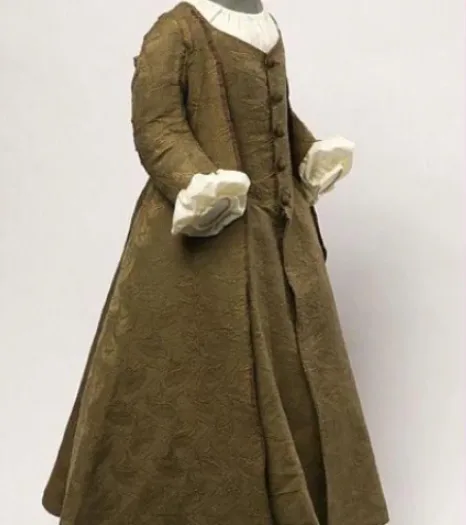
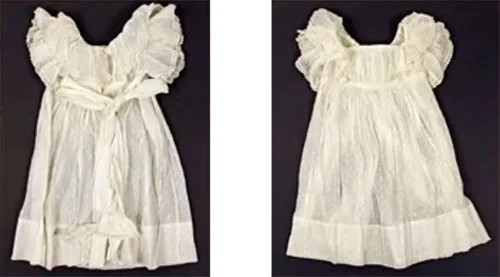
Kids’ clothing used around the world in the 19th century
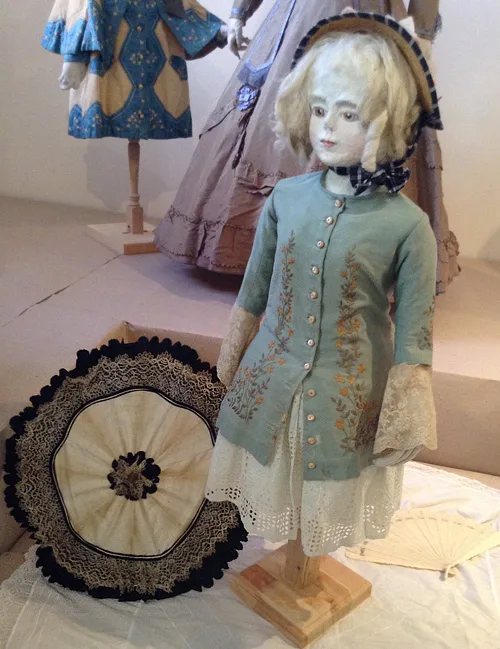
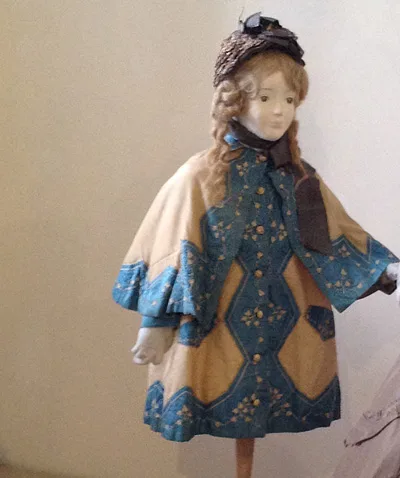
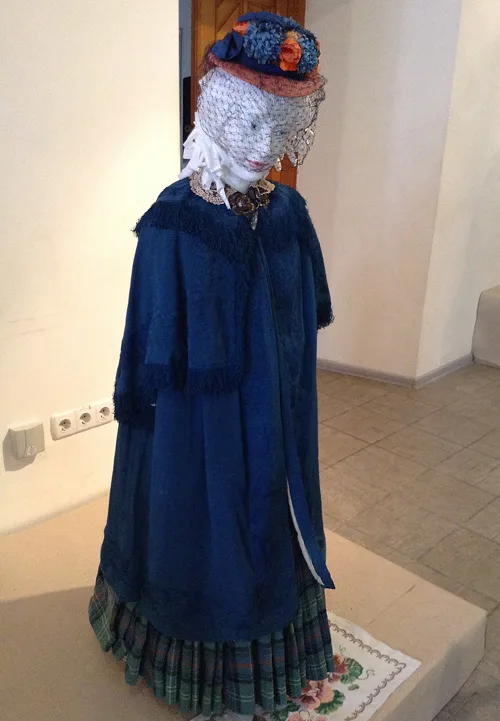
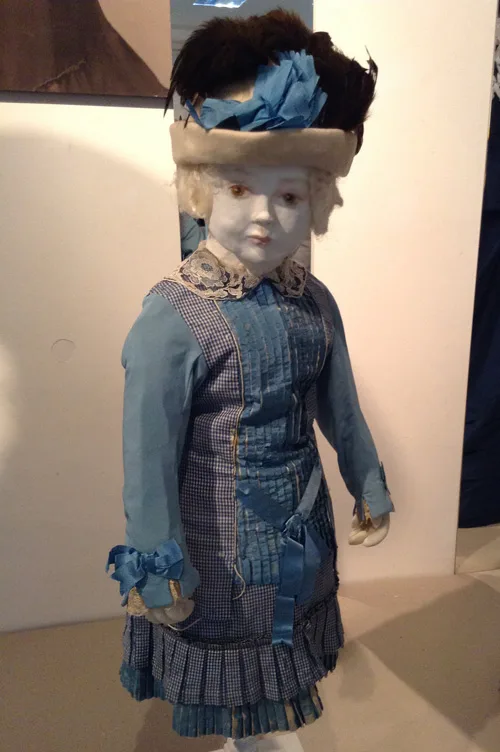
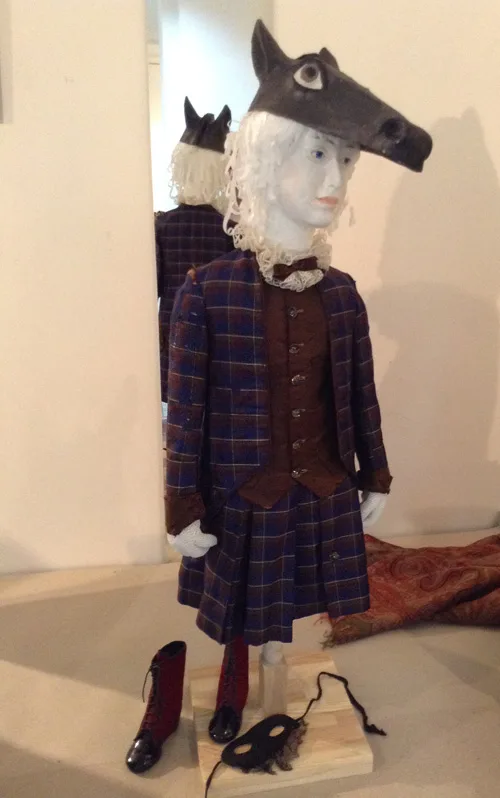
Summer dress for 4-5-year-old girl, France, 1840-1850. Dress, shawl, and hatFashion87.jpgCoat for 3-5-year-old girl, France, 1870-1880. Cerulean coat with embroidery, lacy dress, hat, and umbrellaFashion93.jpgSummer mantle-like coat for 5-6-year-old girl, Germany, 1860-1865. Blue and beige mantle-like coat and hat tied under the chinFashion98.jpgCape for 9-10-year-old girl, 1863-1865. Blue cape, long pleated skirt, blouse with lace collar and brooch, and colorful hat with veilFashion107.jpgOutfit of little girl, Austria, 1875-1880. Short dress was worn with corset and bustle; felt hat decorated with feathers and artificial flowersFashion4.jpgBoy’s attire (of 6-7-year-old boy), Europe, 1885. Pleated skirt, vest, jacket, mask, boots, gloves, and carnivalFashion7.jpg
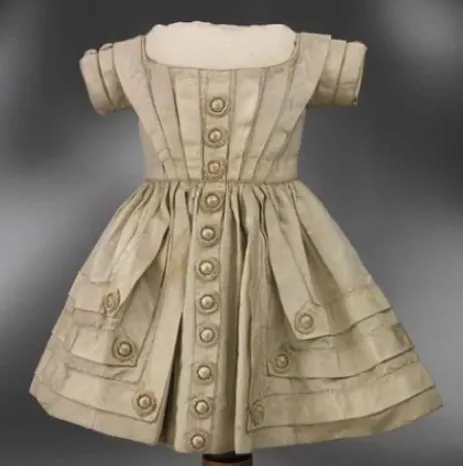
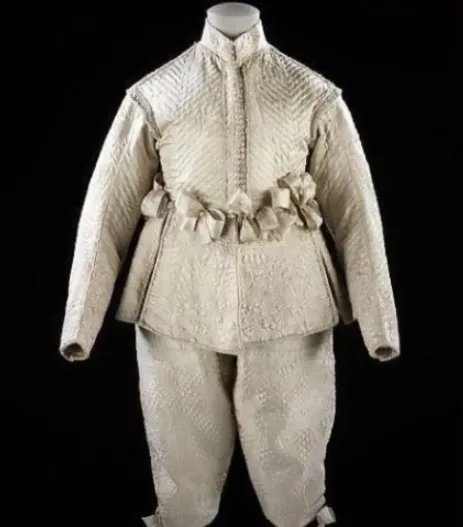
British kids’ clothing. Boy’s dress of ivory-colored silk. It was worn by Albert Edward, the Prince of Wales. This garment was made in England in 1843. Kid-clothing26.jpg
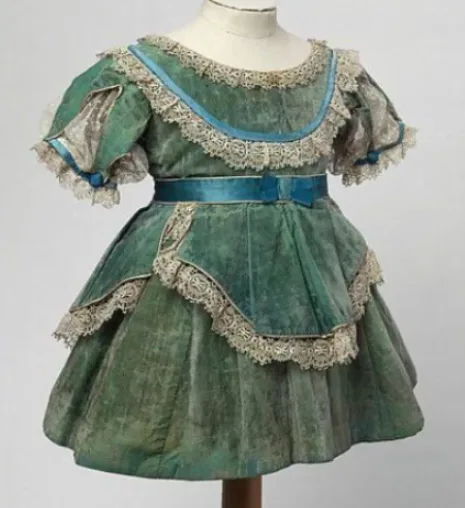
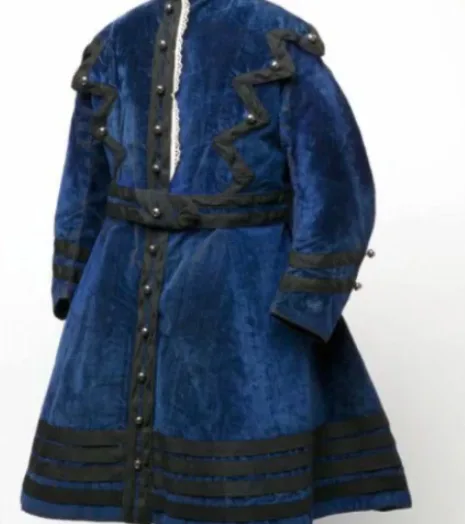
Child’s dress and basque waistband. The gown is made from pale sea green velvet and trimmed with lace and blue ribbon. England, 1870. Kid-clothing13.jpg
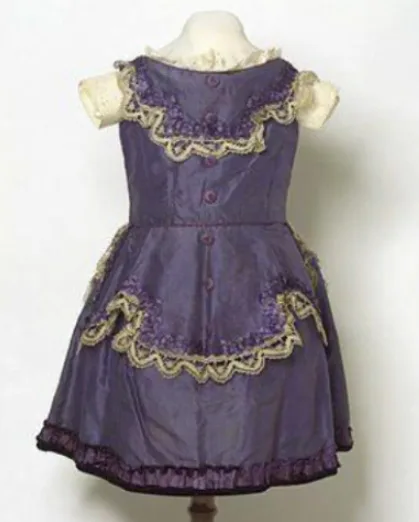
Vintage girl’s scoop-necked sleeveless dress of violet silk with a threaded ecru stripe in the weave. It has an ecru-colored yak lace trim. 1870-1879. Kid-clothing17.jpg
19th-century kid’s clothing
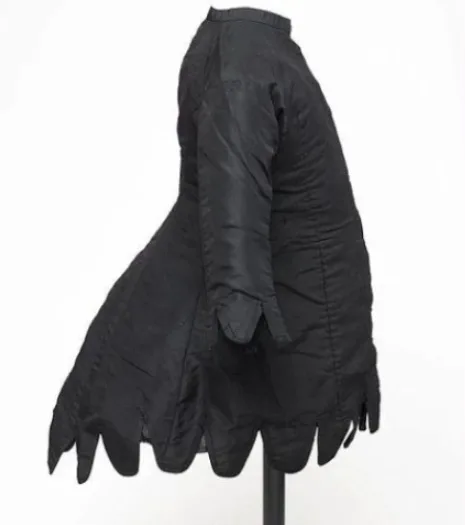
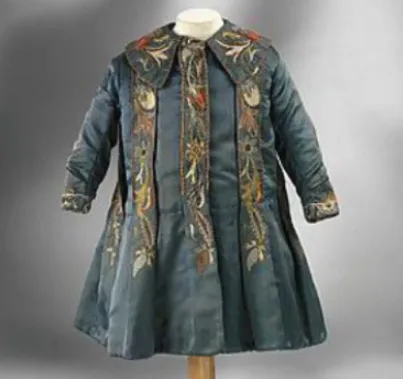
Child’s garment. United Kingdom, 1880-1895. It is made from silk and cotton fabric, decorated with hand-embroidery (silk threads and gold threads), laid work, and couching. Kid-clothing10.jpg
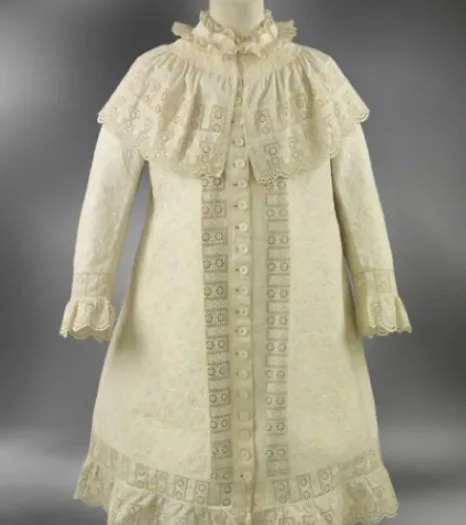
Girl’s coat. The garment is made of white cotton, machine-quilted in rose motifs. It is also decorated with embroidery and cutting. England, 1879. Kid-clothing20.jpg
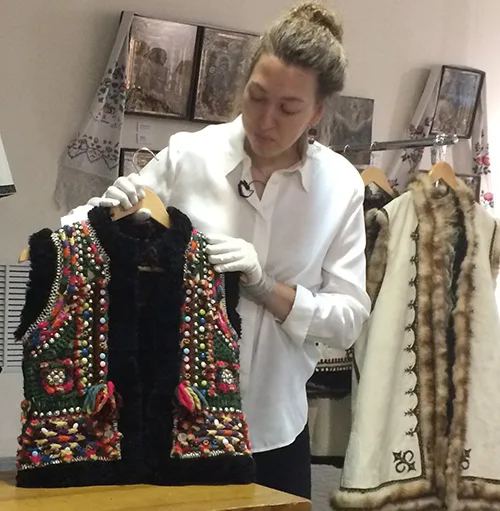
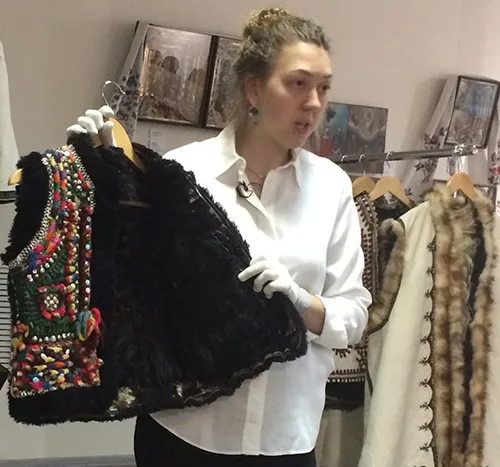
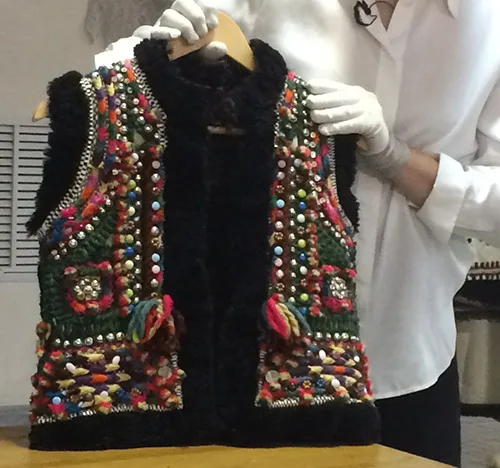
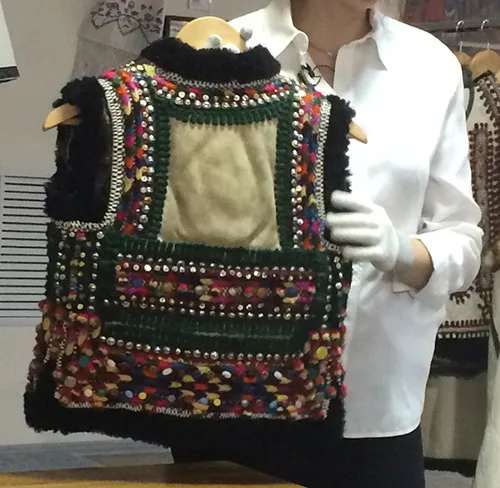
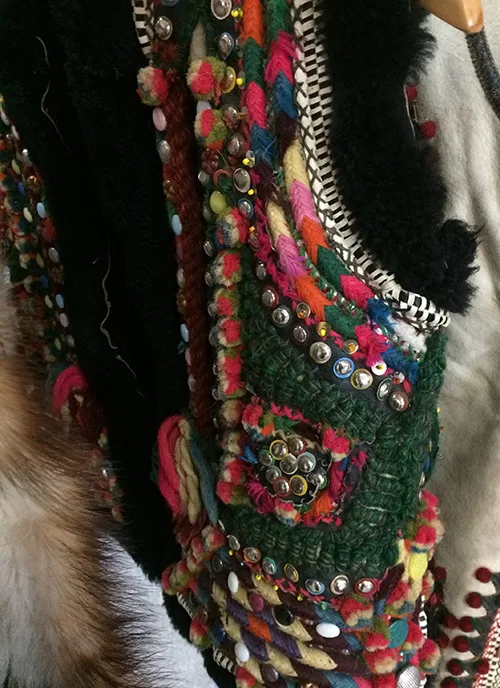
Tiny kid’s traditional vest made from black sheepskin. It is called “keptar” and was used in the Carpathian area of Ukraine (in Verkhovyna district, Ivano-Frankivsk region).
As you see, this keptar is so very ornate – adorned with embroidery, yarn decorations, metal pieces, buttons, strips of leather, etc. Such garments usually are richly embellished but this one has even more decorative items than any other I’ve ever seen.
This is a vintage piece exhibited in The national center of folk culture “Ivan Honchar Museum” in Kyiv, Ukraine.
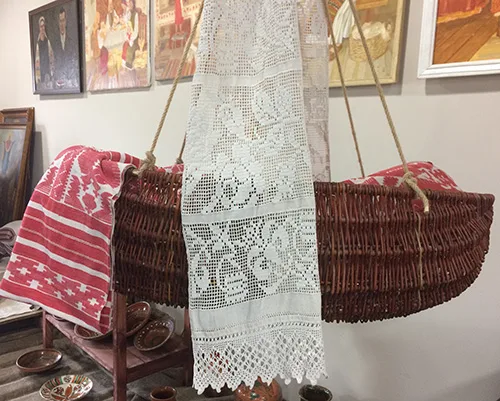
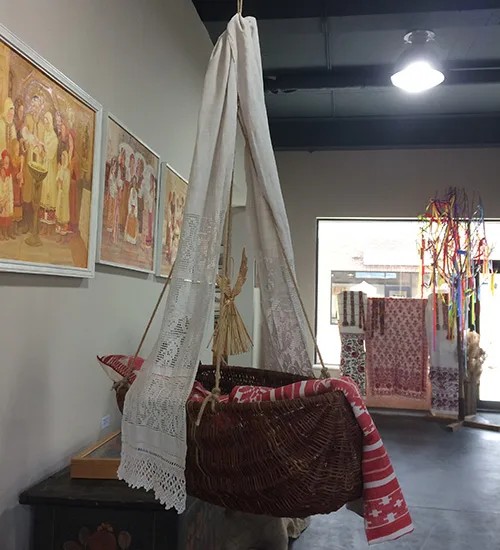
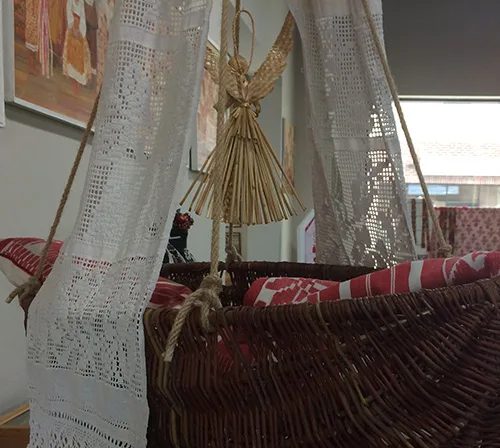
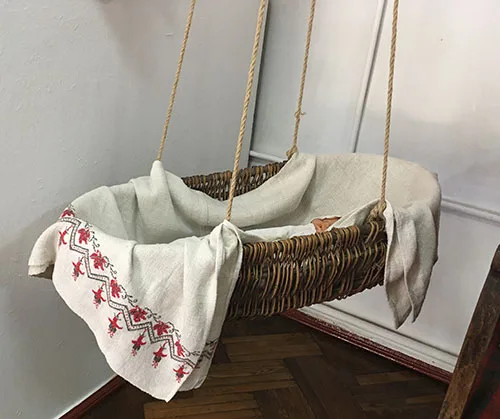
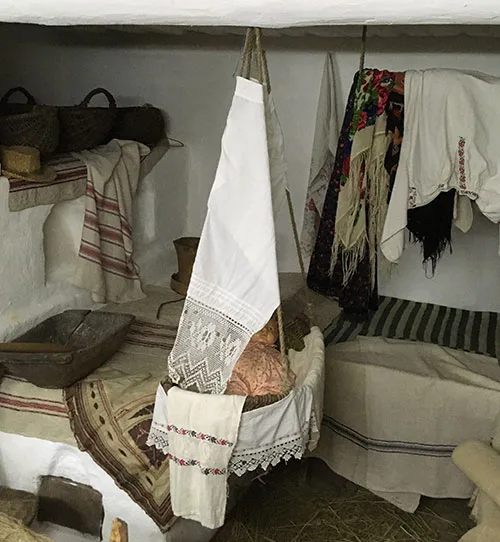
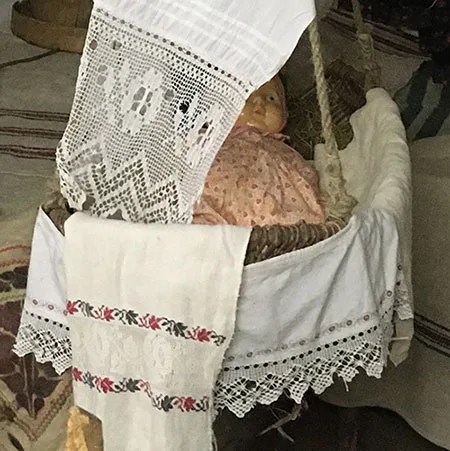
Willow crib with embroidered towels and straw doll amulet. Ukraine, the 19th – early 20th century. Embroidered towels called “rushnyk”, which also are sacred to Ukrainians, were often hung on or near the cradle as the protection from evil.
Vintage baby cribs from Ukraine. In the past, baby cradles were usually hung to the ceiling by 4 ropes. They were made from wood or woven wicker baskets. And embroidered ceremonial towels were used to adorn the crib and protect the infant from evil. Cute!
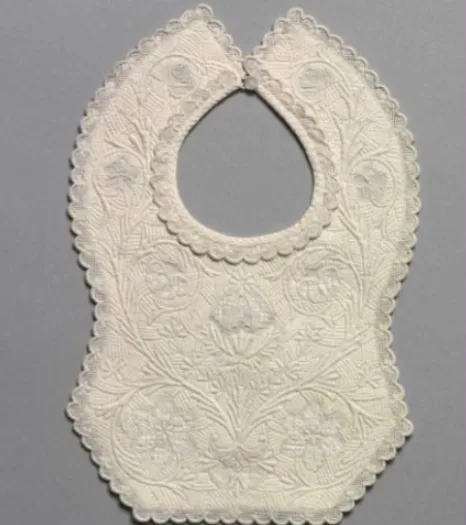
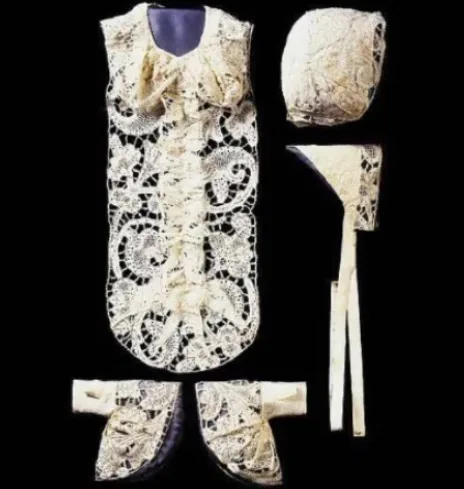
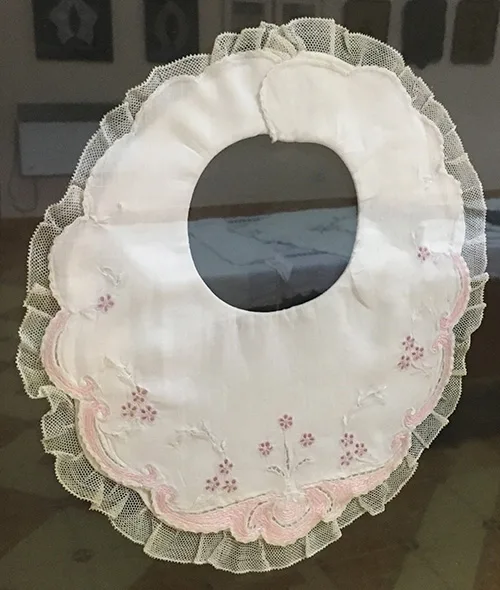
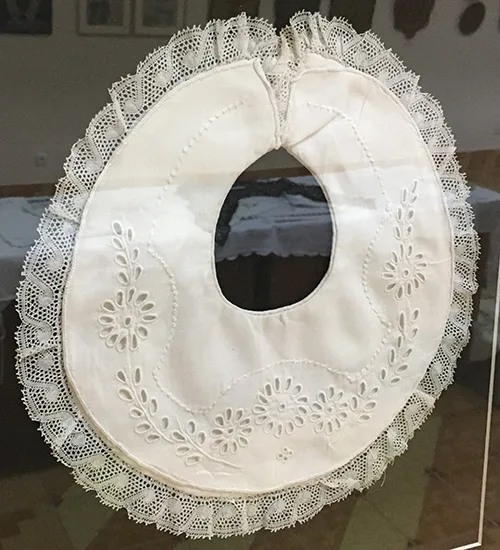
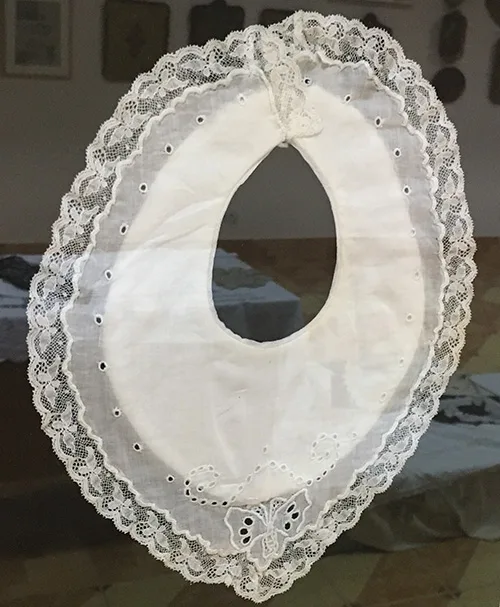
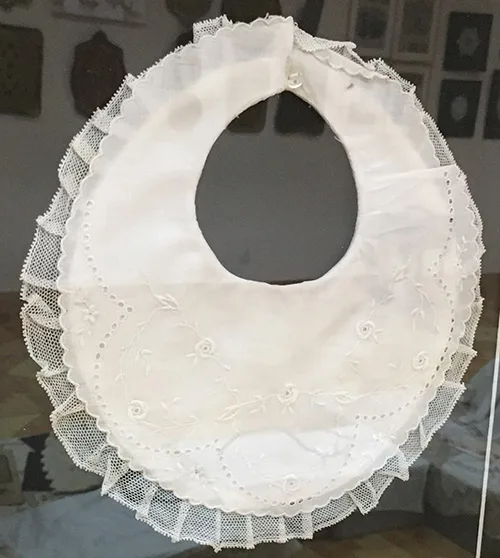
Vintage lace baby bibs from France, the beginning of the 20th century. They are handmade, hand-embroidered, and embellished with pretty lace. How adorable!
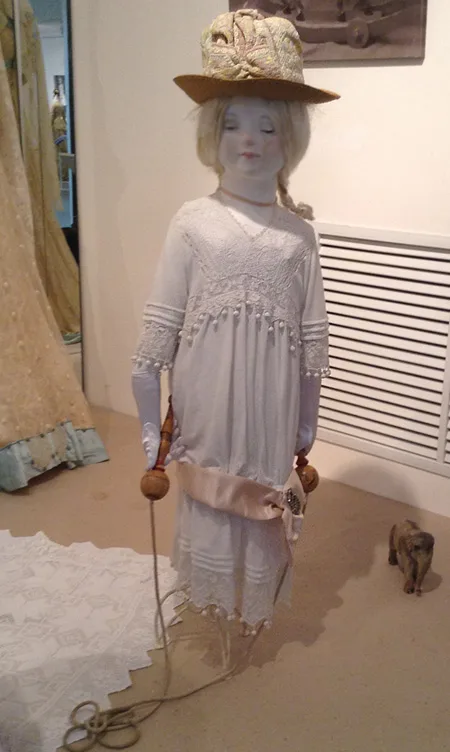
Little girl’s festive dress, Russia, 1907-1912. The outfit consists of white batiste dress with low waistline, hat, gloves, and decorative satin ribbon. The dress is embellished with embroidery, lace, and tiny pom-poms. The hat is made from cotton and adorned with handmade lace and a ribbon under the chin. The satin ribbon was designed to embellish the dress.