Every nation has its own traditional headgear. It shows the culture and traditions of the country, its nature and climate. There are so many different headdresses, some of them are usual and obvious for us, and others seem odd and unique. Let’s find out which headgear is used in definite country.
Sombrero – Mexico, Spain and Philippines. Cowboy hat – US, Mexico, Canada, Chile, Argentine. Keffiyeh or kufiya – Egypt, Turkey, Iraq, Jordan, Palestine, Saudi Arabia, Kuwait, Bahrain, Yemen, Oman.
Conical hat is used in plenty Asian countries: Bangladesh, Bhutan, China, Cambodia, India, Indonesia, Japan, Korea, Malaysia, Myanmar, Philippines, parts of Russian Manchuria and Vietnam.
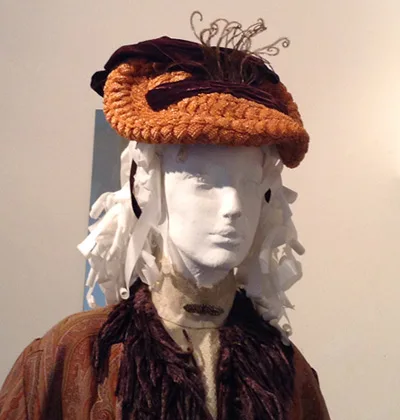
Female headdress of a noble woman, France, 1870. The hat is made from straw (but the pattern is intricate and cute) and decorated with velvet and feathers of the bird-of-paradise. The hat is tied to the head with two thin straps. Fashion15.jpg
Various female hats used in the 19th century in Europe
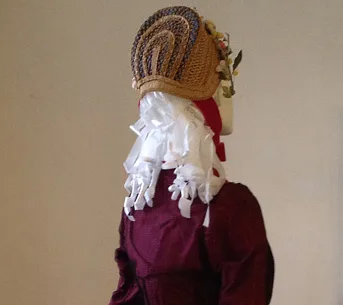
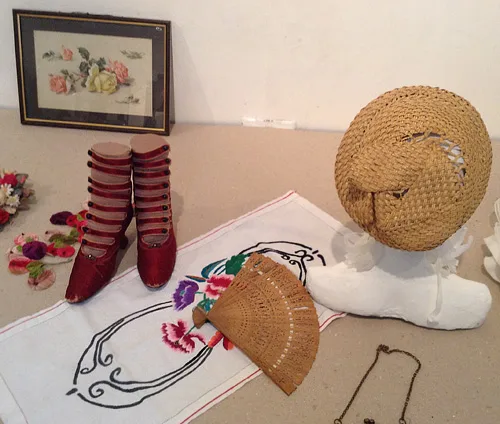
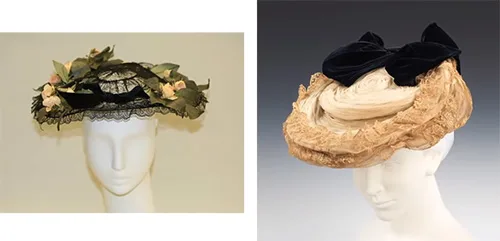
Women’s straw hat, 1860-1865. Its design is cute and weaving is intricate. It is decorated with artificial flowers. The hat is tied under the chin with two crimson ribbons
Hat1.jpg
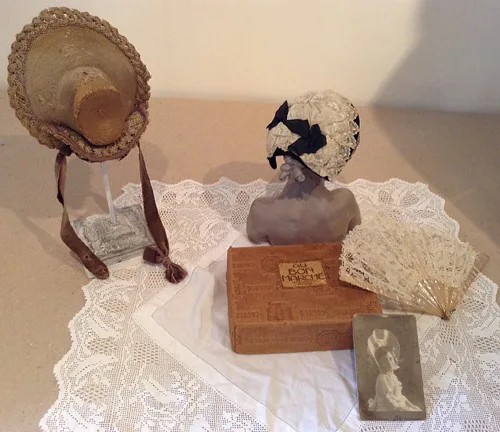
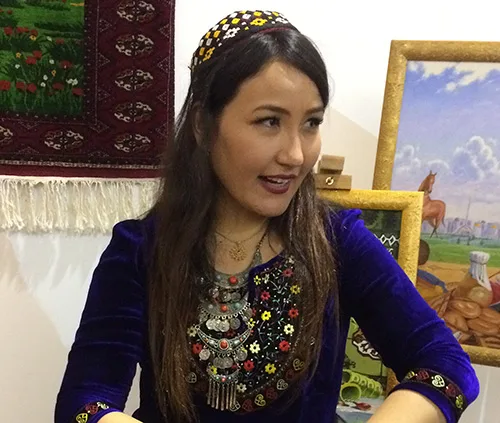
Women’s accessories: hat made from straw with ribbons to tie under the chin (France, 1810-1830); small hat made from fabric and decorated with ribbons and lace
Fashion101.jpg
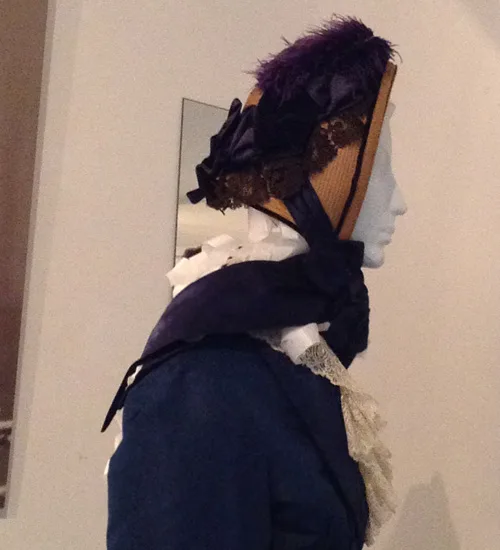
Female hat, Holland (the Netherlands), 1870-1875. The straw hat with ostrich feathers and lacy underside is tied under the chin with a long satin ribbon
Fashion6.jpg
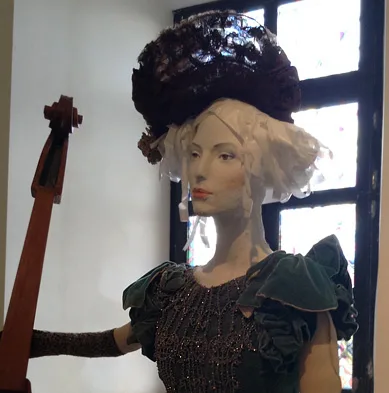
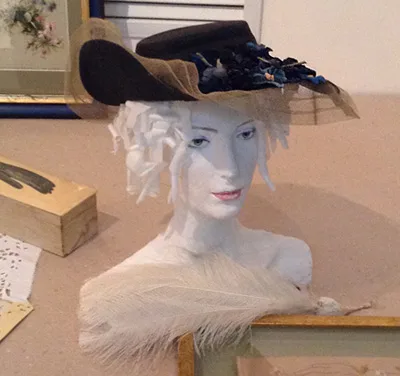
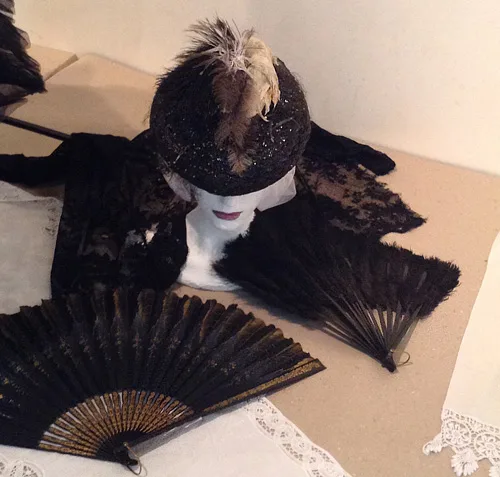
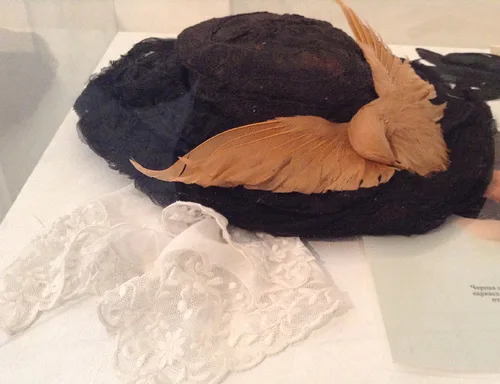
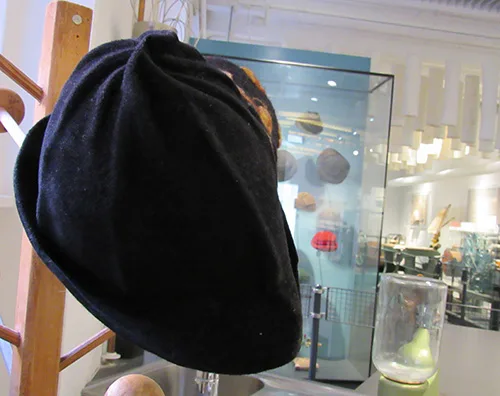
Women’s headdress, Russia (St. Petersburg), 1890-1895. The black hat is large, lacy, and intricate
Hat2.jpg
Nice hats but personally I don't like straw hats. Pillbox hats are much more exquisite and cute. The hats above look like they belonged to some old lady ;)
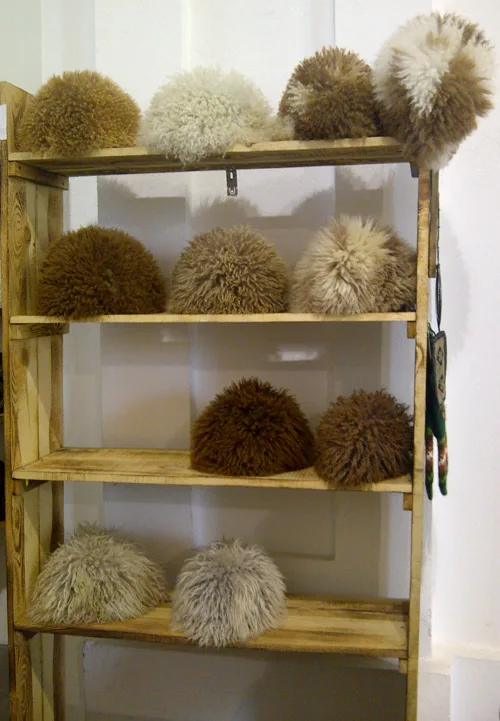
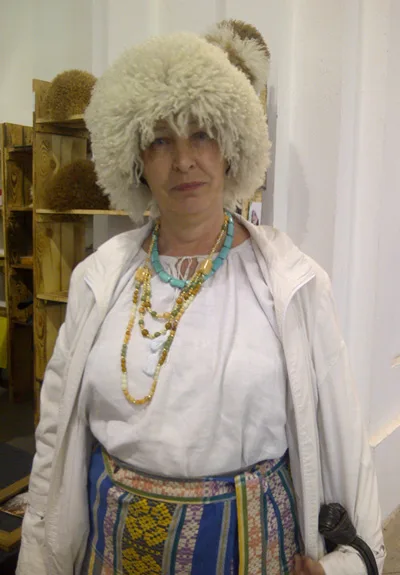
Traditional hats from Georgia called "papakha". They are made from sheepskin. They are used by both men and women during the cold season. These hats are also a part of Georgian folk costume, often worn by the folk dancers and singers hats.jpgpapakha.jpg
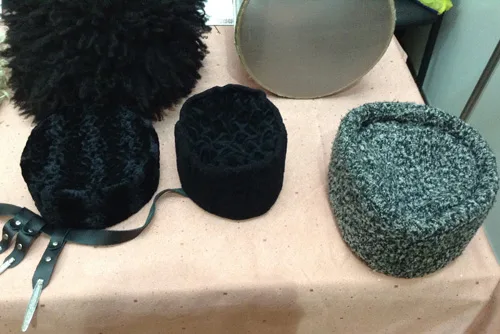
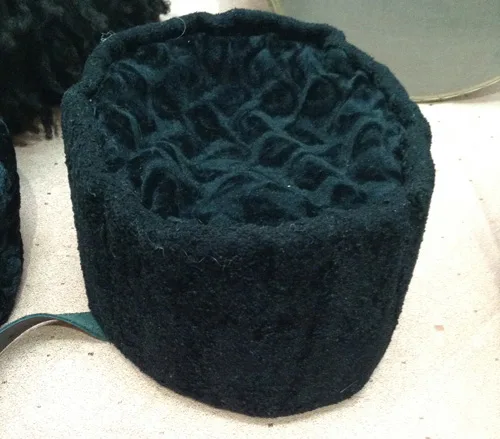
Vintage Azerbaijani papakha hats. These are male hats made from karakul and wool.
In Azerbaijan papakha used to be the most important men’s accessory. Men never took them off during the day (even during dinner). To steel one’s hat or just knock it down from one’s head was a great disrespect and insult. Azerbaijani males considered their papakha to be the symbol of courage and honor. Today, this tradition is almost forgotten but older people still remember and honor it. Azerbaijan3.jpgAzerbaijan4.jpgAzerbaijan5.jpg
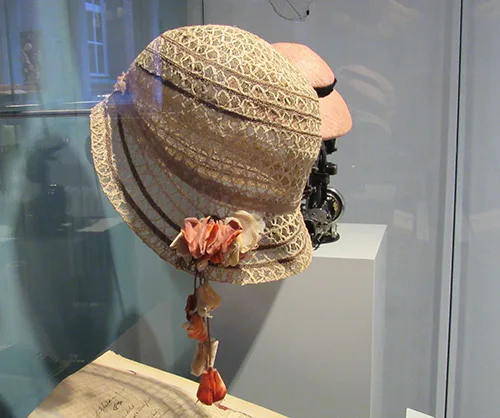
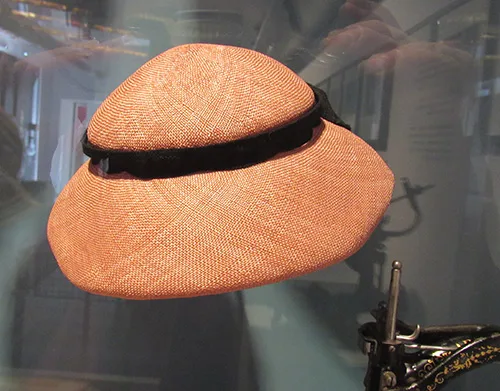
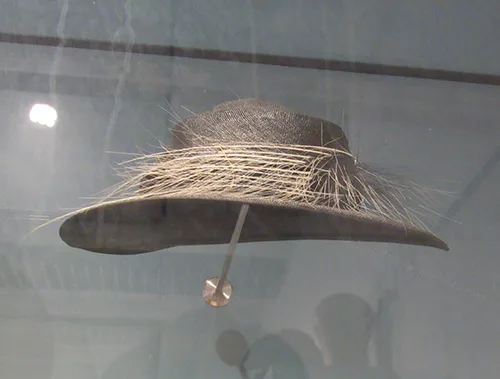
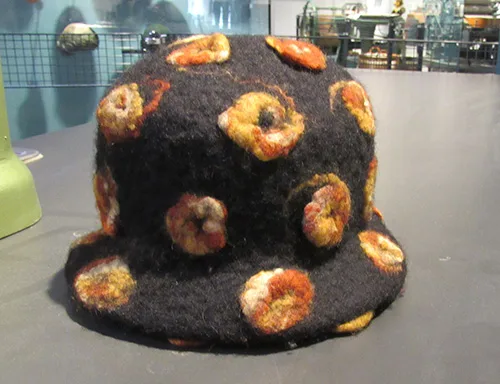
Various female hats used in the 20th century in Europe and US
Women’s hat, the end of the 19th – early beginning of the 20th century. The headdress is adorned with lace and artificial flowers
Fashion39.jpg
Female hat, US, 1900-1902. The hat is made from felt and embellished with large feathers
Fashion43.jpg
Women’s accessories, the beginning of the 20th century. The hat is decorated with feathers and sequins
Fashion48.jpg
Female accessories, the beginning of the 20th century. The hat is simple, made from straw, and doesn’t have any extra decorations
Fashion51.jpg
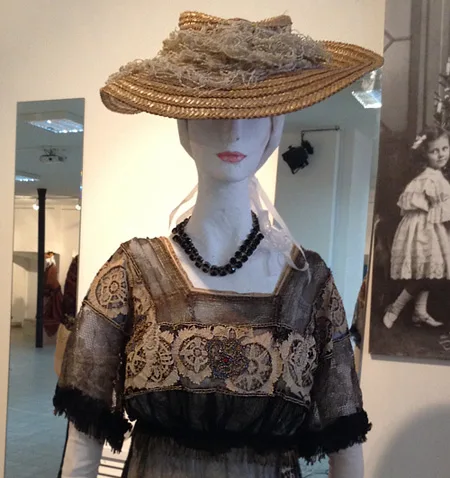
Women’s straw hat, 1911. The straw hat with wide brims has delicate beige decorations. It is tied to the head with thin ribbons
Fashion61.jpg
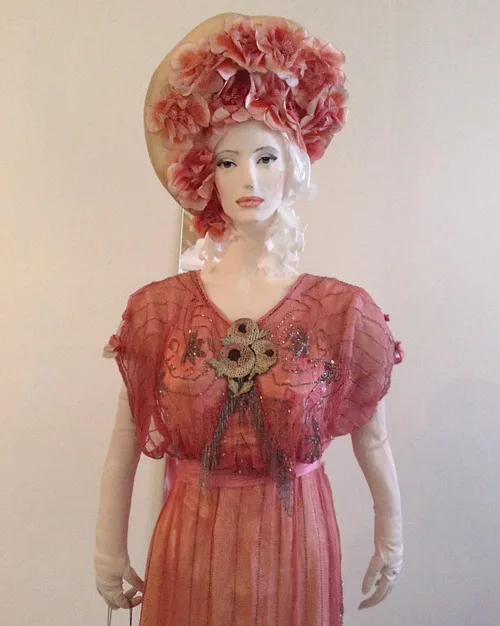
Large festive hat, Ukraine, 1910. The hat is wide-brimmed, embellished with artificial pink flowers
Fashion64.jpg
Female hat, Czechia, 1895-1900. The hat is made from black chiffon. It has a metal frame. The hat is decorated with a large stuffed bird
Fashion79.jpg
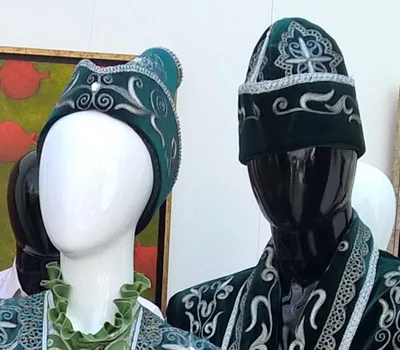
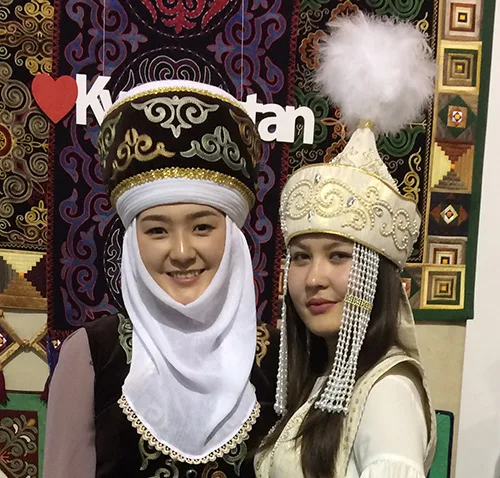
Traditional male (at the right) and female (at the left) headdress of Kazakhstan. It is called “kalpak”. These are summer kalpaks – they’re made from velvet and decorated with embroidery. kalpak.jpg
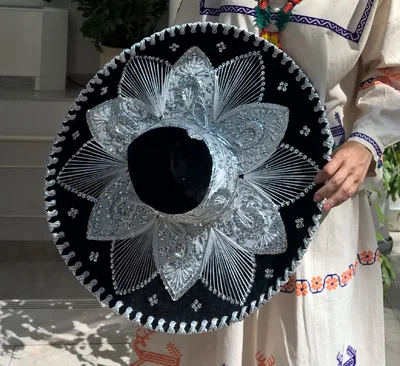
Traditional Mexican wide-brimmed hat called “sombrero”. It is actually rather heavy (to keep it from falling off on windy Mexican plains). And sure enough, a sombrero is beautifully embellished with embroidery and other decorations. sombrero.jpg
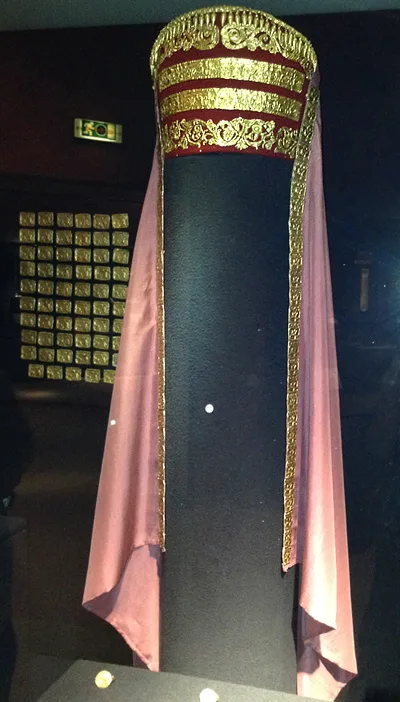
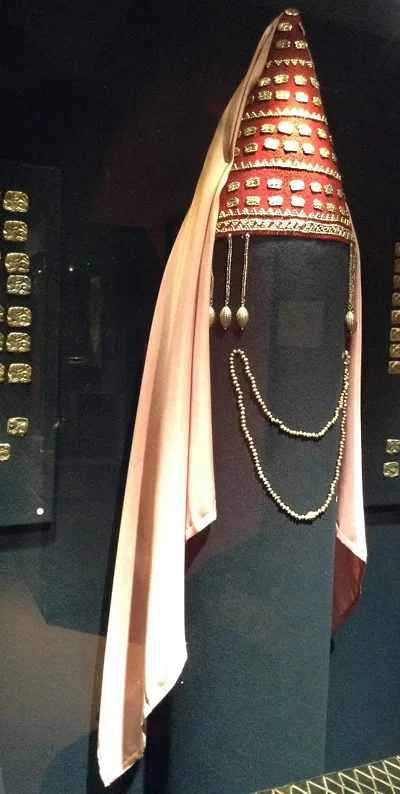
Scythian traditional female headdress decorated with solid gold. The headdress is a reconstruction, and gold decorations are archaeological artefacts. Scythia was a region of Central Eurasia, the lands north-east of Europe and the northern coast of the Black Sea. Appr. the 11th century BC – the 2nd century AD.
The headdress on the photo belongs to the 4th-5th century B.C. It was found on the territory of modern Ukraine. Scythian-headdress4.jpg
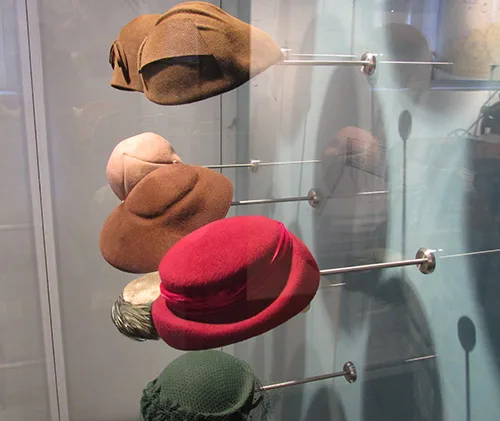
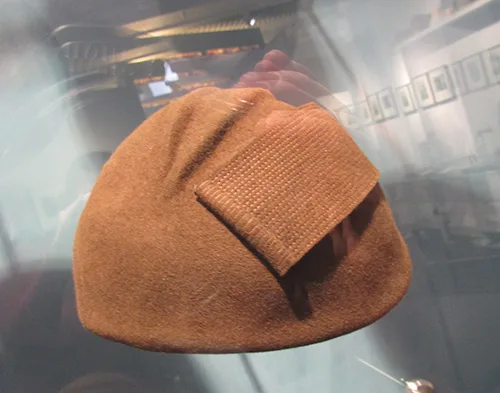
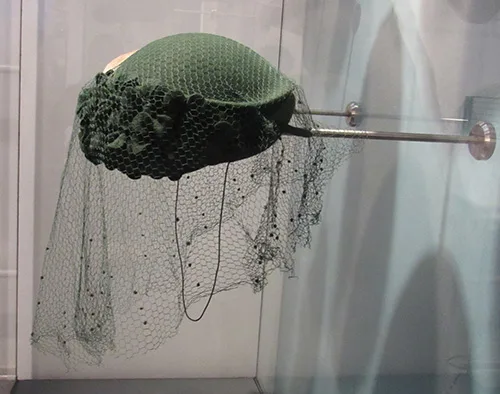
Headdresses in the European fashion of the 20th century. Vintage women’s felt hats and fabric hats from Europe Hats1.jpgHats2.jpgHats3.jpgHats4.jpgHats5.jpgHats6.jpgHats7.jpgHats8.jpg
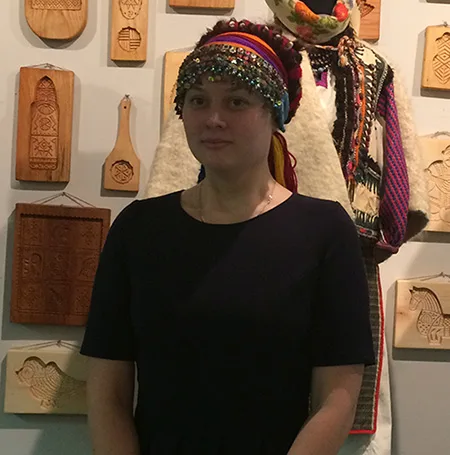
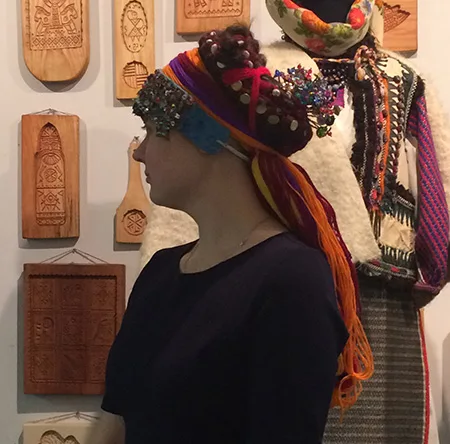
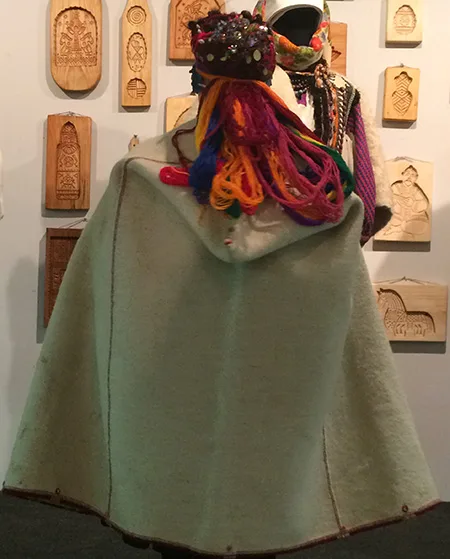
Female wedding hairdo and headgear from Hutsul region (Carpathian area of Ukraine). The headdress consists of many parts – it’s not a one-piece item. The sparkling beaded headband is called “chiltse”; it covers the forehead. Every row of colorful threads is applied separately. The long hair of a bride is braided in two braids and put around the top of the head. Red threads with small round metal disks are woven into the hair. A small bouquet of artificial flowers that bounce with every step also decorates the hairdo.
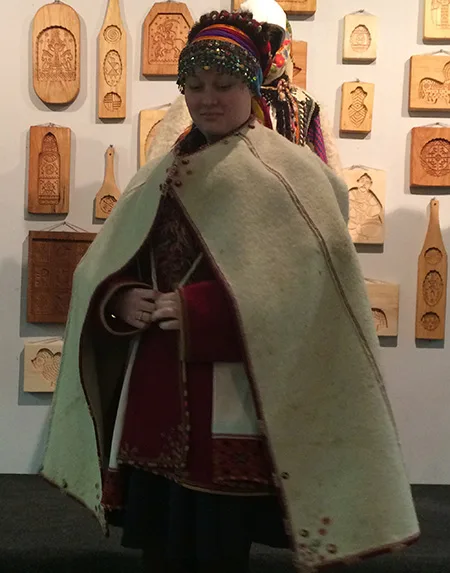
In the last two photos, you can see the bridal outerwear: a woolen coat called “serdak” (dyed burgundy and embellished with yarn pom-poms and embroidery) and an ancient Ukrainian woolen cloak with a hood (also adorned with some embroidery and tiny yarn pom-poms). Headdress1.jpgHeaddress2.jpgHeaddress3.jpgHeaddress4.jpg
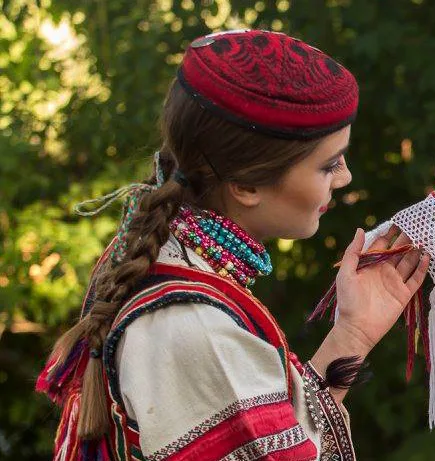
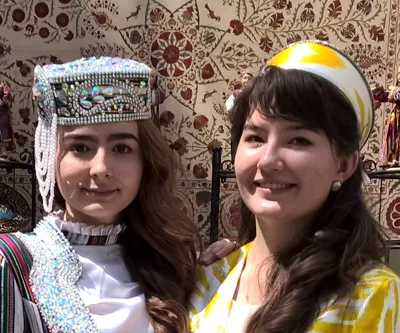
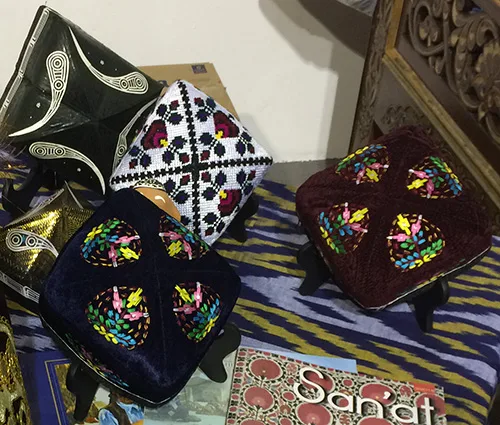
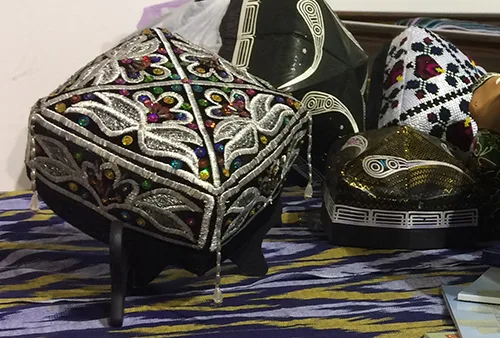
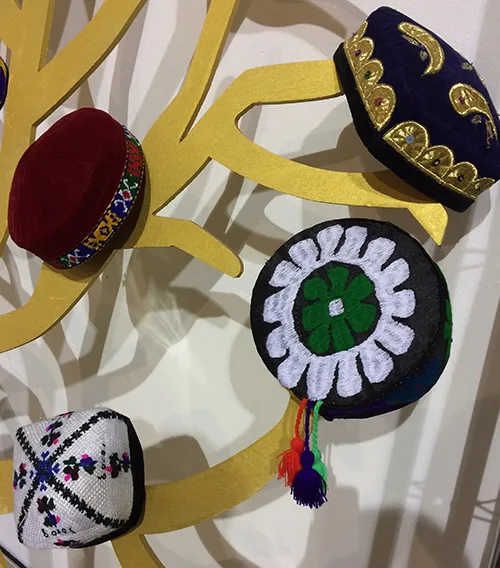
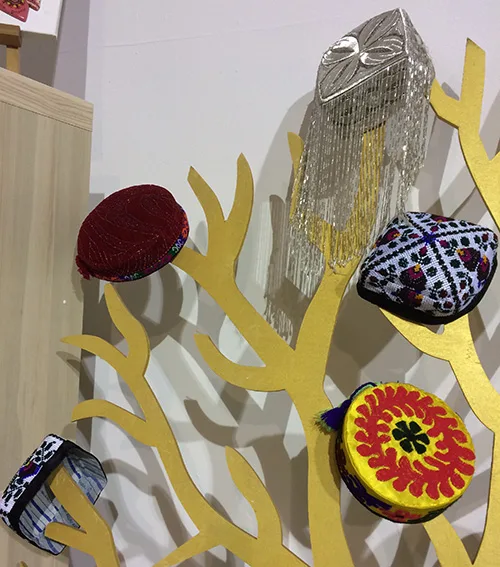
Traditional female headdresses of Uzbekistan. These skull-caps are called “tubeteika”. They are often ornate – embellished with embroidery, beading, sequins, and jewels. Traditionally, young girls wear 4 braids and put the headpiece on top. But modern females often wear their hair loose under the cap. tubeteika.jpg
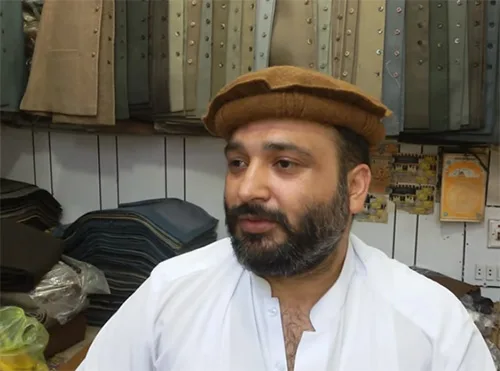
Pakol hat
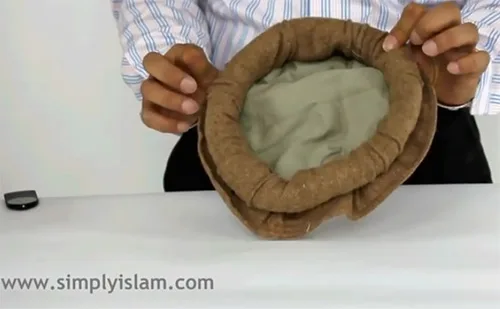
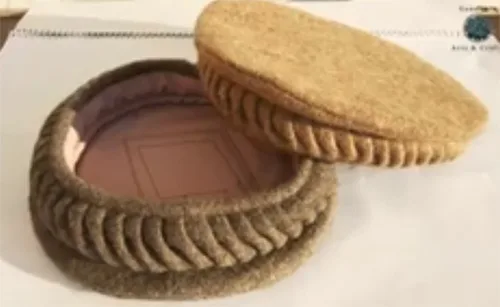
The pakol is the traditional men’s headwear in Northern Pakistan and Afghanistan. It is a woolen round-topped hat with rolled-up sides that form a thick band. The pakol is worn like a beret. A wearer can regulate and adjust the rolled-up sides to fit the weather, mood, or fashion. When the sides are rolled out, the hat resembles a cylinder about a foot or more long. Pakol8.jpgPakol1.jpgPakol2.jpgPakol9.jpg
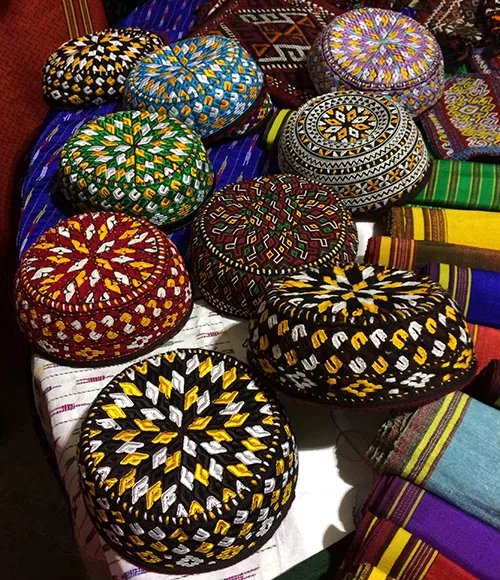
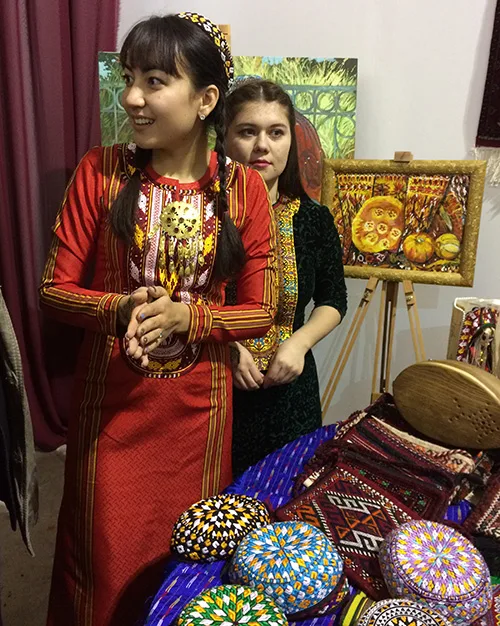
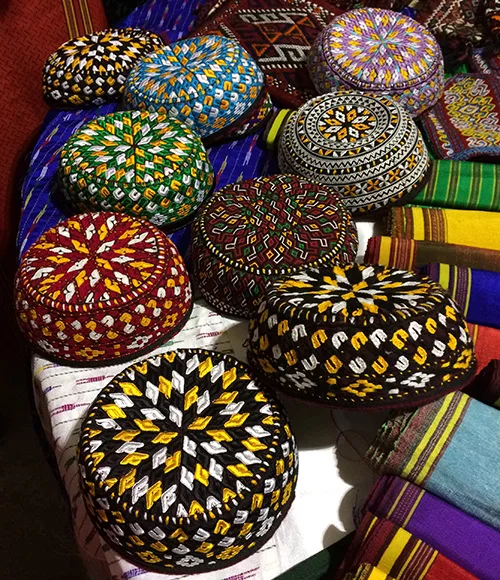
Turkmen tahya caps – beautiful and very colorful skull-caps. In Turkmenistan, there are tahyas for various occasions, ages, and regions of the country. Both men and women wear tahya; males often use it under the telpek.
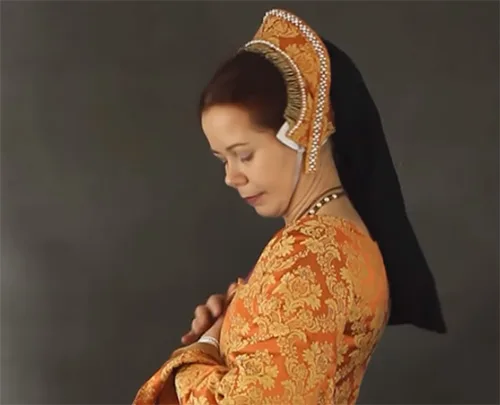
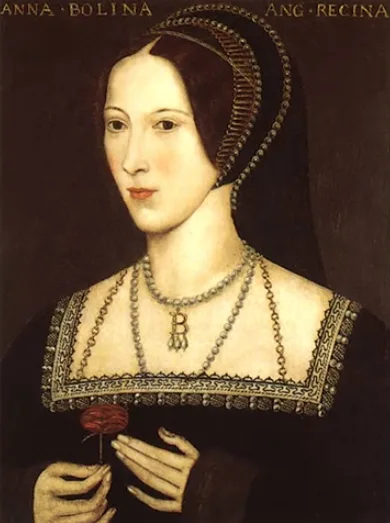
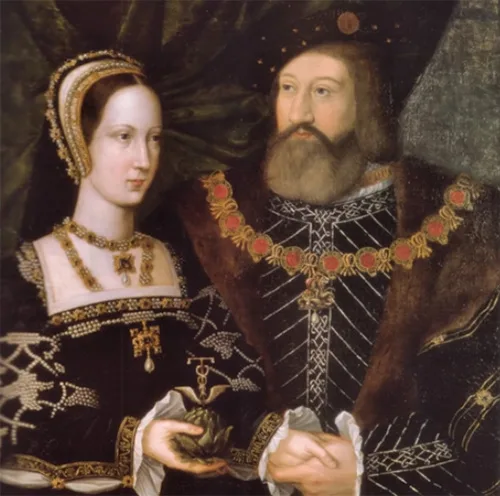
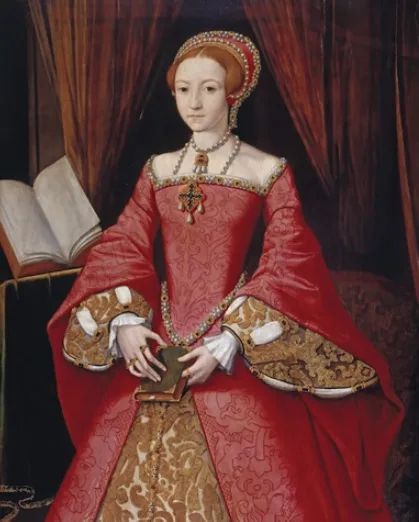
French hood – women’s headdress that was widespread in Europe in the 16th century. It is a stiff sort of headband of a rounded shape. The French hood also has a black veil attached to the back. It is worn over a coif. This one is a modern reconstruction.
Tudor-dress32.jpg
Also, here are several portraits of women in French hoods from the 1500s.
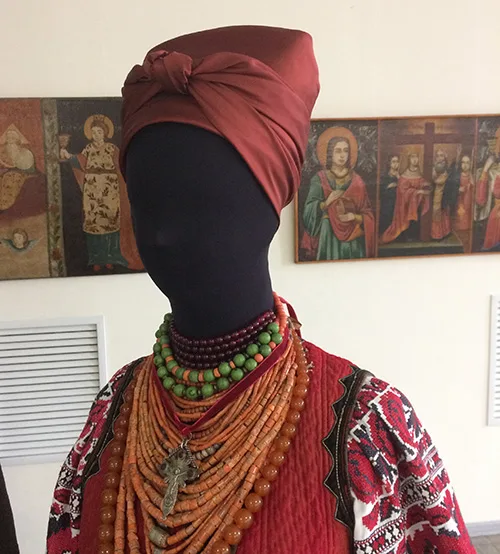
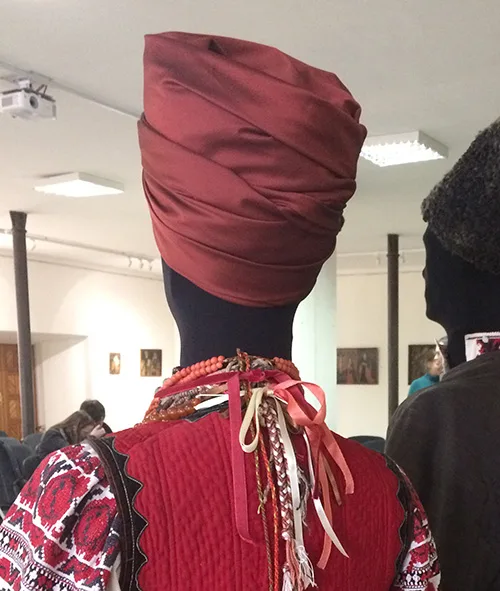
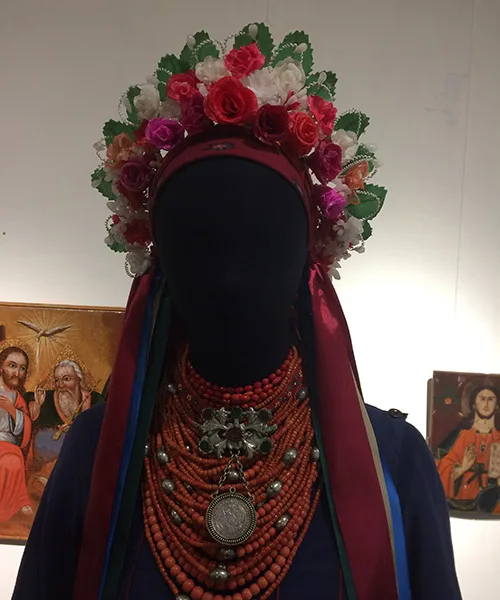
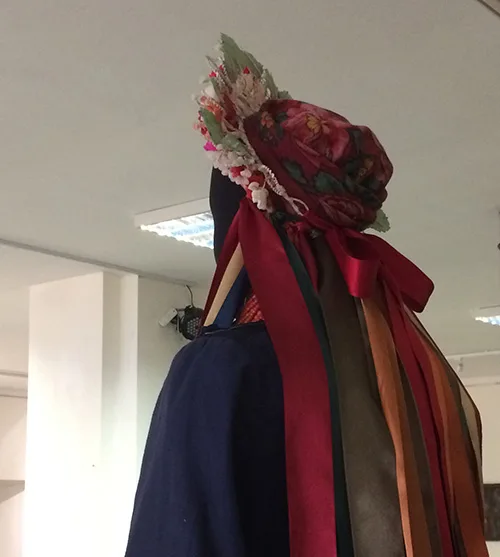
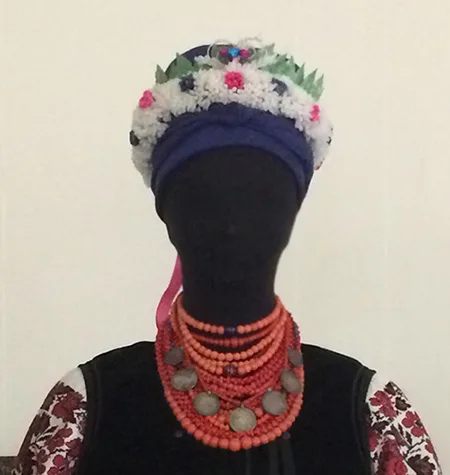
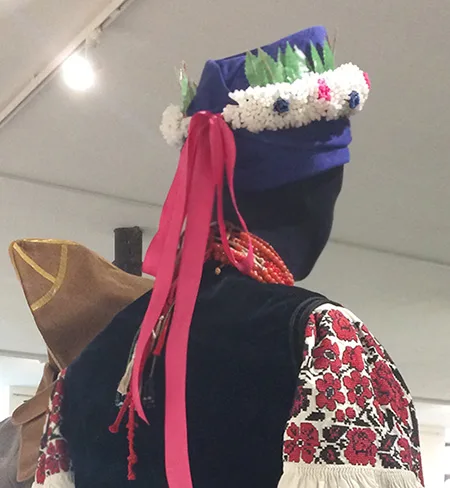
Ukrainian festive women’s headdresses. Central Ukraine, the beginning of the 20th century. The first one is a headwrap of a married woman. The second one is a bridal wreath worn on top of a kerchief. The third one is also a bridal wreath but a bit simpler than the previous headpiece.
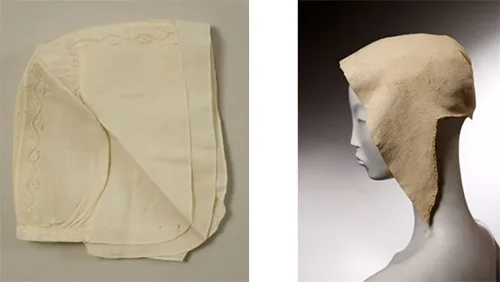
Female caps from the 18th century. The linen biggin on the left is British and from The Met in New York. Biggins were caps worn alone or as a foundation under another headdress. Although, children most often wore them alone. And on the right, from the V&A, is a cap made from crochet linen or wool.
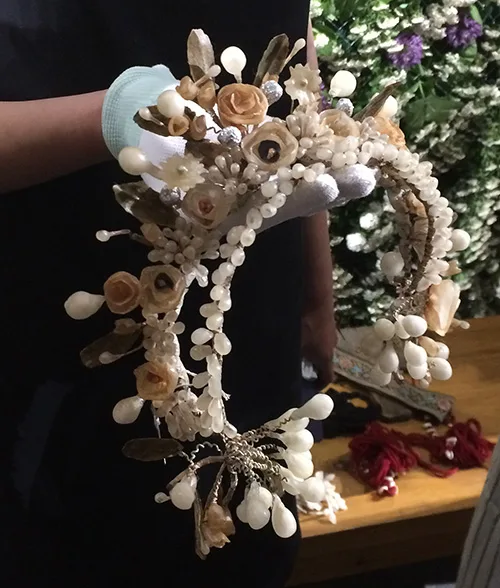
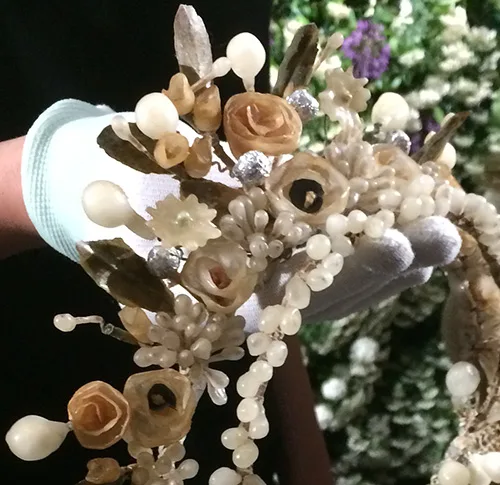
Delicate bridal wreath. The frame is made from wire; wax flowers and beads serve as adornments. Because of the wire, the elements move and the headpiece appears to shimmer and flutter.
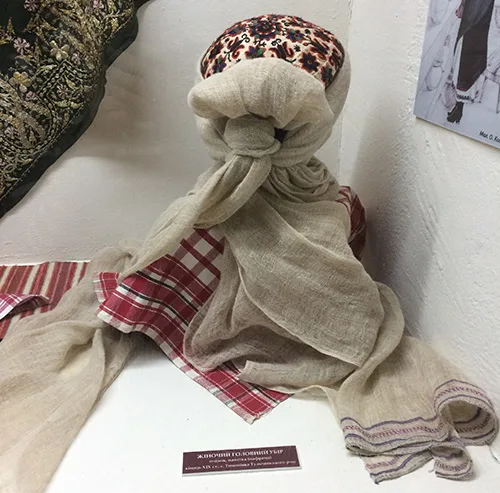
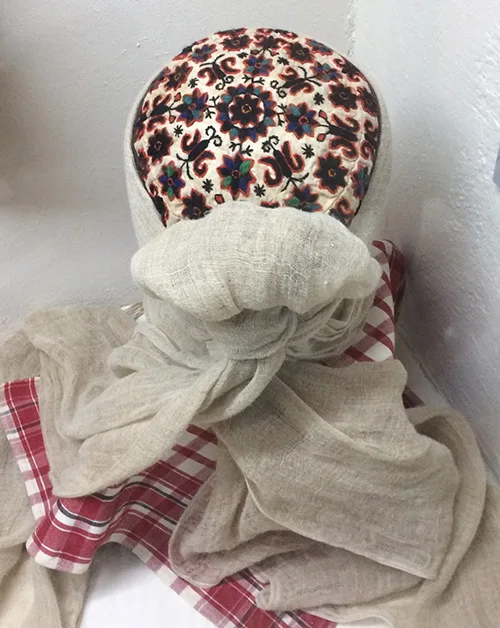
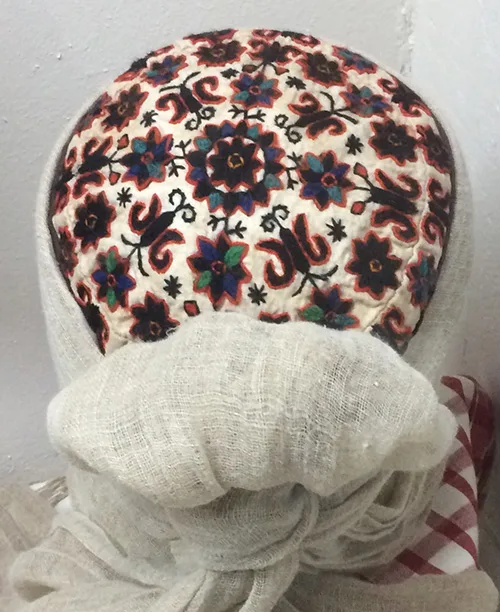
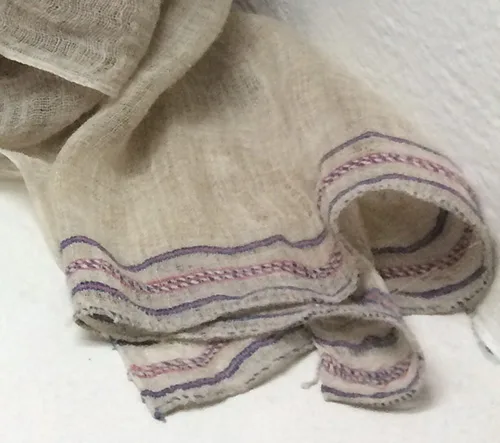
Very pretty female headdress from Tulchyn district, Vinnytsia region of Ukraine, the end of the 19th century. The set consists of a coif called “ochipok” and a rectangular piece of cloth called “namitka” wrapped around the head. You can see beautiful embroidery on the top part of the ochipok. And the namitka is made from very thin and delicate handmade fabric; it also has a decorative border woven into the cloth.
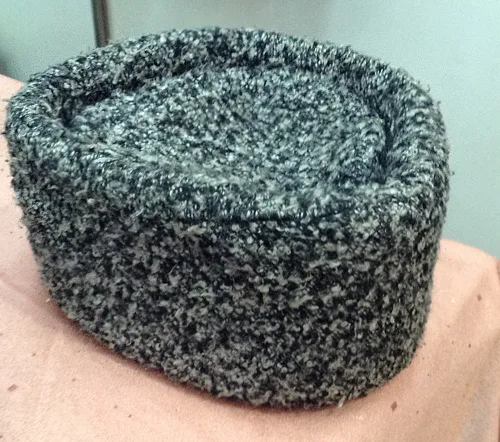
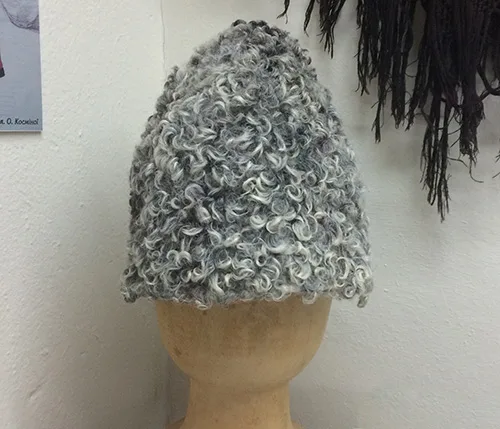
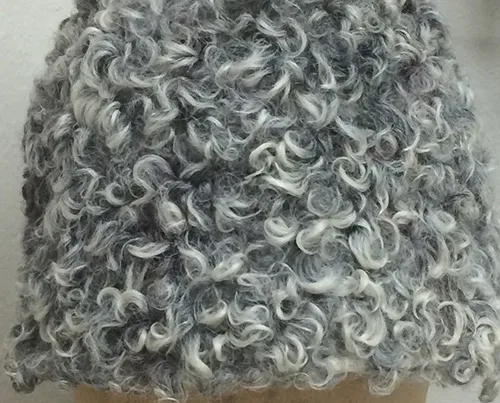
Traditional male karakul hat from Ukraine. It is gray, which was estimated more than common black ones. Such gray karakul hats were usually worn by young men and grooms, older males used black hats. Today, Ukrainian men don’t use them anymore.
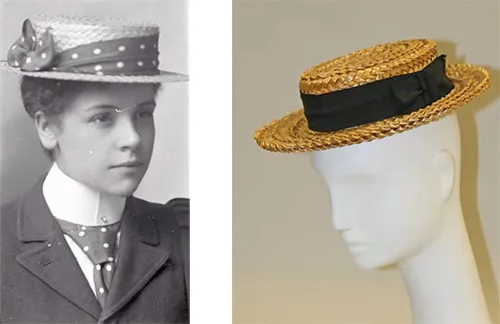
Lady’s sailor hats from late 19th – early 20th century from the Metropolitan Museum of Art. The straw boater on the right is made from straw, with a silk band, and dates 1890-1900.
Exquisite late 19th – early 20th century women’s hats. On the left, we can see a French hat from 1902 made of cotton and silk. And on the right, there is a French hat circa 1898 made from silk metal rhinestones. Both of these hats are from an exhibit at The Met.
Tahja – traditional skull-cap in Turkmenistan. Tahja caps are bright and cheerful. Female headdresses are always adorned with embroidery, and these patterns haven’t changed much since centuries ago.
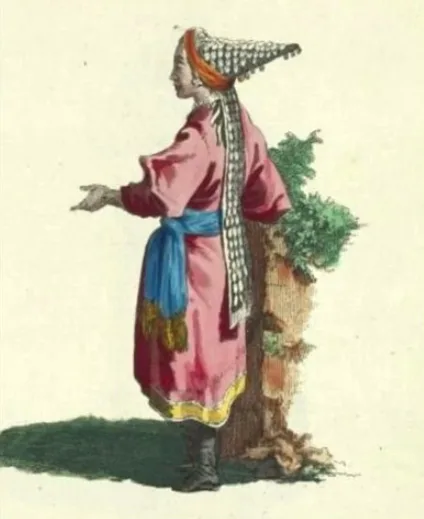
Tatar folk headdress called “tahja burek”, female conical hat adorned with gold and silver coins. They were popular in the 17th – mid-19th century in Tatarstan. Some of them were soft, with lots of coins sewn to the fabric. Others had a hard frame covered with silk, were shaped like a high cone, and embellished with coins, pearls, coral beads, and a gold peak.
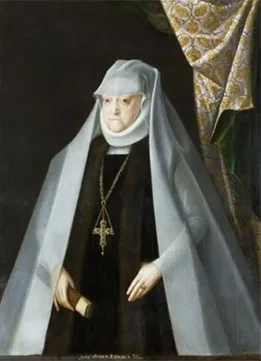
Wimple – headdress for married women. Here’s a portrait of Queen Anna of Poland from about 1590 by Polish artist Martin Kober. She’s also wearing a wimple.
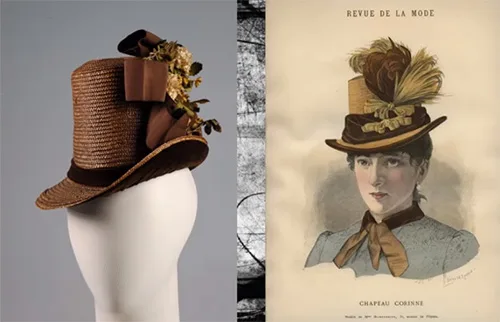
Straw hat on the left is from The Metropolitan Museum of Art. It dates between 1884-86. And on the right, is a beautiful illustration of a Victorian hat from a French magazine.
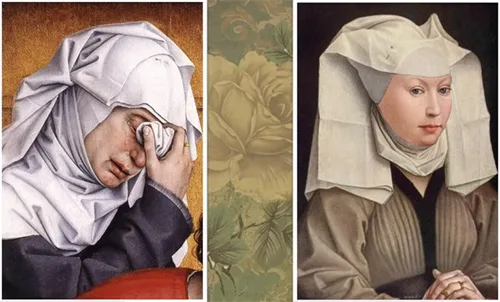
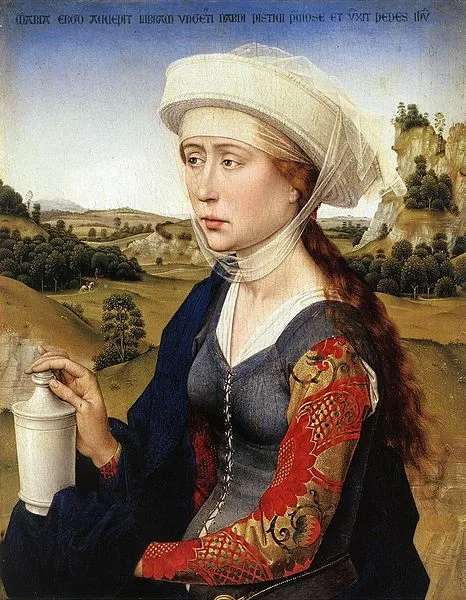
Two examples of veil and wimple, depicted in detail in two paintings by Dutch artist Rogier van der Weyden. The oil on oakwood painting on the left is a section taken from the “Deposition” from circa 1435. And the painted portrait on oak on the right, meanwhile, titled “Portrait of a Woman” is from circa 1440.
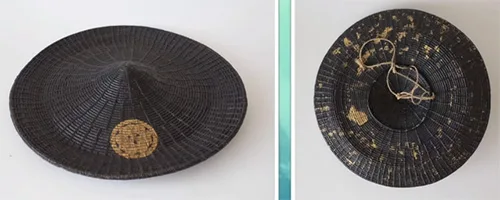
Nice example of 19th-century black lacquered jingasa (Japanese traditional hat) on the left. It's in really excellent condition. On the right, Ichimon jingasa that was primarily worn to protect from sun and rain.
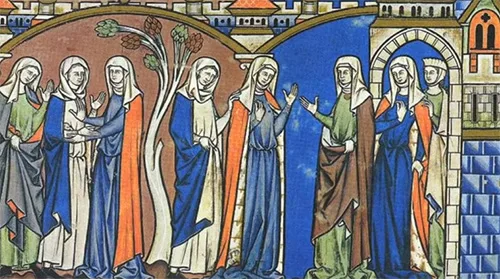
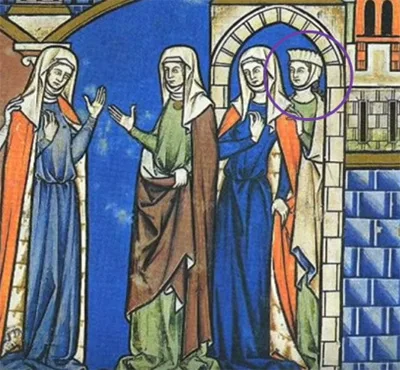
Medieval headdresses in a painting from the Morgan Bible. The book depicts customs of 13th-century France, depicted from a Christian perspective. Most of the women are wearing the veil and wimple, but one woman, we can see the fillet and barbette.
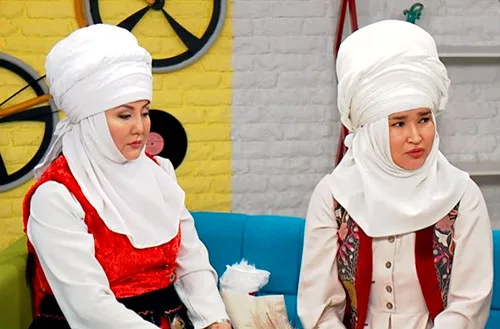
Pure white headwear of Kyrgyz women. It is called “elechek”. Many meters of fabric are wound around the head to create this unusual wimple-like headdress.
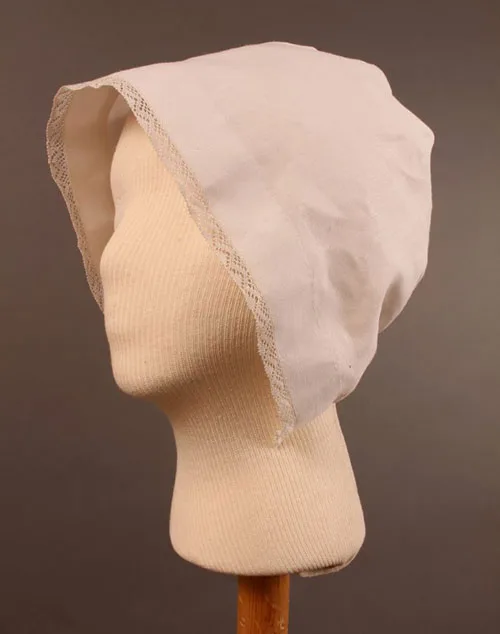
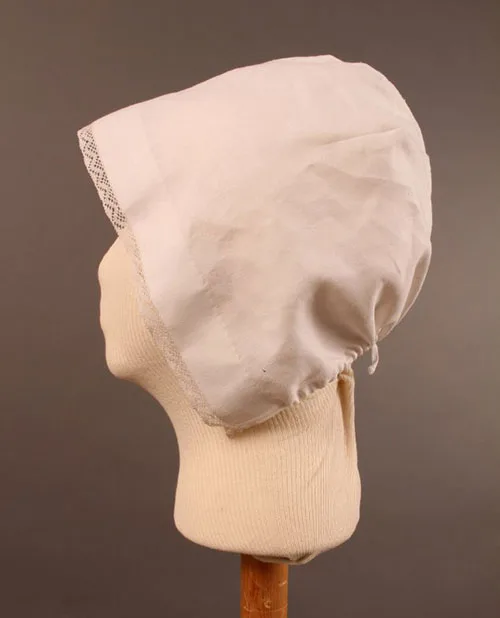
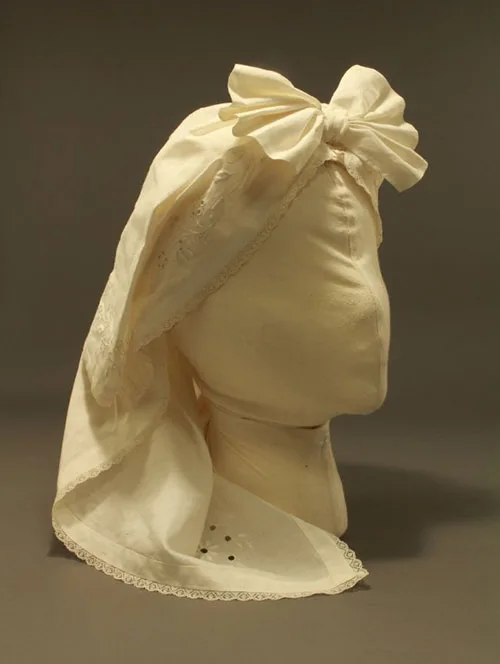
Swedish traditional headdress. White linen bonnet called “hätta” with handmade bobbin lace trim around the face and gathering at the nape. From The American Swedish Institute.
Cute Swedish white bonnet called “huvudbonad” with lace, embroidery, and a bow in the front. Beautiful vintage piece from The American Swedish Institute.
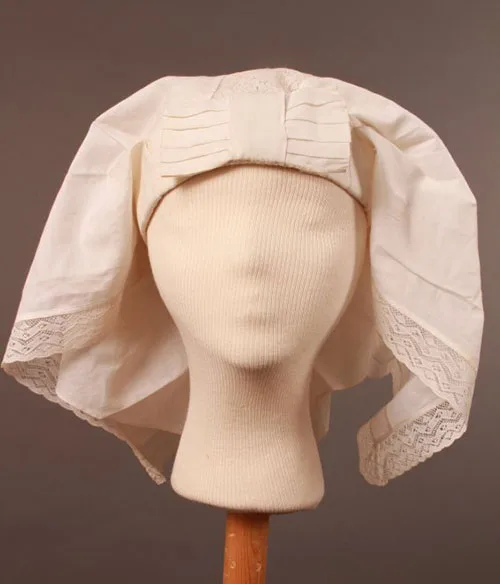
Swedish folk headdress – white cotton bonnet called “huvudbonad” with a stiff wide headband. It has a bobbin lace panel and a pleated bow in the front.
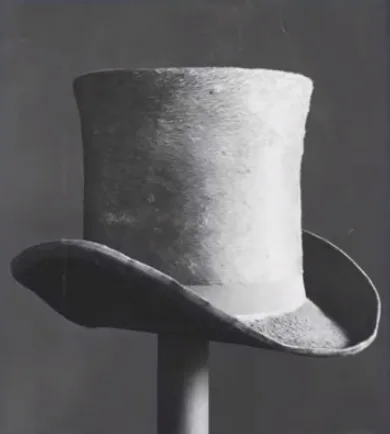
White beaver man's top hat with grosgrain ribbon trim. It's from The V&A and is made between 1830 to 1840 and labeled “Made in London”. This hat is 7.5 inches (19 cm) tall.
The V&A states that most top hats were initially made from beaver felt, and so this example from the 1930s is fairly typical of its time.
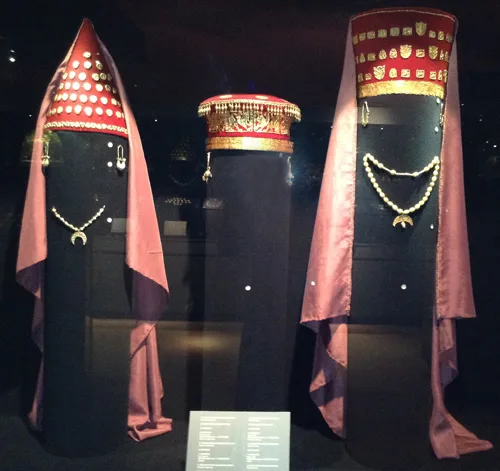
Modern reconstructions of Scythian traditional headdresses worn by queens and noblewomen in the 5th-4th century B.C. The headpieces are replicas, while the jewelry items and gold plates are archaeological artefacts. From the left: the 4th century B.C., the 5th century B.C., and the 4th century B.C. The headgears are made from fabric on hard frames and decorated with plenty of gold; jewelry items (necklaces and earrings) are made from solid gold. Scythian-headdress1.jpg
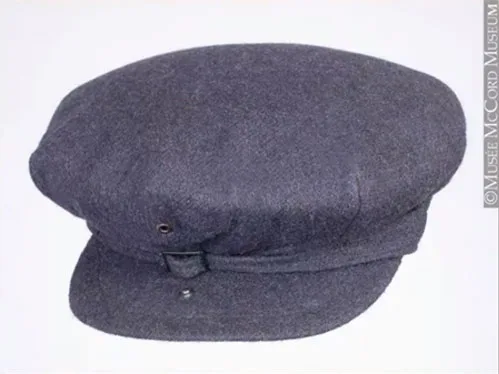
Cute period accessory – the newsboy cap, 1900-1925. According to The McCord Museum, “This is the type of hat often worn by newsboys. It had the advantage of being light and warm. Many models had retractable earflaps that offered additional warmth in long winter nights”.
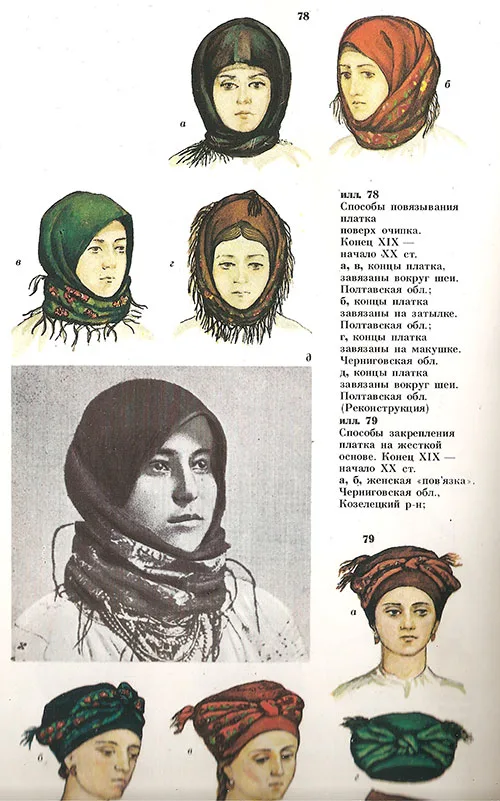
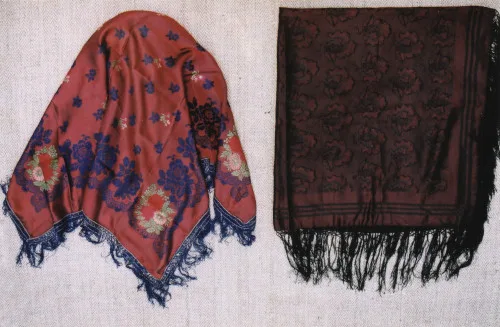
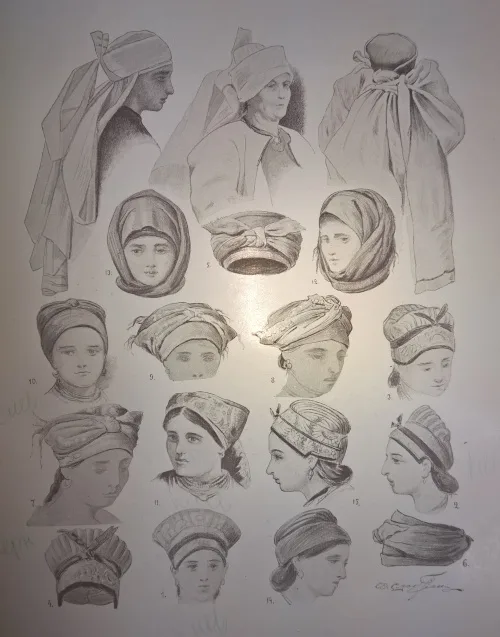
A few different ways of draping a kerchief – traditional headdress of married women in Ukraine and some other Slavic countries. These designs were used in the late 19th – early 20th century. The draping usually varied according to the region or sometimes taste and age of the woman.
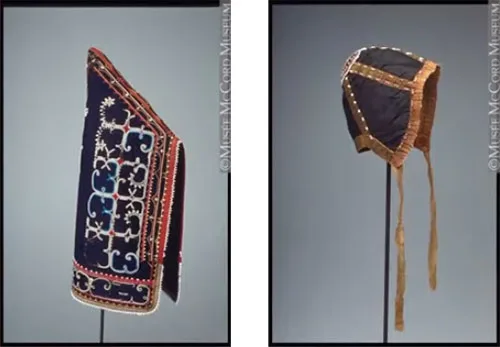
Mi’kmaq (aboriginal ethnic group of Canada) headdresses – Mi’kmaq peaked cap, 1845-1855, and Mi’kmaq cap, 1900-1910. Both photos are from The McCord Museum. Lovely ornate headpieces!
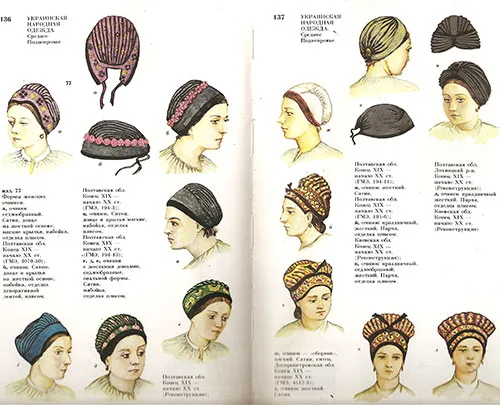
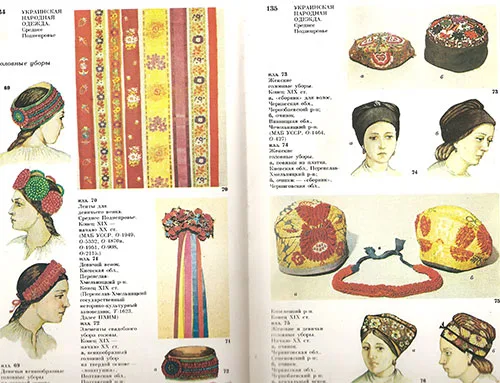
Ukrainian traditional headdresses, the 19th – early 20th century. On the left, you can see maiden’s headwear – various ribbons, wreaths, etc. On the right, are married women’s headpieces – coifs which were worn either as a separate piece or underneath a kerchief or wimple.
Scythian traditional headdress of a royal woman and her jewelry, the 5th-4th century B.C. The headdress is a reconstruction, and gold decorations are archaeological finds from the territory of modern Ukraine.
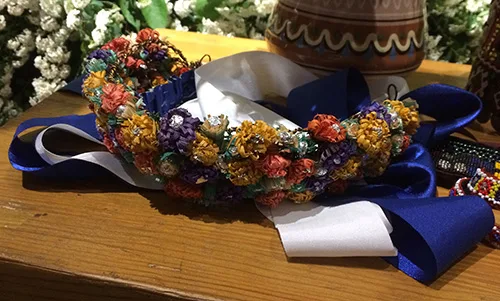
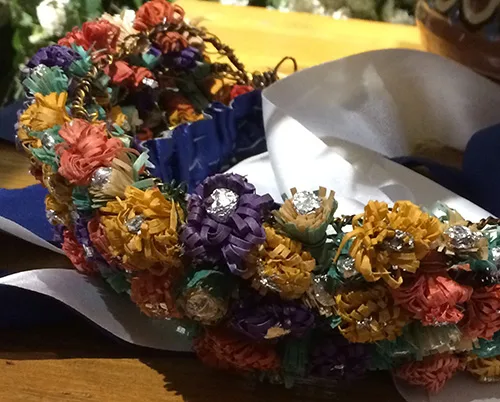
One-of-a-kind wedding wreath from Ukraine. It is made from dyed wooden shavings and foil; the frame is of wire. The wooden shavings are arranged into cute flower shapes – wonderful idea for eco-friendly accessories (as there was no plastic available for villagers in the 19th century). This particular wreath is a modern replica of authentic headdress used in Ukraine in the 19th – early 20th century.
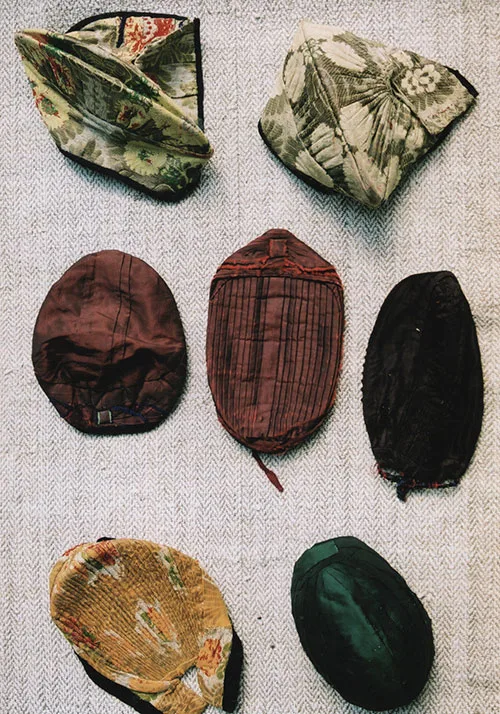
Several variations of Ukrainian traditional coif called “ochipok” for married women, the late 19th – early 20th century. Usually, these coifs were worn under a kerchief or wimple, but some part of them were visible – that’s why they’re rather decorative. These are made from silk or brocade fabric.
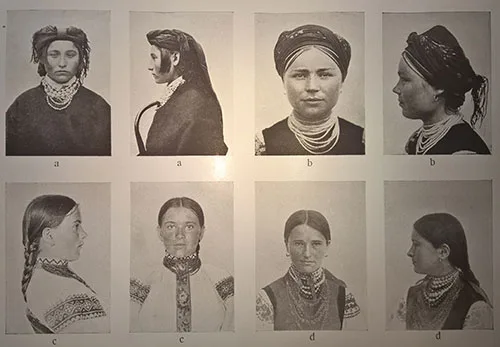
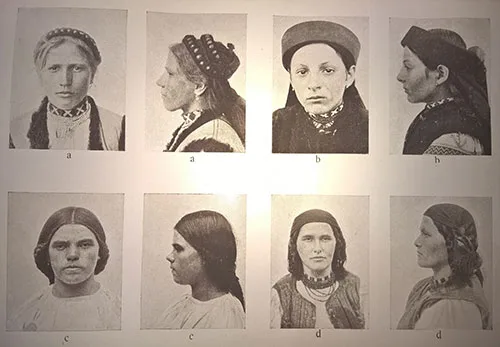
Various hairstyles and headdresses of Ukrainian women, the first half of the 20th century. These women are from different regions of Ukraine, some are married and some aren’t (according to their headwear). Unfortunately, the photos are black&white, so you can’t see the colors. It’s interesting to compare the facial structure of these ladies as well.
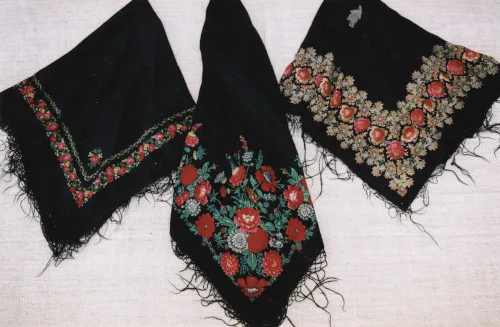
Ukrainian traditional female headwear – namitka, ochipok, and kerchief. Various designs were used in different regions and by different women. Married women never wore their hair loose, always covering it with some kind of a headdress.
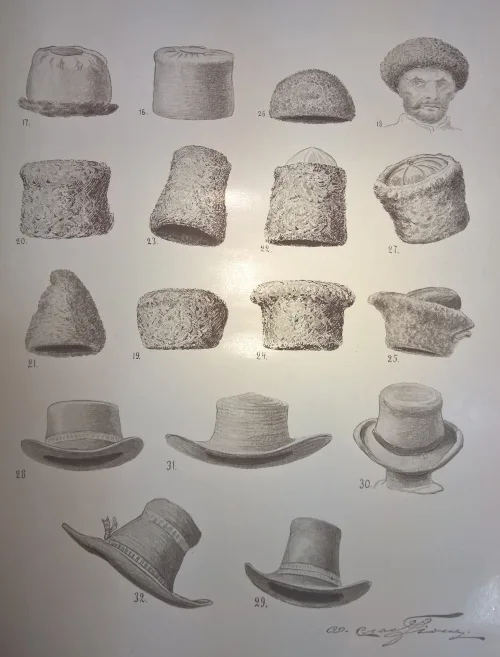
Ukrainian men’s folk headwear. A variety of hats was used by Ukrainian villagers and city dwellers in the last several centuries. Here are some of these headdresses.