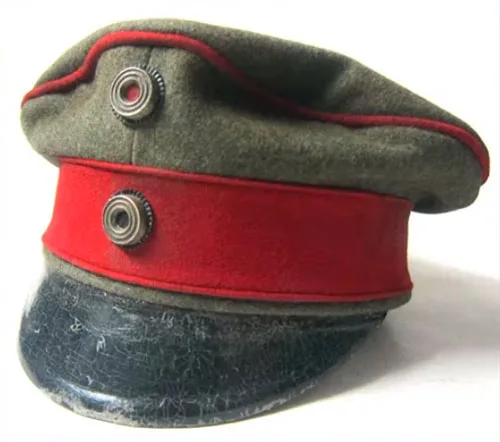
Military uniform headpiece. Nice example of a World War I reproduction field cap aged by Warhats.com. The small button-type cockades were worn at the front of kepis and peaked caps.
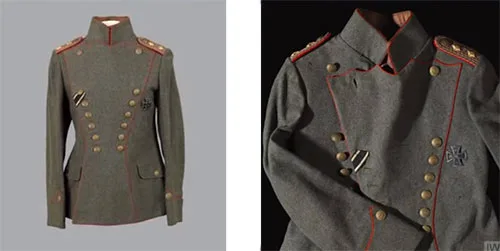
Historical military uniform. Uhlan or light cavalry uniform of the Imperial German army (the name given to the combined land and air forces of the German Empire of World War I). This is a tunic, 1910 Ulanka from the Imperial War Museum in London.
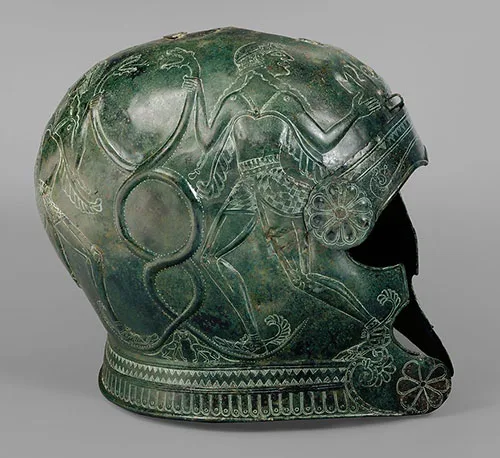
Greek bronze helmet, the late 7th century B.C. The image on this armor piece shows 2 winged men with two entwined snakes. They are probably creatures of the local, Cretan, folklore. From The Met Museum
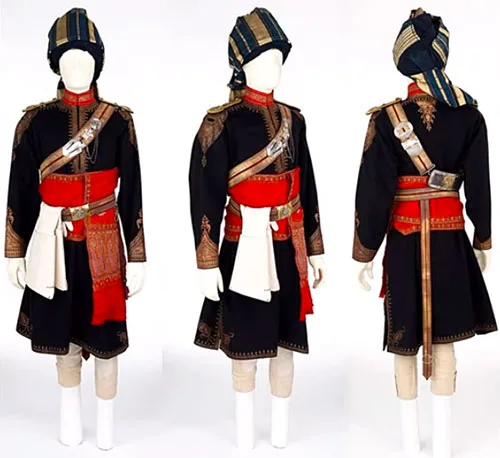
British uniform from 1913. The officers of the irregular cavalry wore loose-fitting Indian dress rather than the European uniforms of the regular cavalry. Charming uniform!
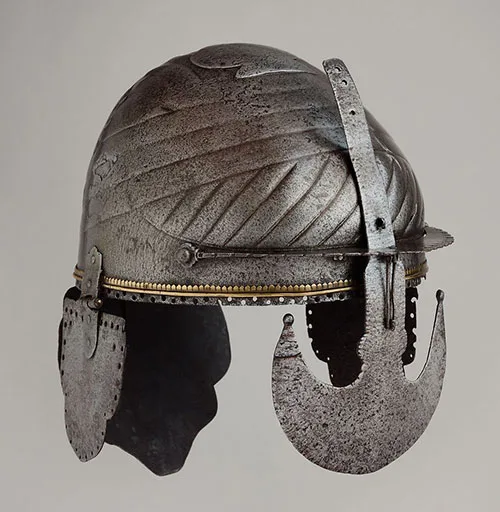
Lovely Indian helmet from the 17th century, beautiful warrior armor. The shape reminds you of a traditional Indian turban. This helmet has an intricate nose-guard and protection for the sides and back of the head.
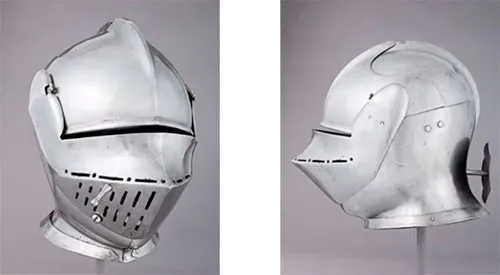
16Th-century warrior armor. Belgian helmet from about 1575. The style was inspired by French helmets. But this particular armor was produced in Belgium and is signed by the armorer. It is so artful. From The Met Museum.
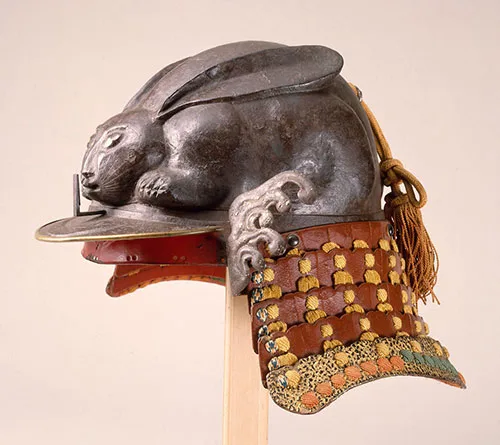
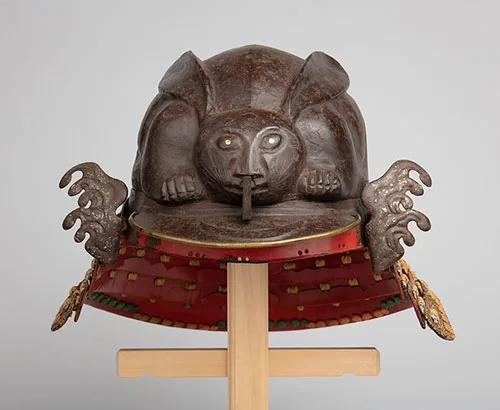
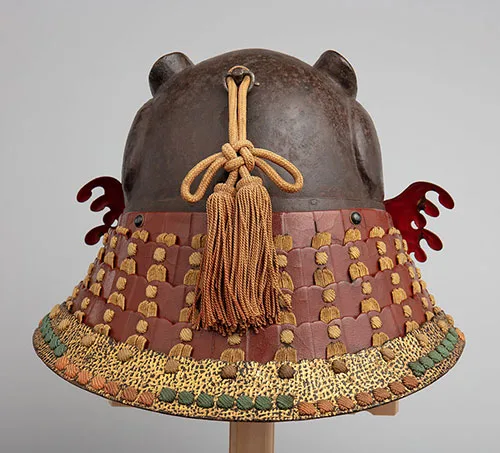
Unique Japanese helmet, the 17th century. This kawari-kabuto helmet depicts a crouching rabbit, and it probably belonged to some Japanese samurai. The item is made from iron, embellished with gold and silver, and the inside part and tail are made from leather and silk.
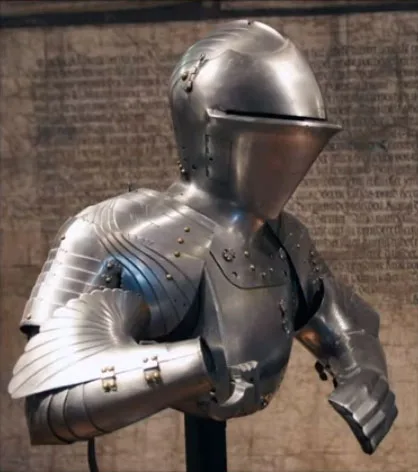
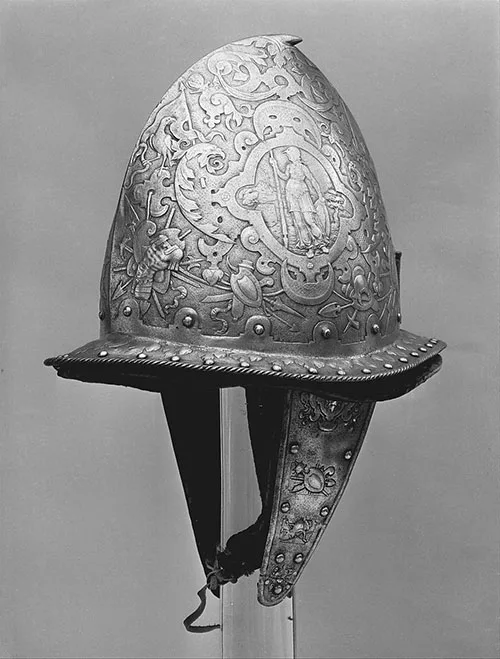
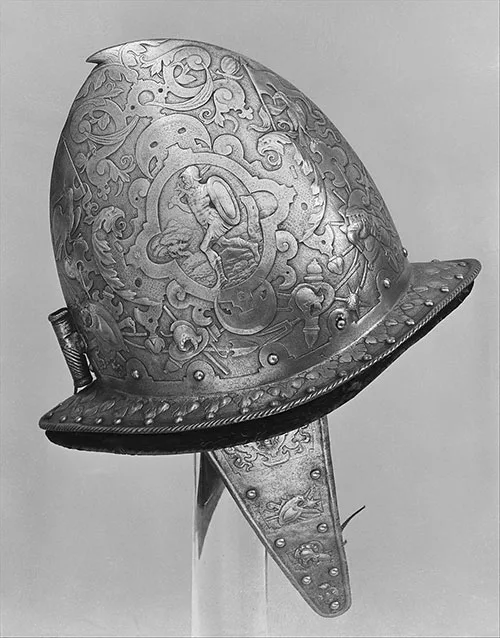
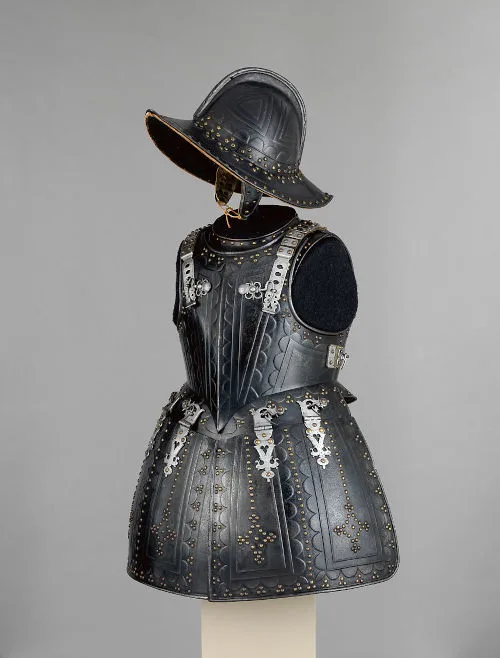
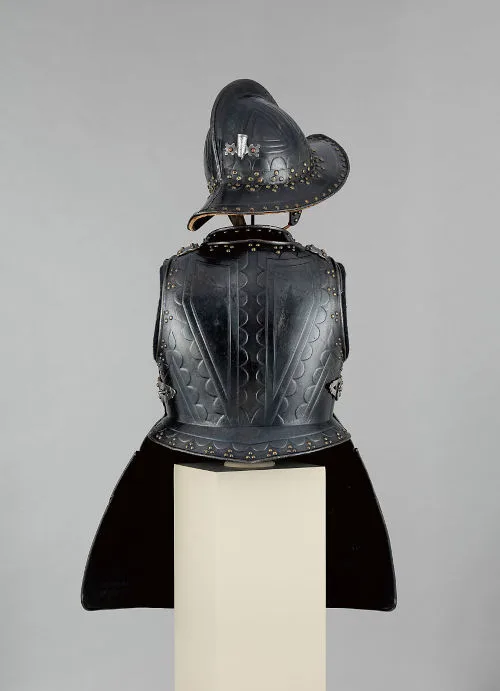
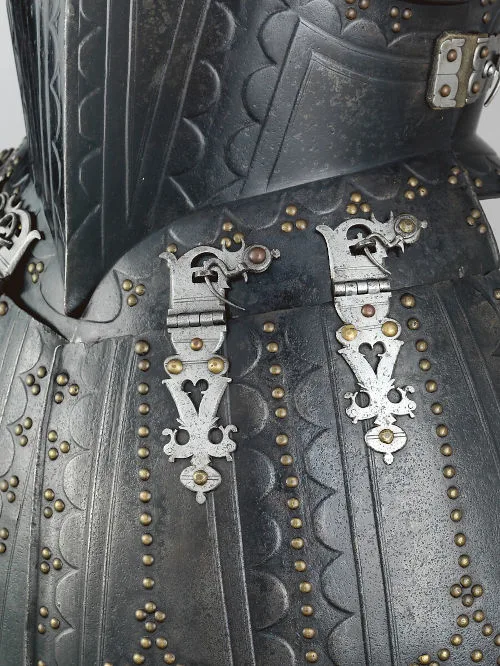
British pikeman’s armor, probably Greenwich or London, around 1620-1630. The quality of this armor suggests that it was worn by an officer and it may be a late product of the royal armor workshops. But to tell you the truth, it reminds me of some kid’s carnival costume – adorable armor!