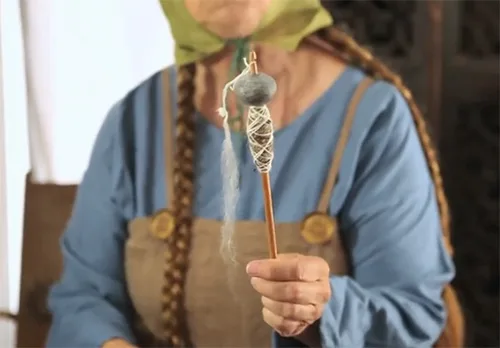
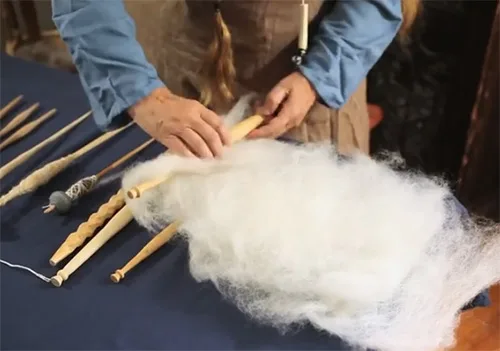
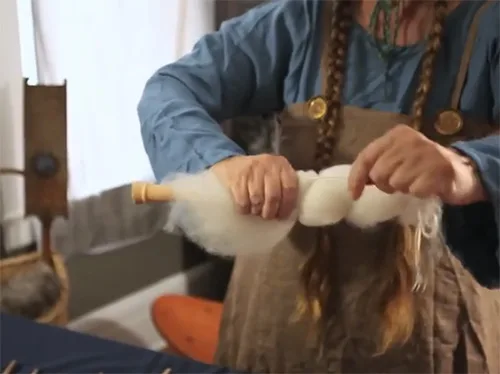
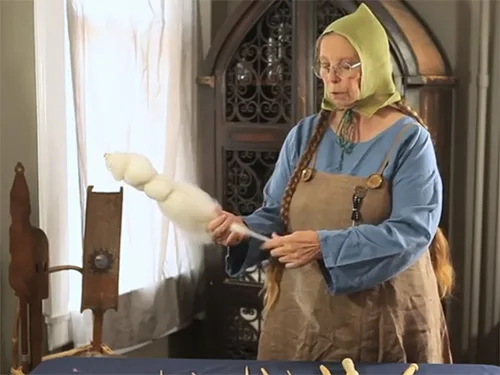
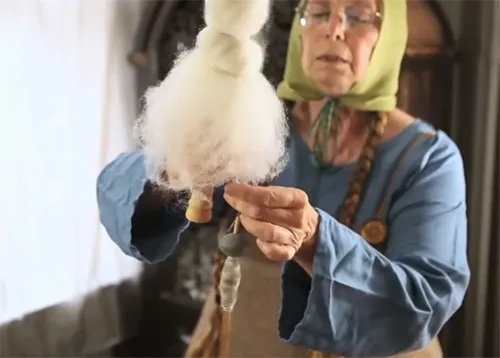
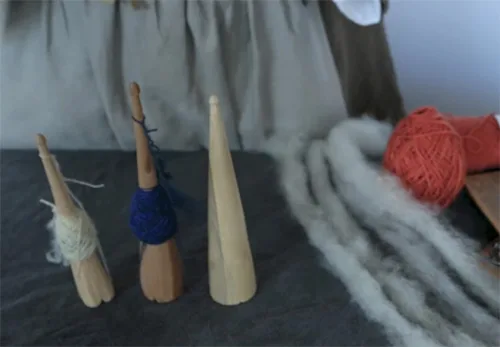
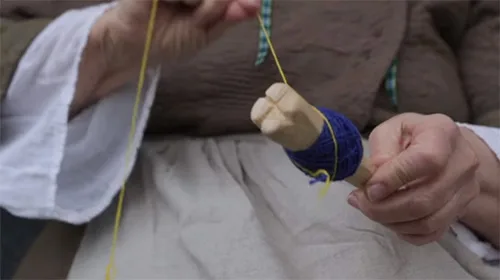
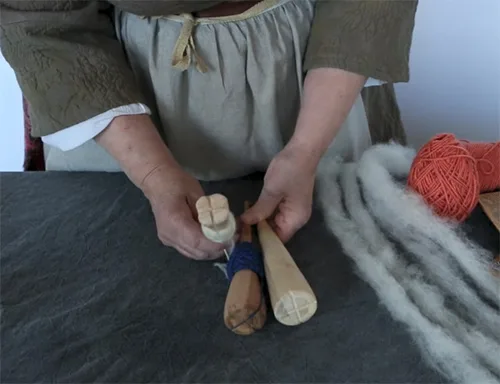
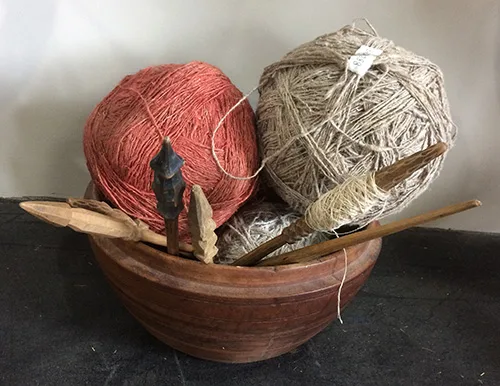
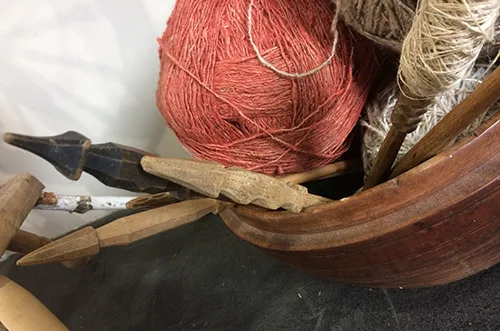
Scottish drop spindle called “dealgan”.
So, what identifies it? They basically have 4 rather unique features. And the first thing is the cone shape or the tapered shape. The next thing is – at the top they have a very small knob, all of them do. On the bottom, a very identifying feature, they have a cross cut into the bottom. But the oldest surviving example we know of has a cross that basically is sculpted to look almost like the top of a bone or an animal's paw pads. And it really does facilitate the use of the cross when you are tensioning the yarn before spinning. dealgan5.jpgdealgan2.jpgdealgan6.jpg
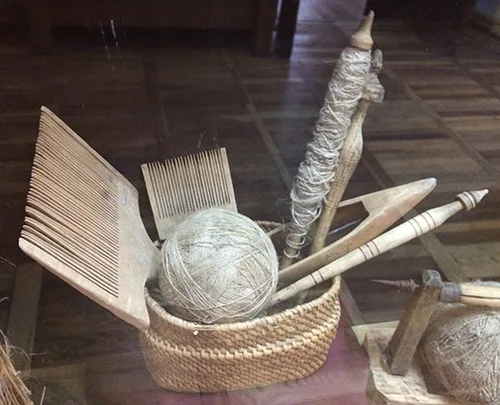
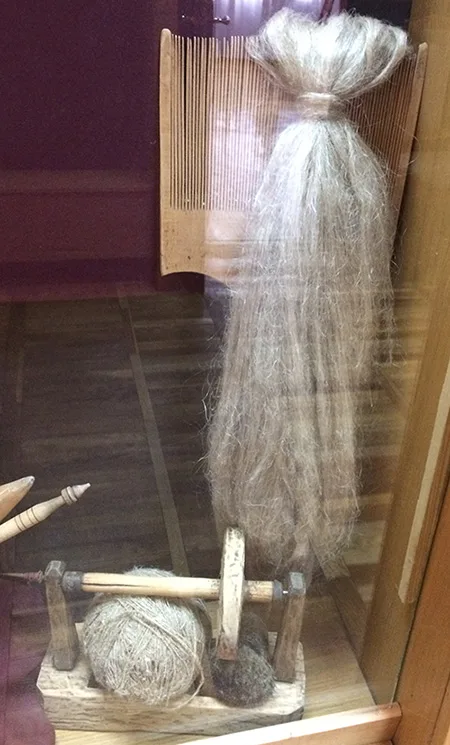
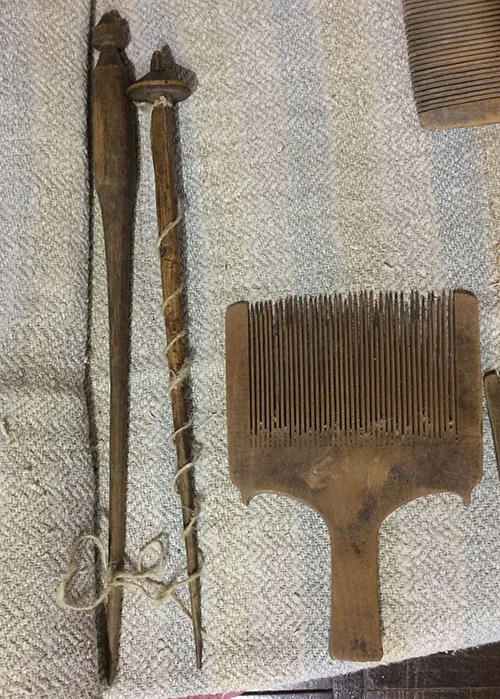
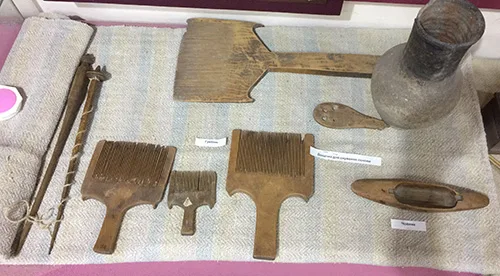
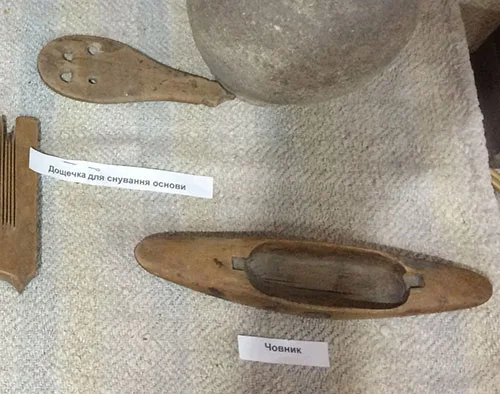
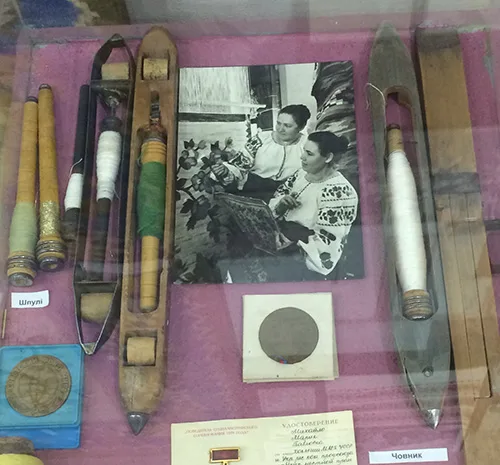
Vintage spinning and weaving tools. Zhytomyr region of Ukraine, the 19th-20th century. Here you can see spindles, a shuttle, combs for yarn, and other tools. Also, there’s linen fibers and homespun yarn.
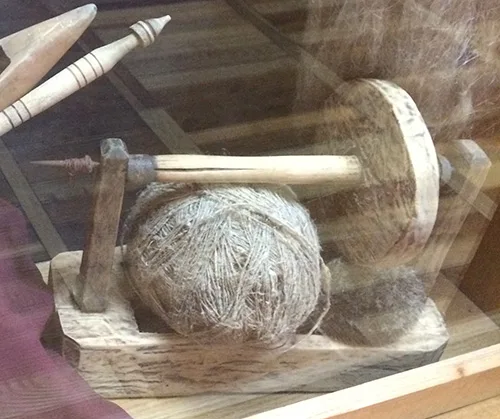
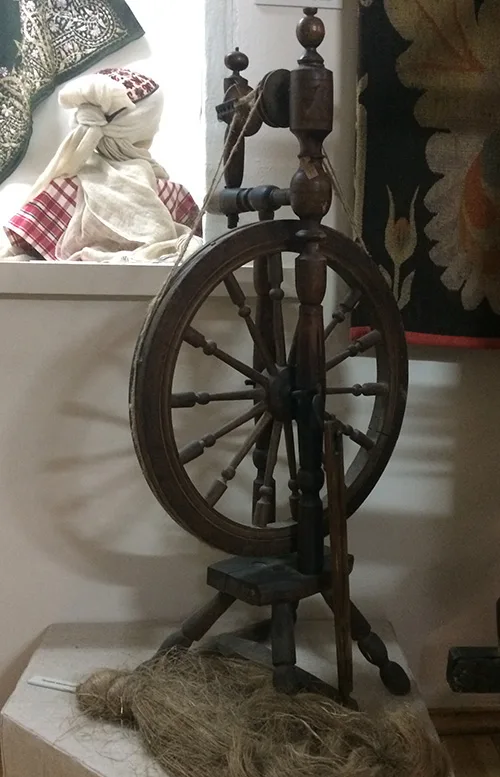
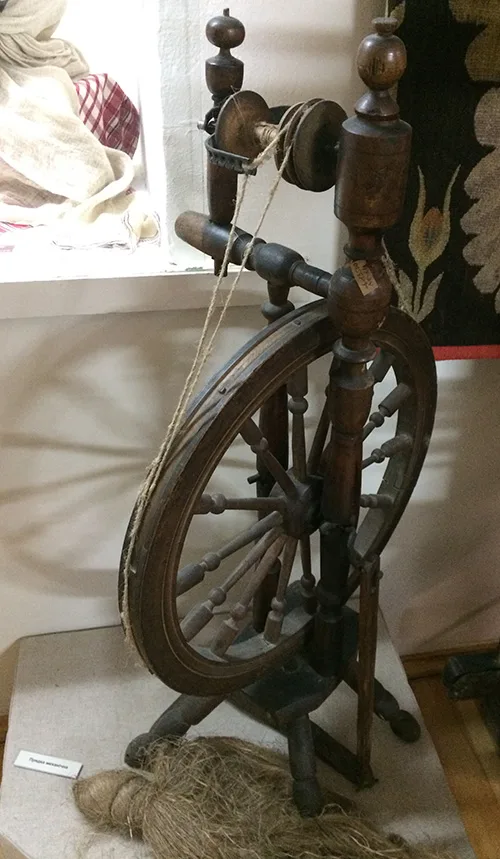
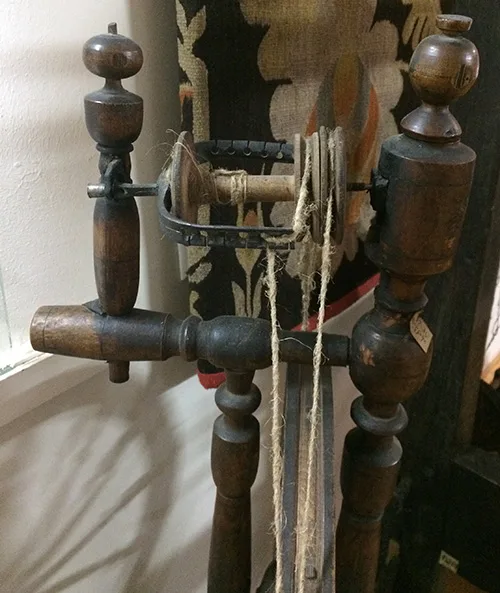
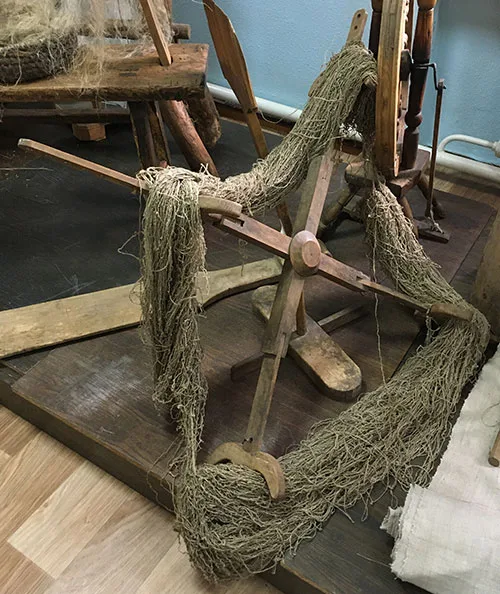
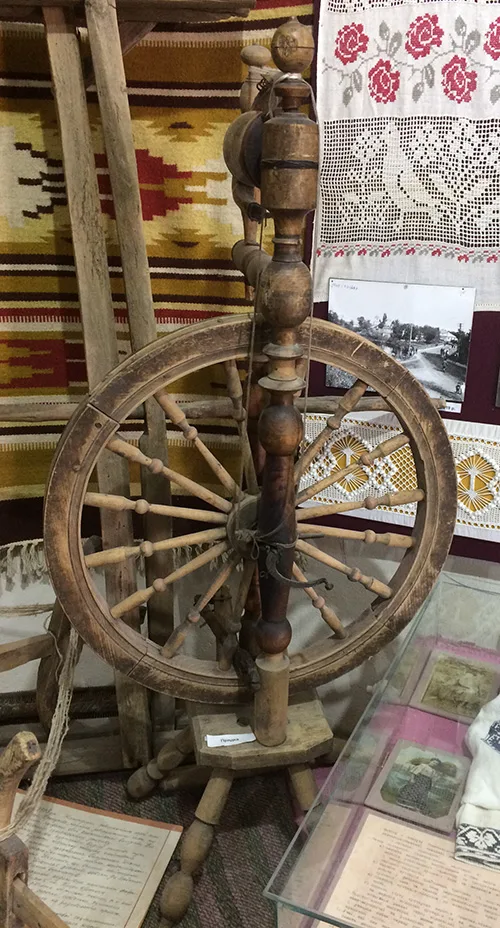
Vintage spinning wheel and a skein of natural fibers (hard to tell if it’s linen or hemp fibers). Vinnytsia region of Ukraine. Vinnytsia Regional Museum of Local History
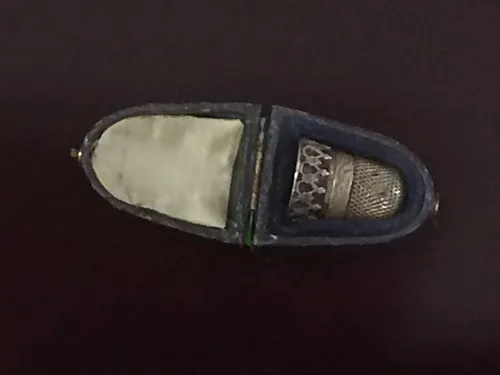
Cased thimble, 1896, Chester, United Kingdom. Elegant sewing tool.
In some countries (for example, Scandinavian countries), a sewing kit that included a thimble was worn attached to the belt of the traditional attire. It was a small accessory to the folk dress.
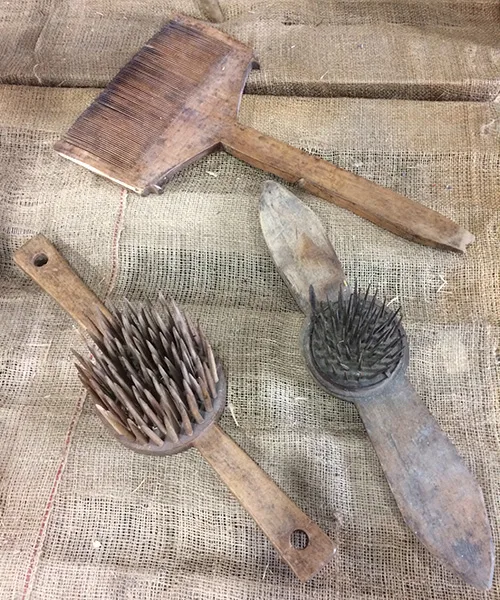
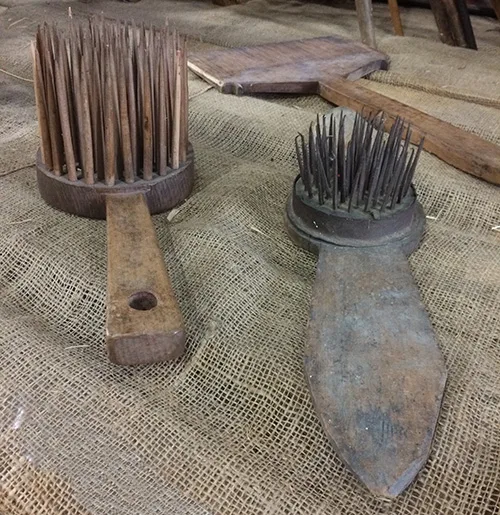
Strange spinning tools from the old times. Sometimes, these tools can look rather bizarre, but they are actually useful.
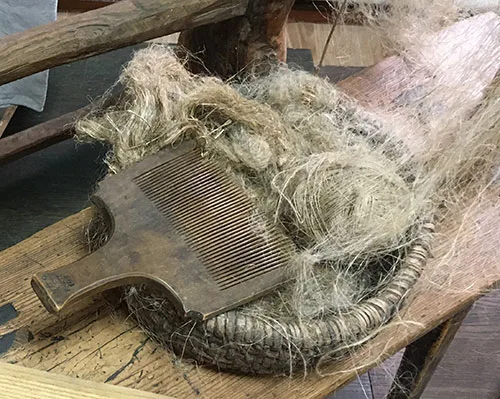
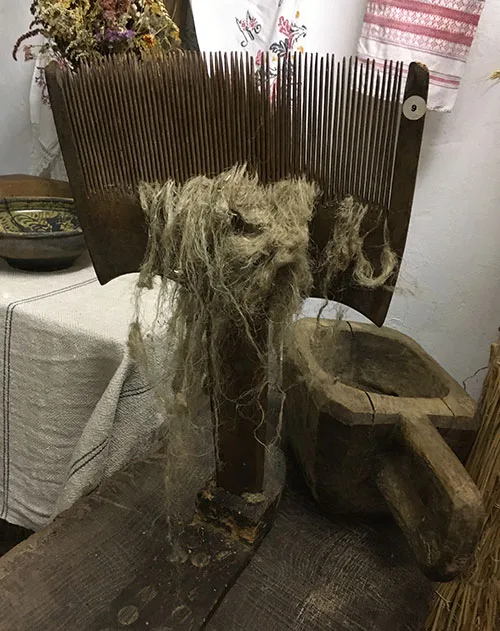
In the first two photos, there are vintage wooden combs for the yarn. Spin-weave18.jpgSpin-weave19.jpg
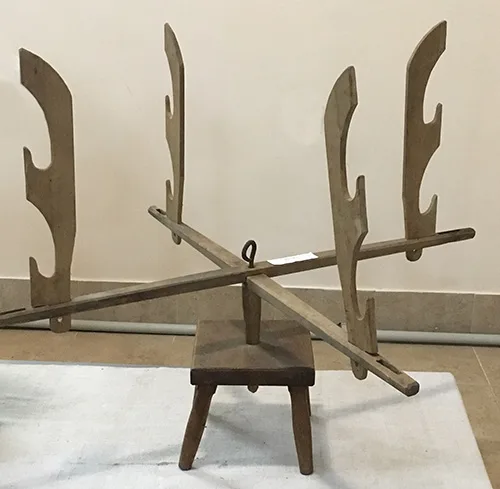
The second photo shows us a tool called “yarn winder”. It is from 1930s and looks very crude and simple. Motovylo.jpg
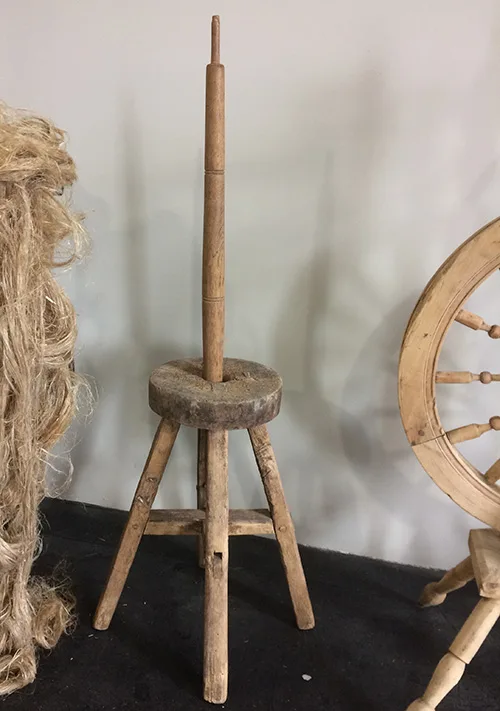
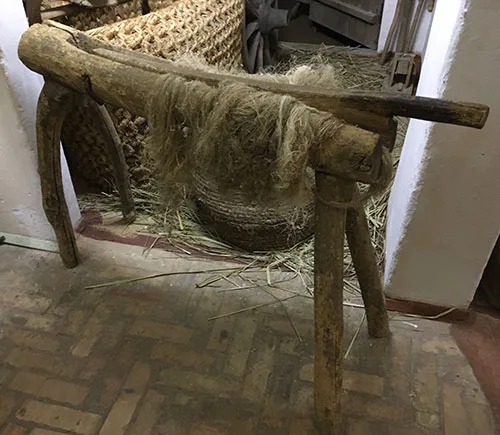
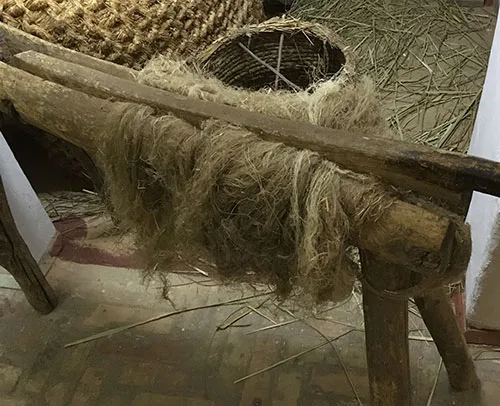
And in the last photo, is something that resembles a stationary distaff. Usually, distaffs are small and portable. They are wooden sticks that hold the wool in the process of spinning. This thing is large, almost as high as the spinning wheel, and looks a bit like a stool. Spin-weave5.jpg
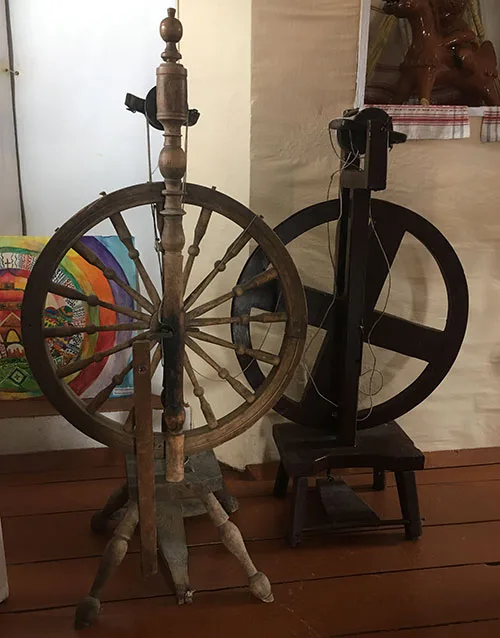
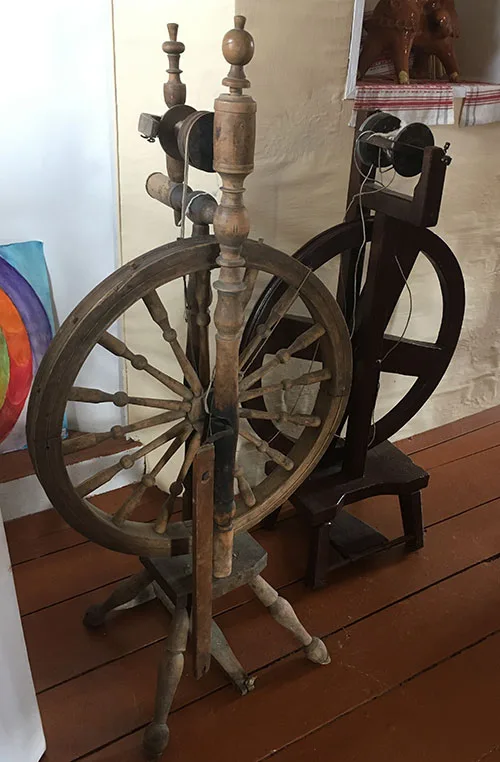
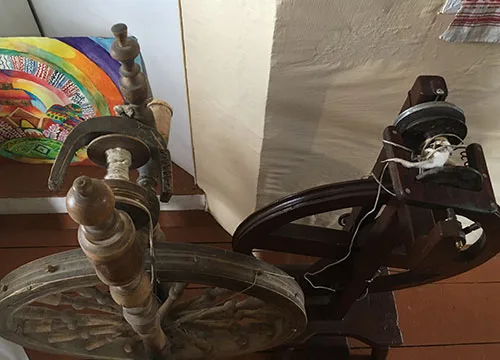
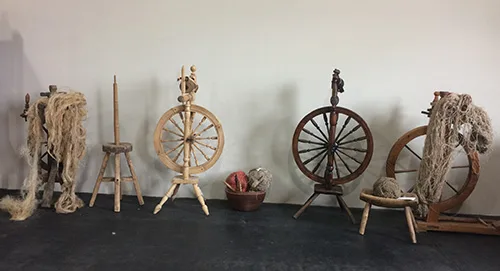
Vintage spinning wheels. The one on the left is from the 19th century (this design is pretty widespread) and the one on the right is from the early 20th century (it’s a unique custom-made wheel).
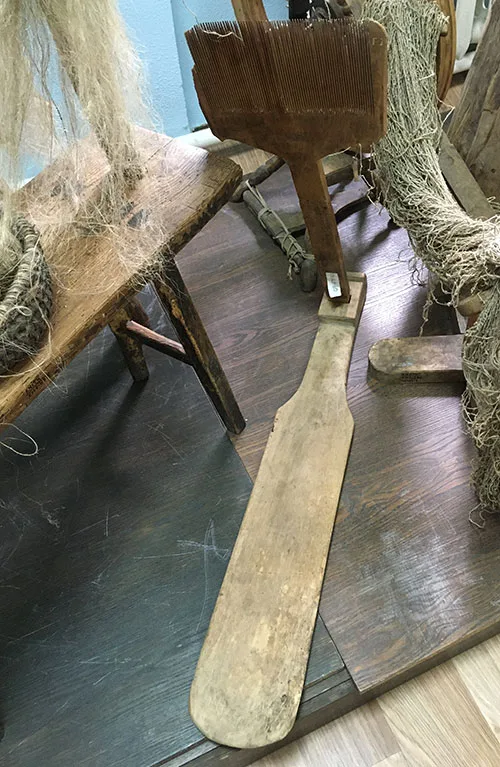
Vintage wooden tool used for crimping the yarn. This item is used to separate plant fibers (linen or hemp) from stems before spinning the yarn. The top stick is lifted and linen or hemp stems are beaten with it and pulled through the gap. It is a very simple but effective tool. Although, it takes a lot of time to produce the yarn this way.
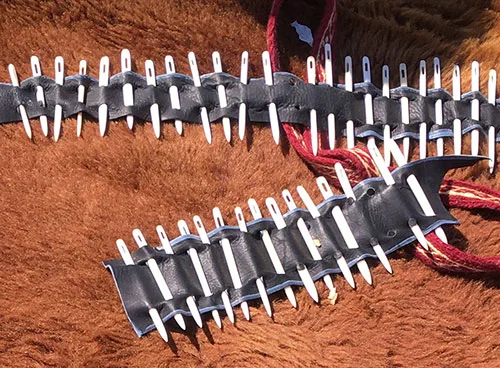
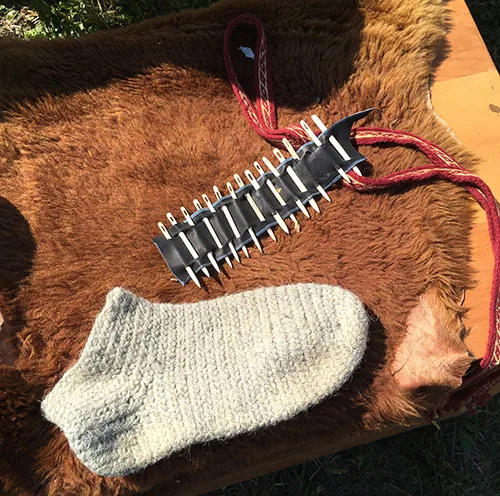
Various bone knitting needles, replicas of medieval tools used to knit socks, mitts, scarves, and other accessories in the Middle Ages. The technique is called “naalbinding” or “needle-binding”. The needles are stored tucked in leather strips. Also, you can see a sock made by the needle-binding technique. Interesting fact about needle-binding is that it doesn’t unravel when you pull at the thread, like knitted items do.
Old wooden tools for making yarn, the 19th – early 20th century. People used them to turn fibers into yarn and to prepare the yarn for spinning. It was a hard work to make clothes 100-150 year ago.
Centuries-old spinning and weaving tools. They’re wooden, handmade, and truly charming. These are two spindles, a few combs for the yarn, a flying shuttle for a loom, and a special tool for tablet weaving.
Old shuttles for weaving on a loom with bobbins inside. Most often, they were wooden or wooden with metal elements, like the metal points on these ones. After years of working with such shuttles, they became smooth as baby’s bottom))
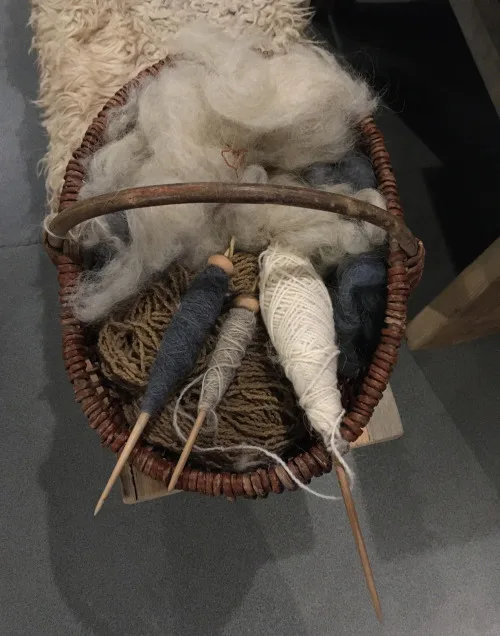
Cute basket of weaver. You can see wool fleece, different yarn, and 3 spindles with clay whorls. The spindles and whorls are modern reconstructions of spinning tools from Kyivan Rus’, the 12th-13th century.