During the long history of mankind, people developed many crafts connected to the clothes-making. One of them is the textile dyeing. Every single country in the world has its own dyeing techniques, sources of producing dyes (plants, minerals, etc.), and ways of using them on the fabric.
At first, people used natural dyes. Nowadays, synthetic dyes are factory-produced, and they replaced the natural ones almost completely. Though, in some areas, for instance, in the African countries, the traditional natural dyes and ancient techniques of dyeing the fabric are still in use.
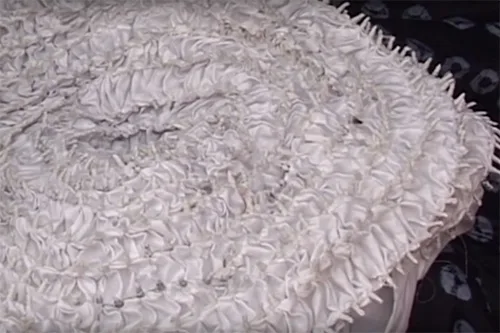
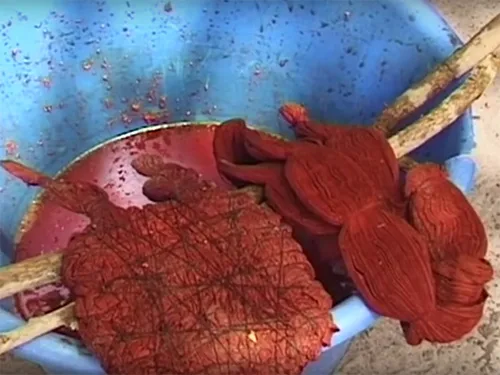
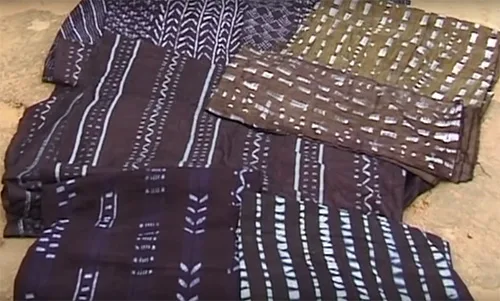
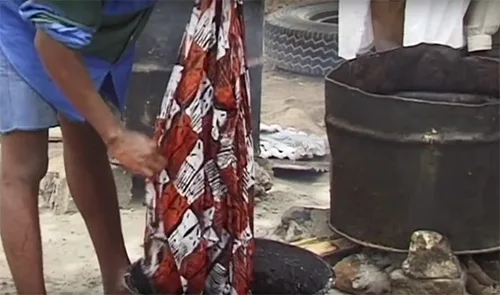
Cotton cloth tied in small knots and prepared for the tie-dying processtie-dye1.jpgDyed pieces of cloth after the kola nut (these nuts are used to make an orange-colored dye) dye bathtie-dye2.jpgIndigo dyed fabric (tie-dye technique was used) with various patternstie-dye3.jpgProcess of rinsing the tie-dyed fabric. The cloth is almost ready for saletie-dye4.jpg
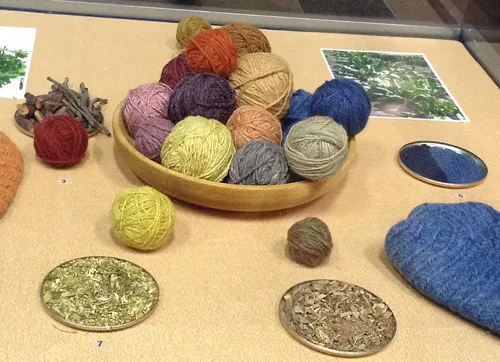
Homemade and hand-dyed yarn; herbs that were used to dye it. In ancient times, only natural colorings were used (for example, chamomile flowers for different shades of yellow, oak roots for red and orange colors, willow bark or shells of walnuts for the brown palette, etc.). Yarn.jpg
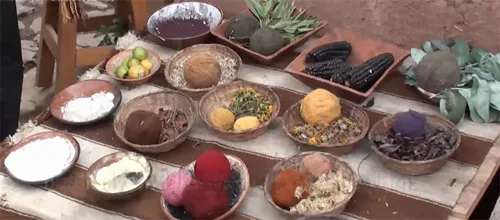
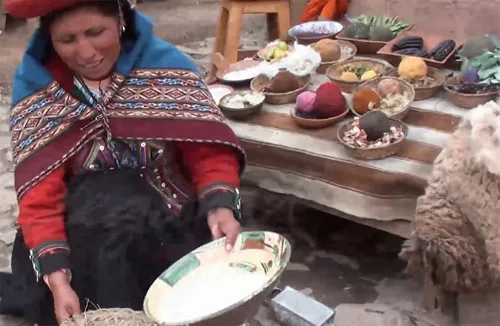
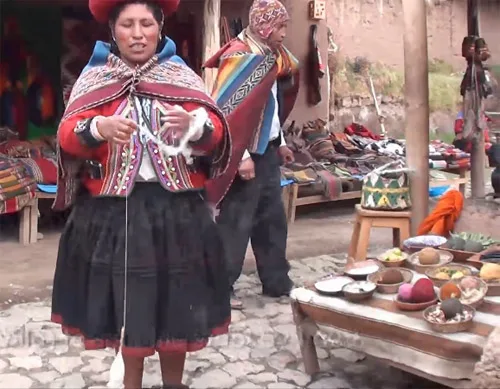
Peruvian traditional dyes. Peruvians use various ingredients to dye the yarn: cochinilla (insect that lives on cacti), corn, flowers, indigo, roots of sachaparakay, etc. If the yarn becomes too red, they can change its color by using lemon. The yarn is boiled together with the dyes for several hours. After that, it is ready for weaving. Peruvian_dyeing1.jpgPeruvian_dyeing2.jpgPeruvian_dyeing3.jpg
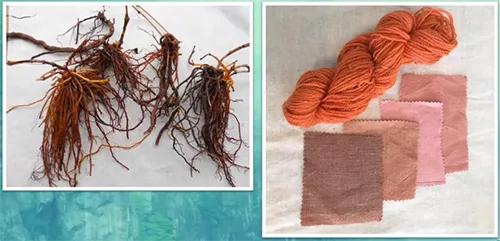
Japanese traditional natural dye called “akane”. It is the oldest red dye used in Japan. A perennial plant was used as the dye pigment. Also, you can see samples of fabric dyed with akane, but the process had to be repeated 20-30 times to get the dark red shade.