The kids’ clothing of this period was no less extraordinary, intricate, and complicated as the garments of adults. Sometimes the kids’ sets of clothes impress us even more. Just take a look at these.
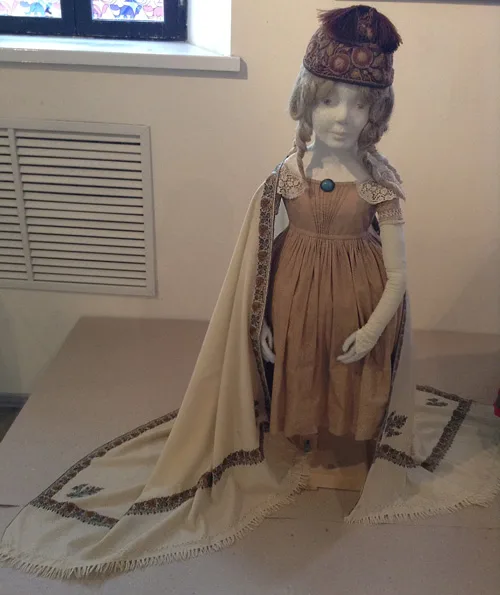
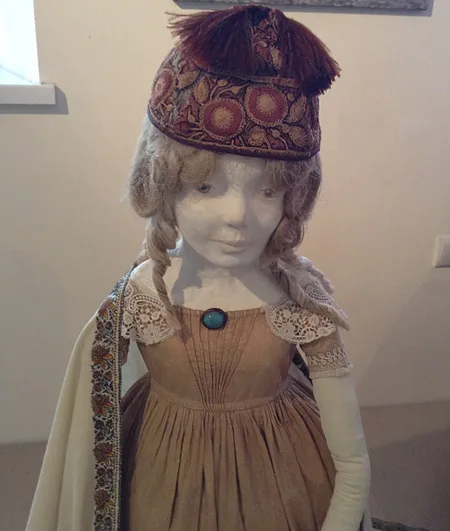
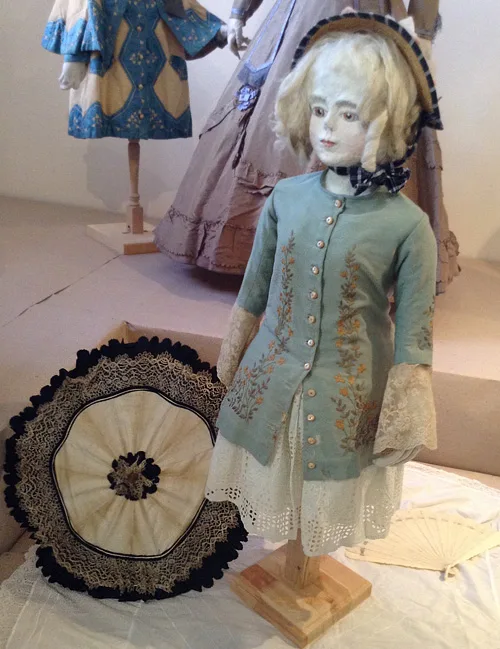
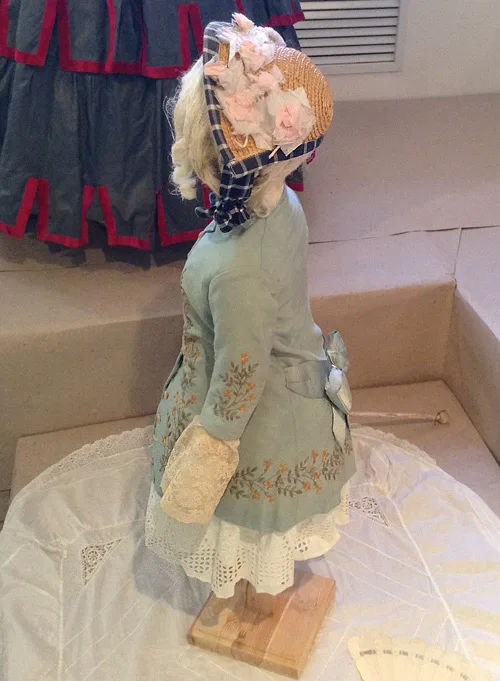
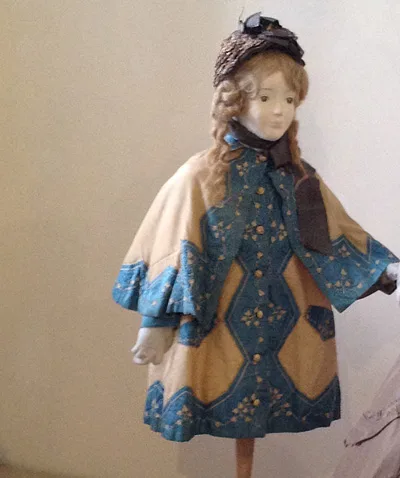
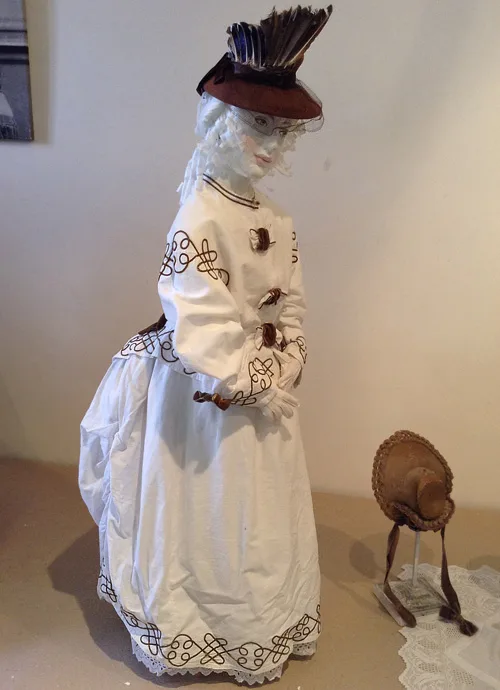
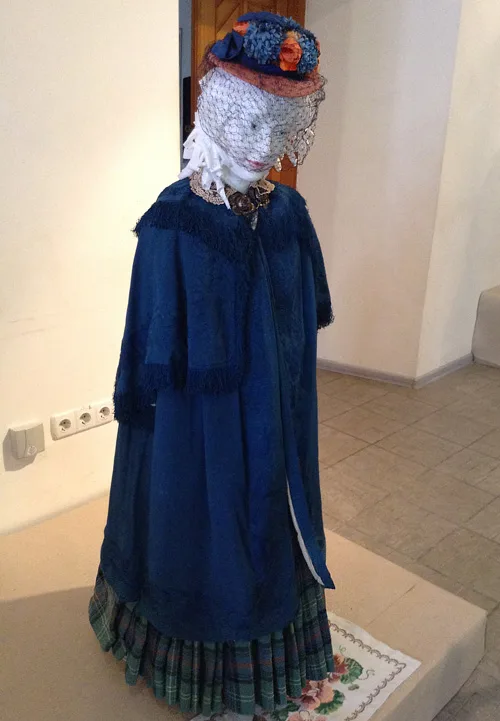
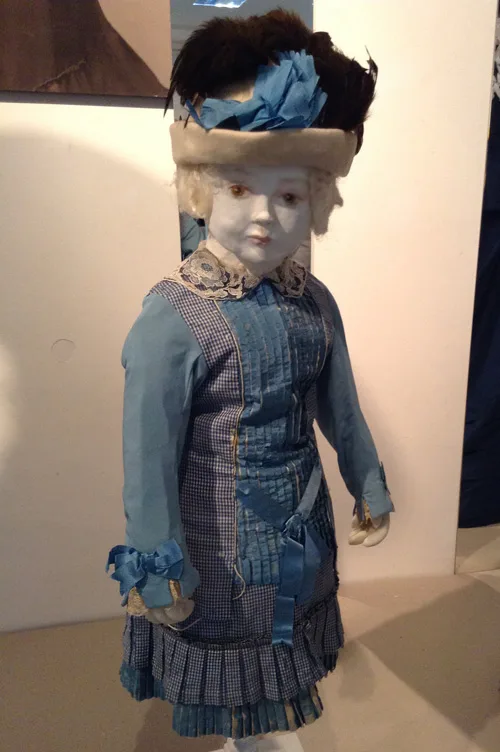
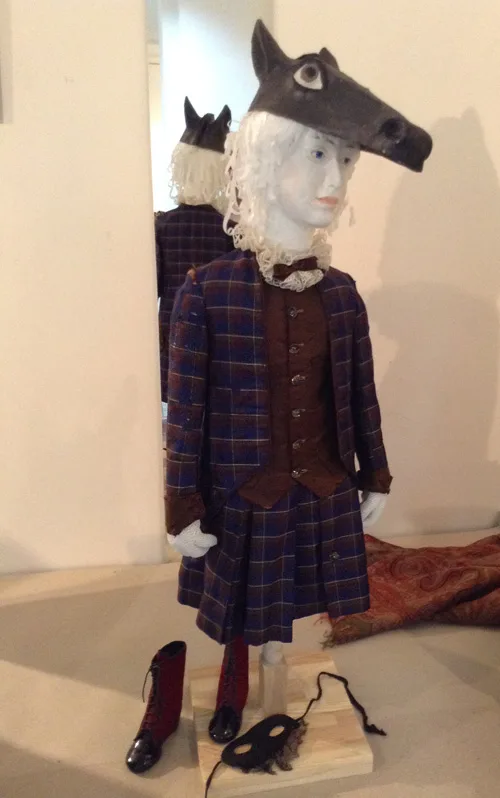
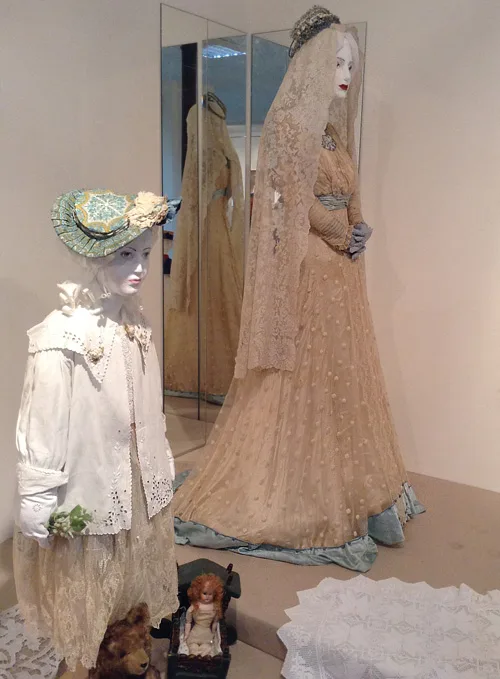
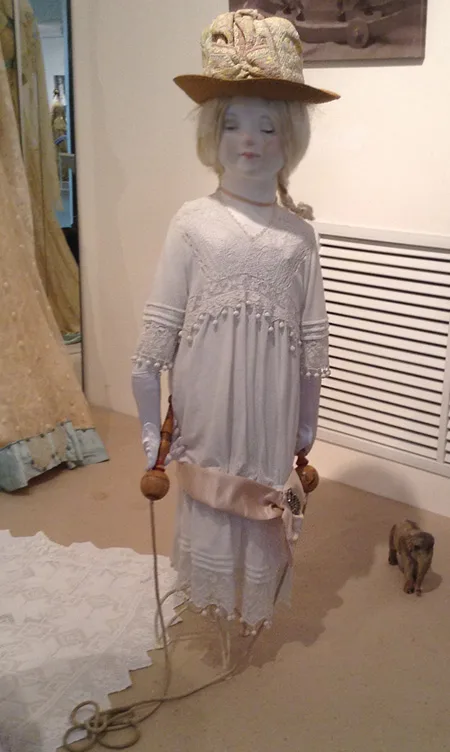
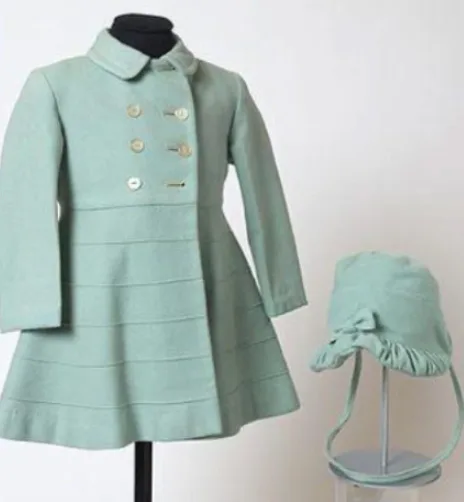
Summer dress for 4-5-year-old girl, France, 1840-1850. Dress, shawl, and hat. The dress has the same cut as gowns for adult women. It is worn with crinoline. The dress is made from linen and adorned with lace on the collar and sleeves. It also is decorated with a brooch. The shawl is large, with patterns on the fabric. The hat is embroidered and has tasselsFashion87.jpgFashion89.jpgCoat for 3-5-year-old girl, France, 1870-1880. Cerulean coat with embroidery, lacy dress, hat, and umbrella. The coat is made from “drap de dames” (very light and soft woolen fabric) and embroidered with colorful threads. It has a row of buttons on the front side. The coat was worn with bustleFashion93.jpgFashion95.jpgSummer mantle-like coat for 5-6-year-old girl, Germany, 1860-1865. Blue and beige mantle-like coat and hat tied under the chin. The coat is made from silk and decorated with patterns on the fabric. The pelerine is removable. The hat is embellished with ribbonsFashion98.jpgGirl’s summer visiting dress, Austria, 1880. Wide skirt, jacket, gloves, and hat. The costume was worn with corset and bustle. It is made from white cotton and embellished with hand embroidery, small bows, and velvet decorations. The hat is adorned with feathers and veilFashion100.jpgCape for 9-10-year-old girl, 1863-1865. Blue cape, long pleated skirt, blouse with lace collar and brooch, and colorful hat with veil. The cape is made from silk poult and embellished with embroidery and quilling. Tartan skirt has large pleats. The hat is adorned with artificial flowers and veilFashion107.jpgOutfit of little girl, Austria, 1875-1880. Short dress was worn with corset and bustle; felt hat decorated with feathers and artificial flowers. The dress is made from wool and silk and embellished with ribbons, lace, and pleatsFashion4.jpgBoy’s attire (of 6-7-year-old boy), Europe, 1885. Pleated skirt, vest, jacket, mask, boots, gloves, and carnival headdress. The skirt and jacket are made from checkered silk; the collar is lacy; the buttons are adorned with rhinestonesFashion7.jpgGirl’s visiting costume, Ukraine, the end of the 19th century. It consists of a blouse, a skirt, a jacket, gloves, and a hatFashion35.jpgGirl’s festive dress, Russia, 1907-1912. White batiste dress with low waistline, hat, gloves, and wide satin ribbon. The dress is embellished with embroidery, lace, and tiny pom-poms. The hat is made from cotton and adorned with handmade lace and a ribbon under the chin. The satin ribbon was designed to embellish the dressFashion37.jpg
I never liked the clothes of those centuries because they were terribly uncomfortable, they were hard to wash, and they were not as beautiful as many people imagined them to be. And yes, only rich kids could afford to walk around in such fancy outfits. Most children of that time ran around in poorly tailored clothes. By the way, these are the kinds of things we teach our orphans at our social agency, https://fosterplus.org. So that when they grow up, they will be intelligent and educated people. By the way, I adopted one orphan myself because I thought I could afford it, given my financial situation.