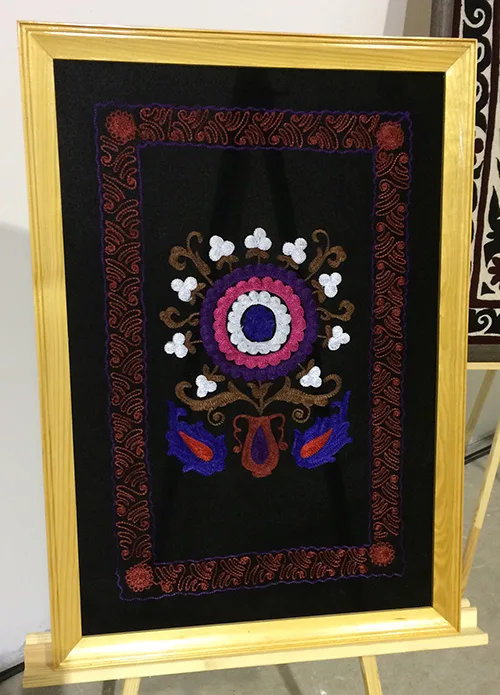
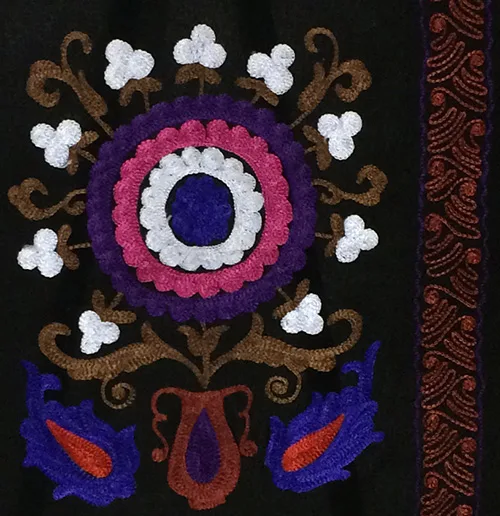
Embroidery is the handicraft of decorating fabric or other materials with needle and thread or yarn. Embroidery may also incorporate other materials such as, pearls, beads, quills, and sequins [from Wikipedia].
This craft is one of the most popular in the world. The patterns, techniques, tools, and meanings of embroidery are so different from one community to the other.
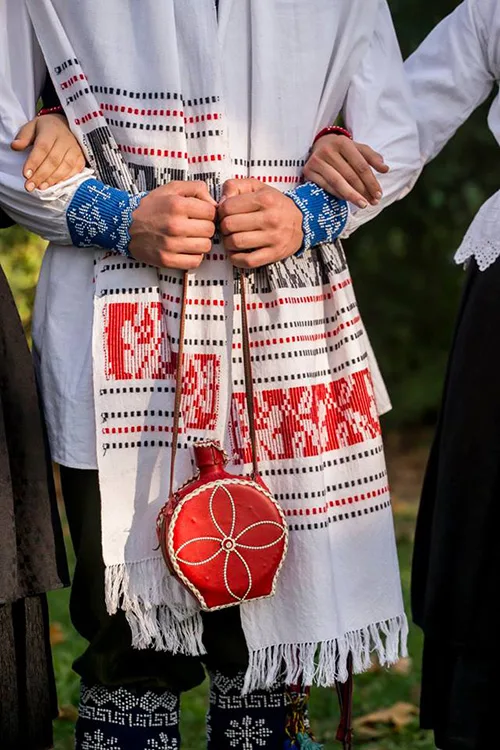
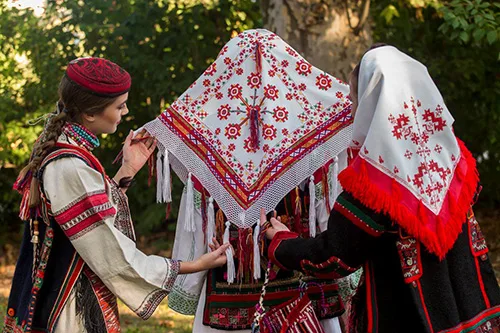
For example, here is Serbian embroidery designs and traditions. Serbian-costumes3.jpgSerbian-women.jpg
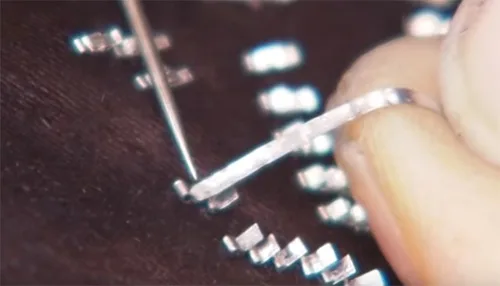
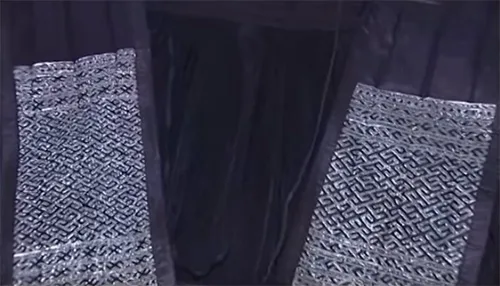
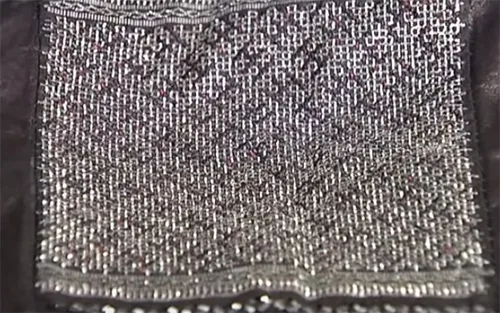
Chinese tin embroidery. It is a very special embroidery technique when long pieces of metal (tin foil) are used instead of threads. The craftswomen make the tin foil by themselves – they melt the tin and pour it onto the flat state to make tinplates. After that, the tinplate is cut into strips 1mm wide, right before it is used as a thread.
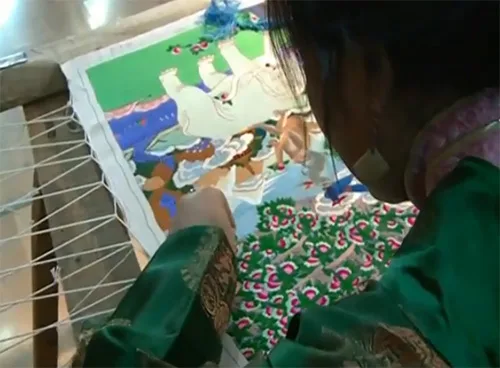
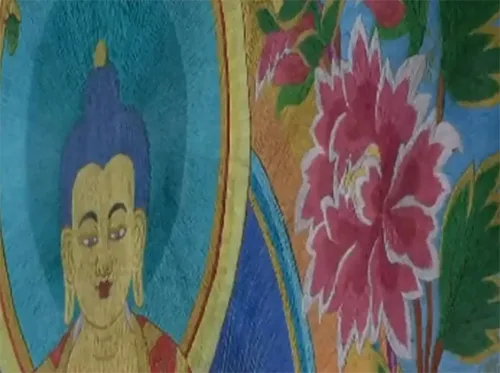
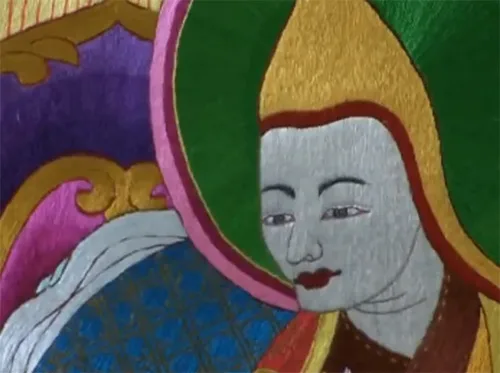
Tibetan-style embroidery. The patterns and embroidery techniques differ from those in other countries. In Tibet, people often depict the images of Buddha and other meaningful figures. Tibetan-style-embroidery1.jpgTibetan-style-embroidery3.jpgTibetan-style-embroidery5.jpg
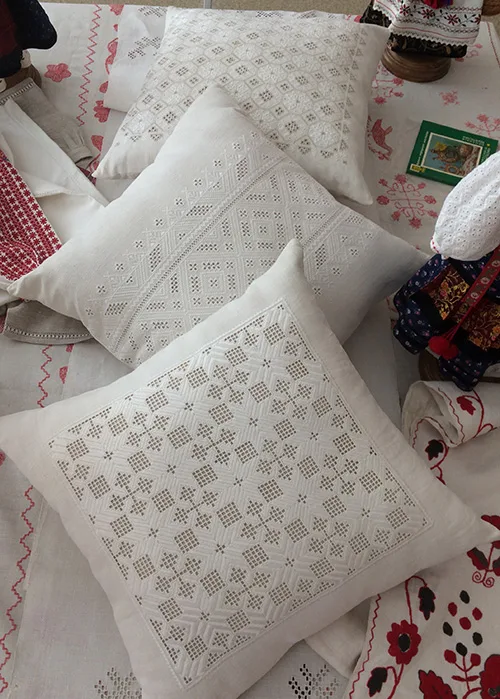
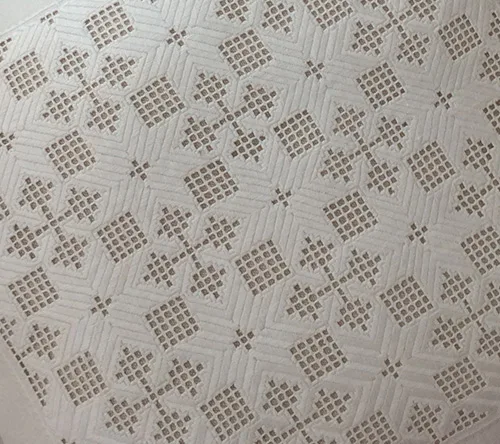
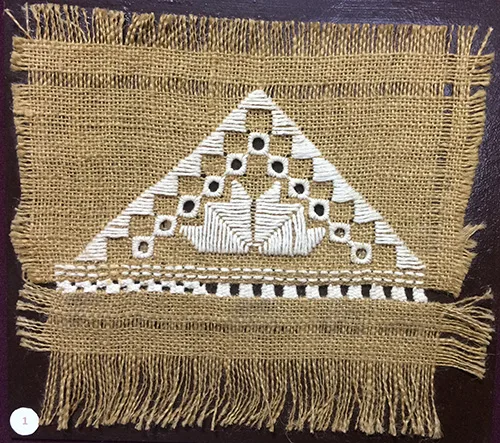
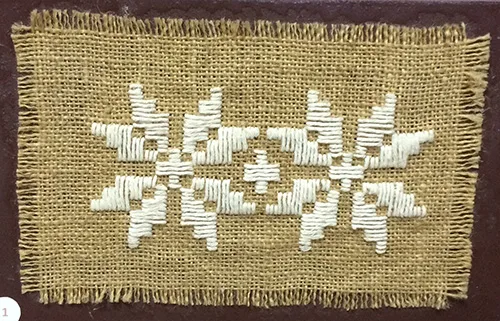
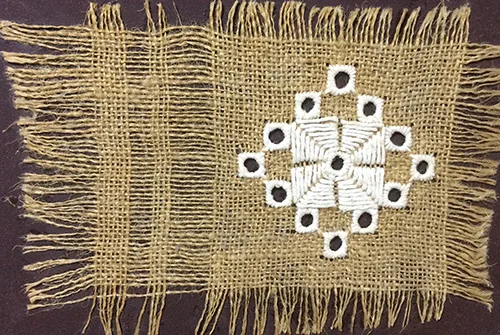
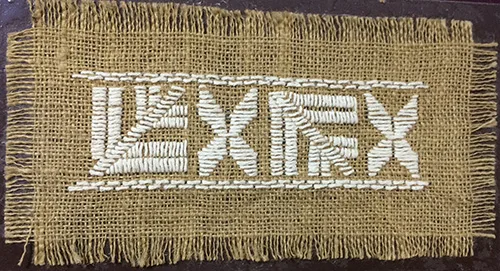
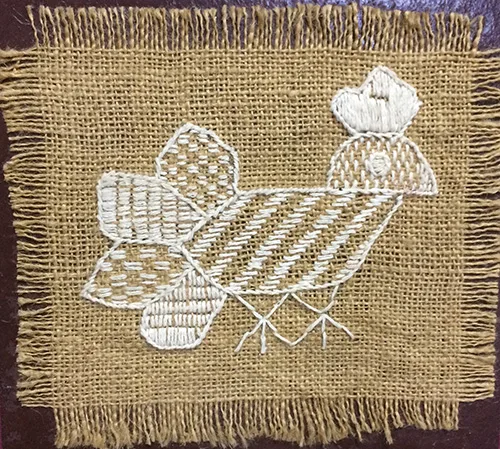
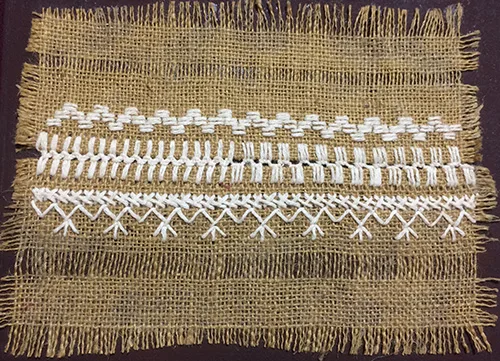
The oldest embroidery patterns, ornaments, and stitches used at the territory of modern Ukraine. Some of these stitches originate from the Cucuteni-Trypillia culture (5500-2750 B.C.) and the Bronze Age (3200-600 B.C. in Europe). They are reconstructed samples. A lot of these designs are still a part of Ukrainian traditional embroidery culture.
These samples are displayed in Reshetylivka museum, Poltava region, Central Ukraine.
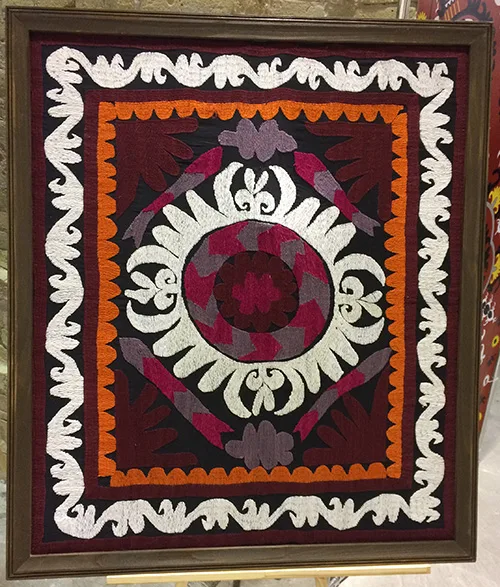
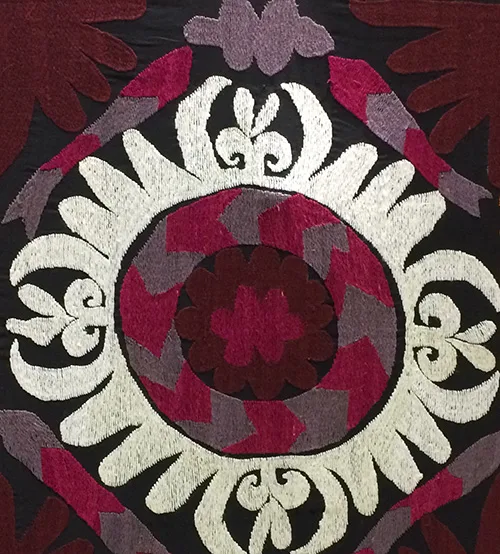
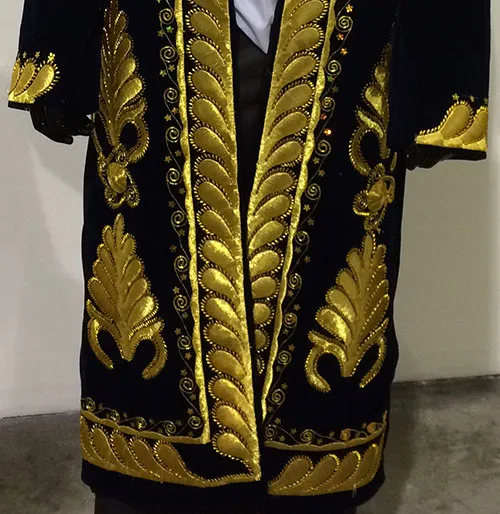
Beautiful Uzbek gold embroidery on a robe. Modern reconstruction of Uzbek traditional attire. These needlework patterns are very typical for Uzbekistan and often occur on the local folk clothes.