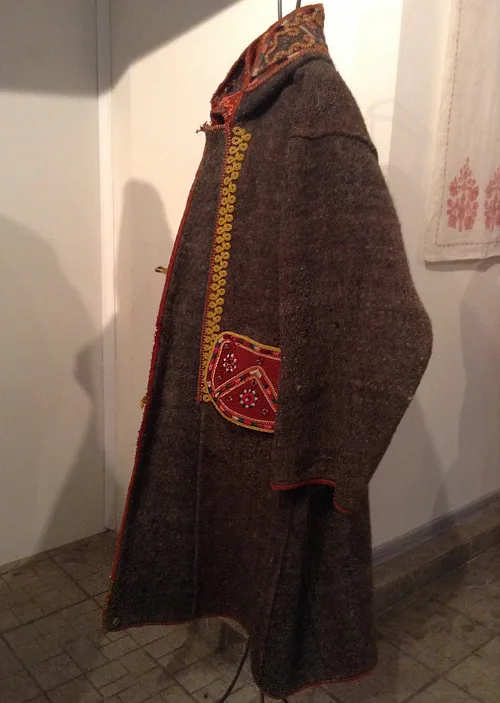
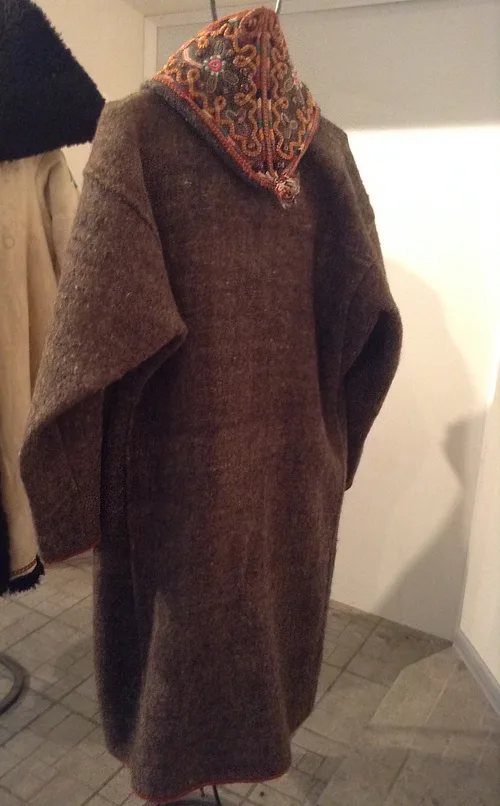
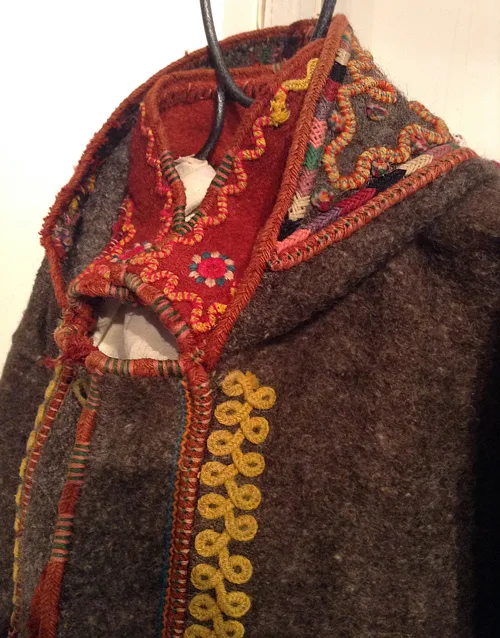
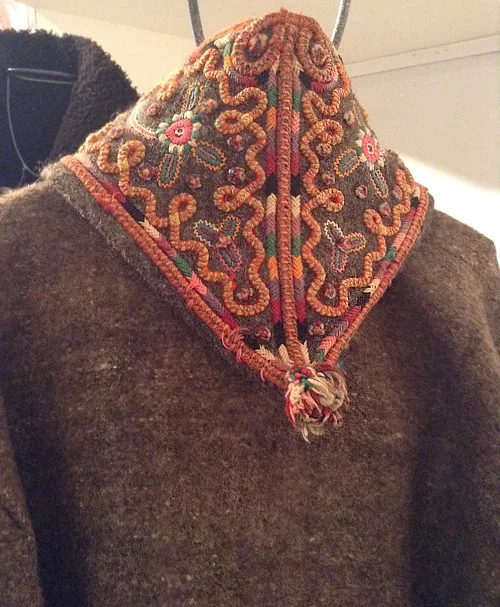
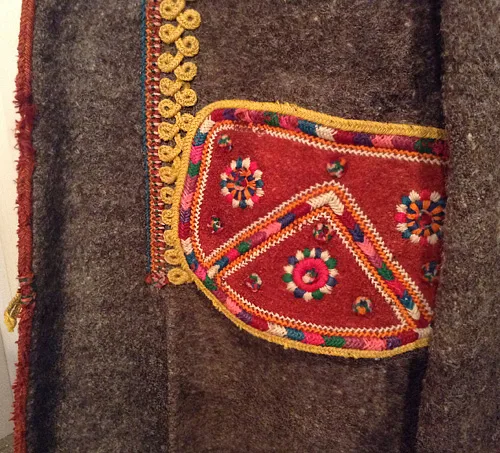
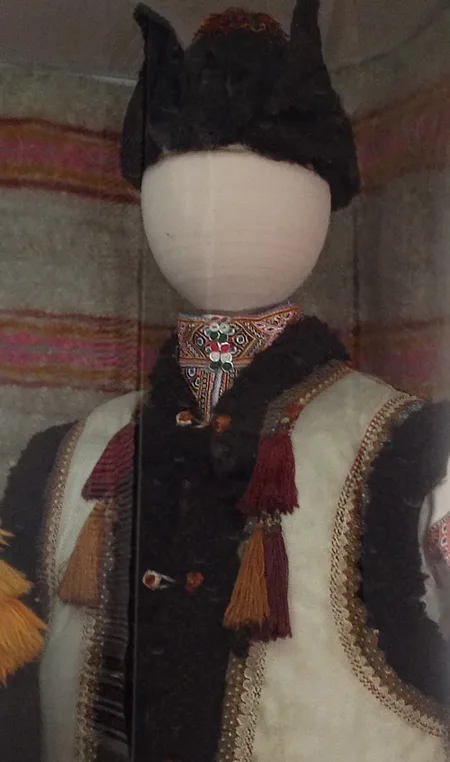
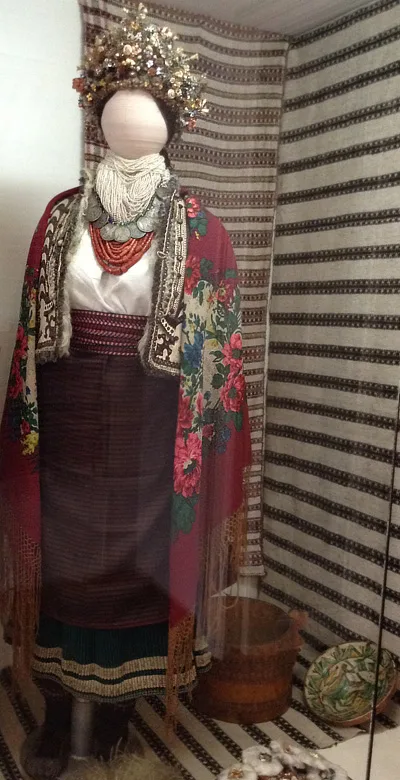
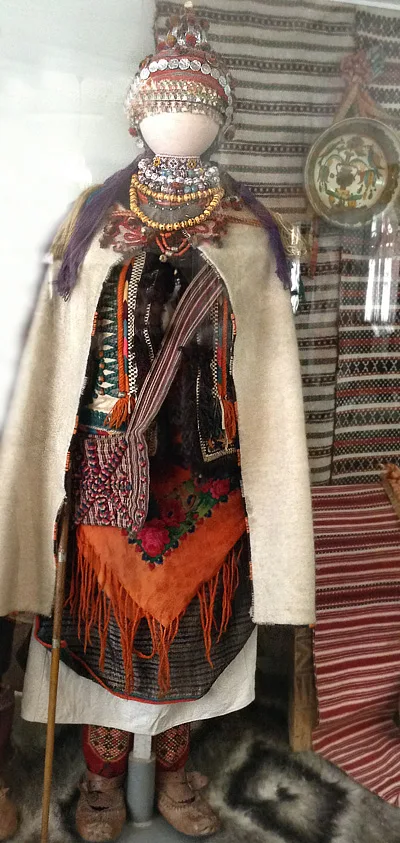
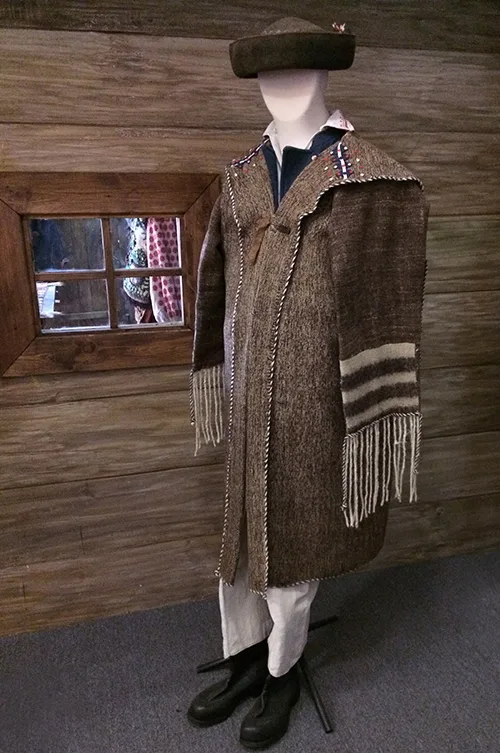
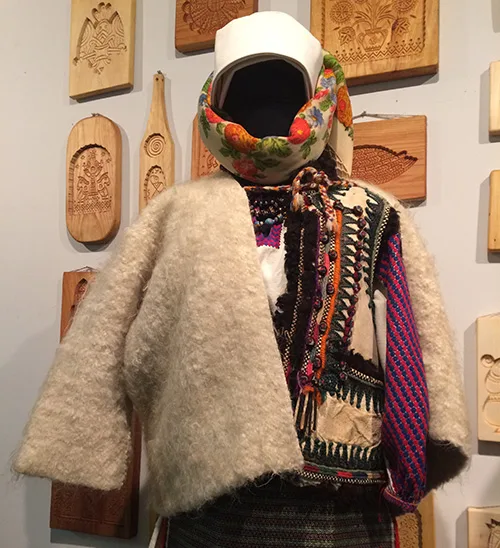
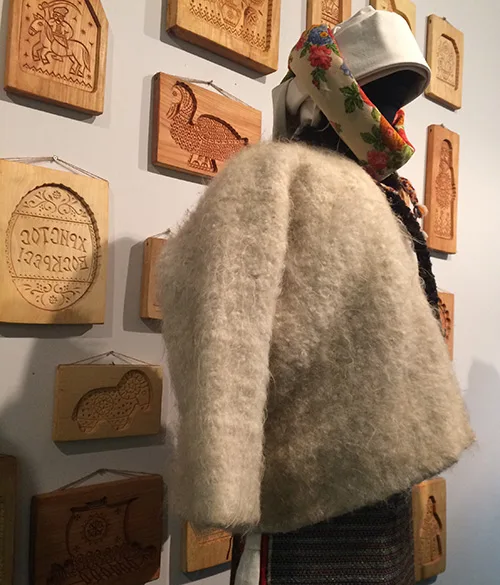
One of the traditional Hutsul (Ukrainian Hutsuls are people who dwell in the Carpathian Mountains) pieces of outerwear is called “manta”. It is a woolen hooded cloak beautifully embellished with colorful embroidery. To live in highlands, you must have very warm and comfy clothing, especially winter garments. Today Ukrainians use mostly modern pieces, but years ago Hutsuls used manta – they wore it over other coats or cloaks. It was the very top item that protected the body from the cold, winds, and snow. There were simpler garments for everyday usage (with a little or none embroidery and decorations) and festive mantas for holidays and celebrations. manta1.jpgmanta2.jpgmanta3.jpgmanta4.jpgmanta5.jpg
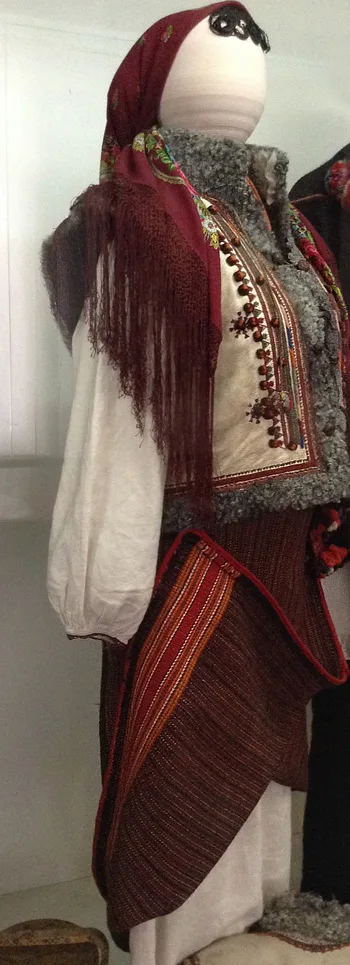
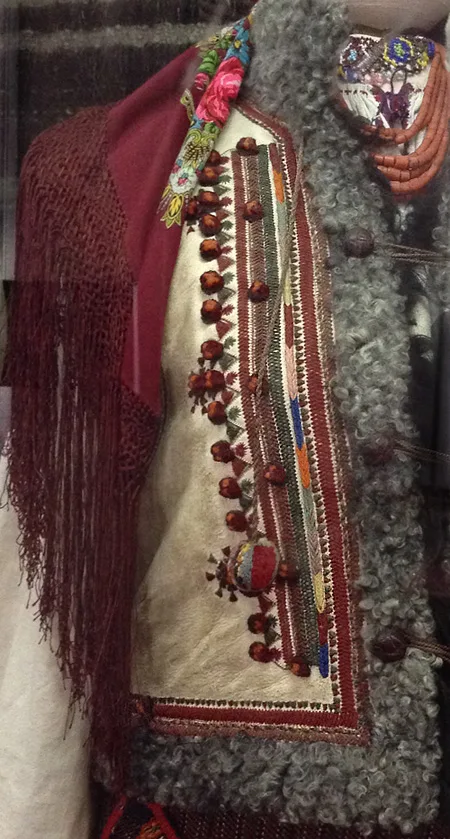
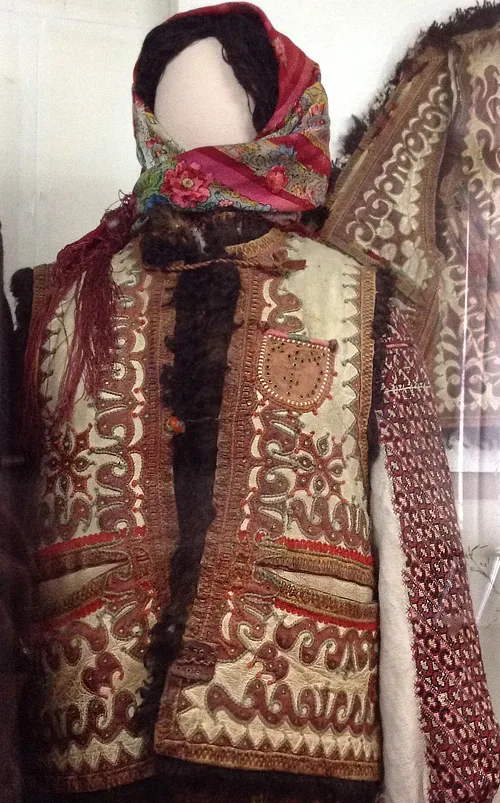
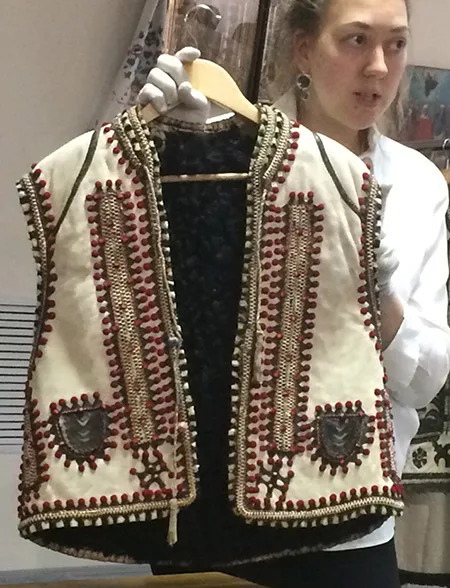
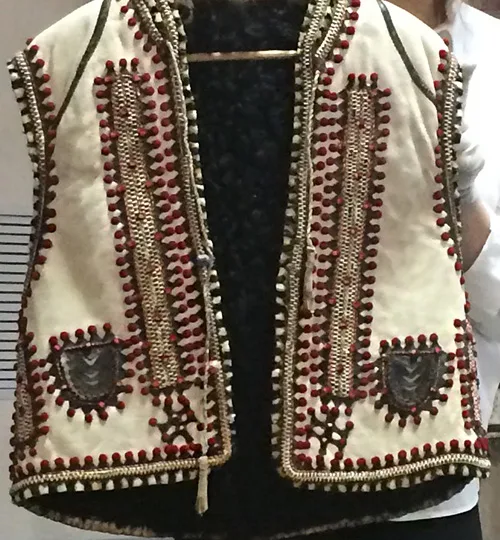
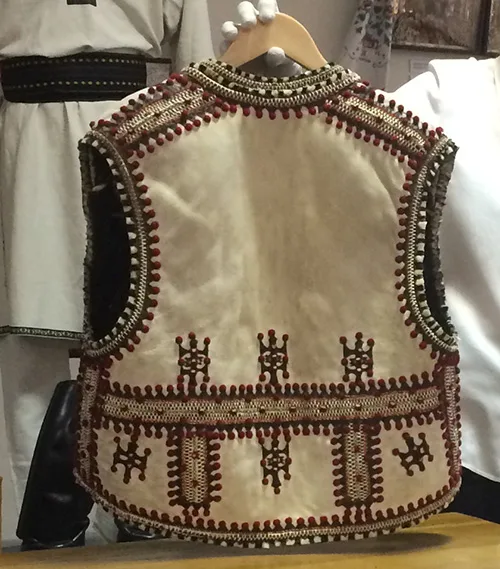
Another outerwear garment used in the Carpathian region is called “keptar”. It is a traditional piece and very popular even these days. Keptar is a sleeveless fur coat with beautiful embellishments. It is made from a sheepskin.
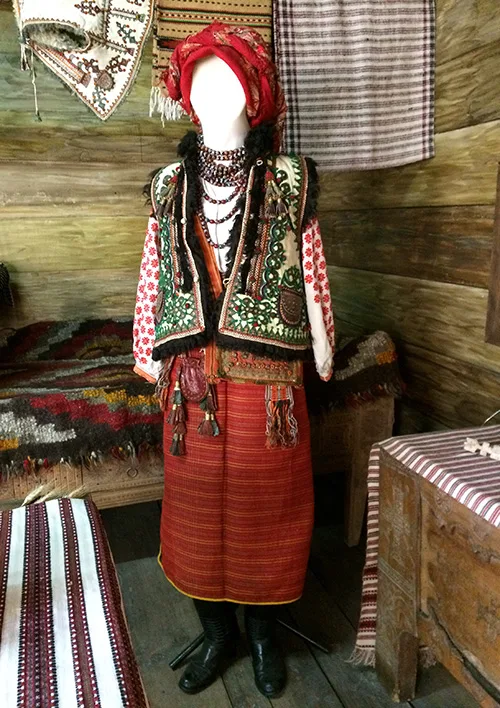
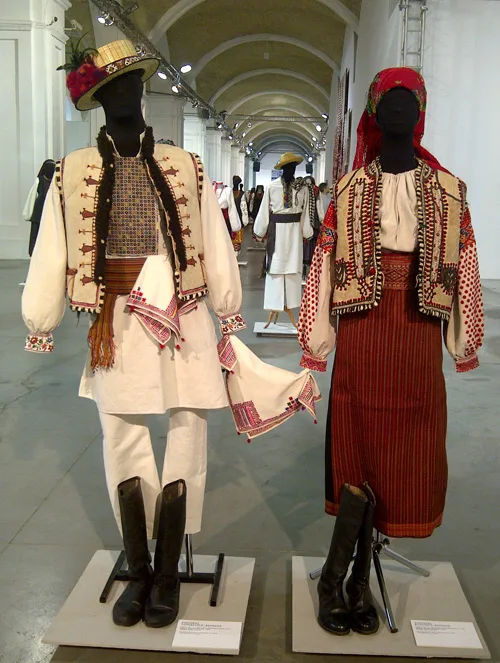
Keptar is used by both men and women. It is worn not only during the cold season but all year long, as it can be pretty cool in the mountains even in summer. This garment is an obligatory part of the women’s festive folk costume. An embroidered shirt worn under the keptar is like an undergarment; it isn’t used for special occasions without the vest, jacket, or coat.
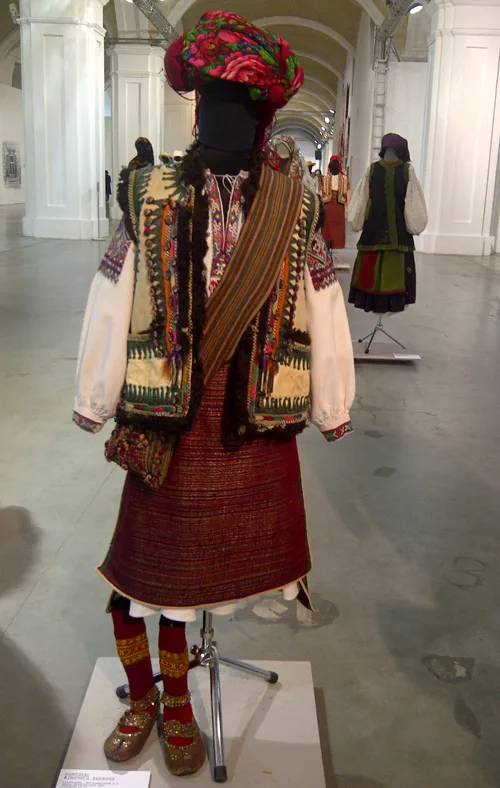
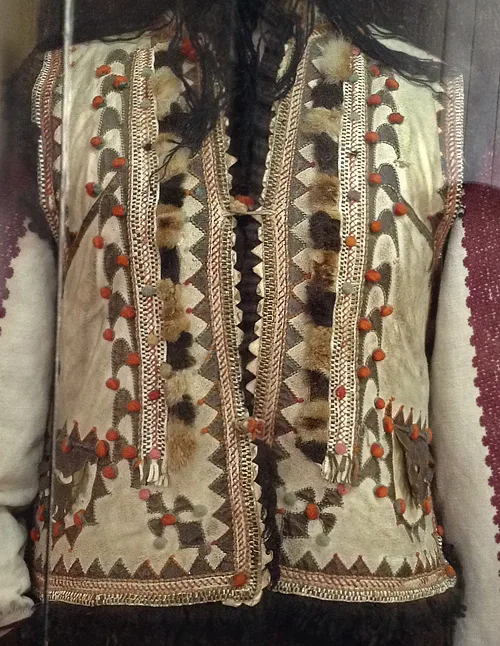
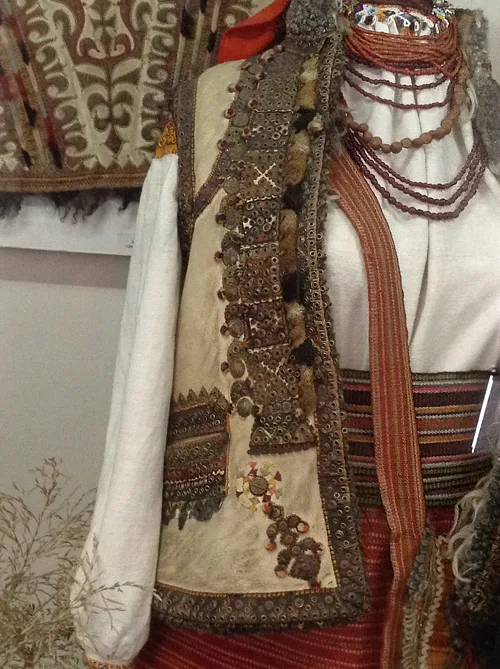
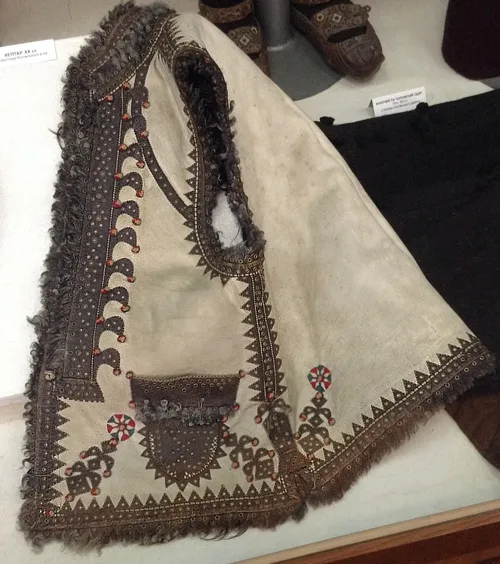
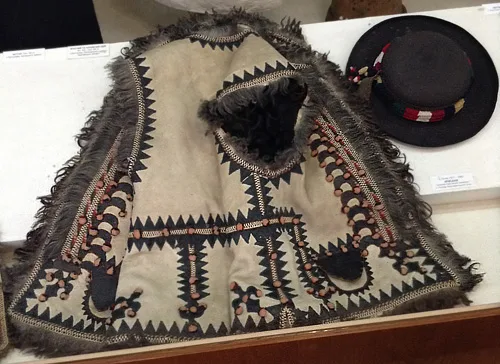
Keptar is always richly decorated. Embroidery, applique, braiding, pompons, metal decorations and tassels are used to make the garment festive and very fine.
Here are several examples of a vintage keptar.
Set of women’s clothing from Hutsul region of Ukraine (western part of the country), the early 20th century. The costume includes a keptar; another keptar is on the backgroundCostume_Lviv63.jpgMale and female costumes with keptar. Women’s keptar is much more ornatenational_Ukraine1.jpgFemale clothing from the Carpathian region of Ukraine. It includes a festive keptarnational_Ukraine14.jpgTraditional women's costume from Kosiv district, Ivano-Frankivsk region of Ukraine at the beginning of the 20th centuryclothing21.jpgEmbellishments on the keptar from Kosiv district, Ivano-Frankivsk region of Ukraine at the beginning of the 20th centuryclothing22.jpgKeptar from Putyliv district, Chernivtsi region, the end of the 19th century – the beginning of the 20th centuryclothing24.jpgKeptar from Rakhiv district, Transcarpathian region, the beginning of the 20th centuryclothing29.jpgSimple male keptar from Rakhiv district, Transcarpathian region of Ukraine, the beginning of the 20th centuryclothing10.jpgFemale keptar from Kosiv district, Ivano-Frankivsk region, the beginning of the 20th centuryclothing17.jpgMale keptar made from sheepskin and decorated with leather, metal elements, embroidery, and tiny yarn pom-ponsclothing18.jpgMen’s keptar made from sheepskin and decorated with leather, embroidery, and tiny yarn pom-ponsclothing19.jpgKeptar as a part of the traditional wedding dress in the Carpathian regions of Ukraine. Kolomyia district, Ivano-Frankivsk region, the beginning of the 20th centuryclothing31.jpgKeptar as a part of the traditional wedding dress in the Carpathian regions of Ukraine. Verkhovyna district, Ivano-Frankivsk region, the beginning of the 20th centuryclothing36.jpg
Unique traditional woolen coat called “chugania” from Carpathian region of Ukraine. Lemko area (western part of the country), the early 20th century Costume_Lviv31.jpg
Woolen coat called “hunia” from Kosiv district, Ivano-Frankivsk region (western part of Ukraine). This one is short and white. It doesn’t have any buttons but has a cord near the collar to hold the coat in place. It is also rather thin but very warm.
Usually, the hunia garments were used by both men and women. They could be short or long, furry (made from sheepskin) or woolen. Shepherds often used hunia to cope with cold winters in the mountains. Hunia1.jpgHunia2.jpg
Ukrainian traditional vest called “keptar” from Ivano-Frankivsk region (Carpathian area of the country). It is made from sheepskin and richly adorned – with leather decorations, applique, tiny yarn pom-poms, and embroidery. Such garments were used by both men and women all year round because it can be pretty cold in the mountains even in summer.
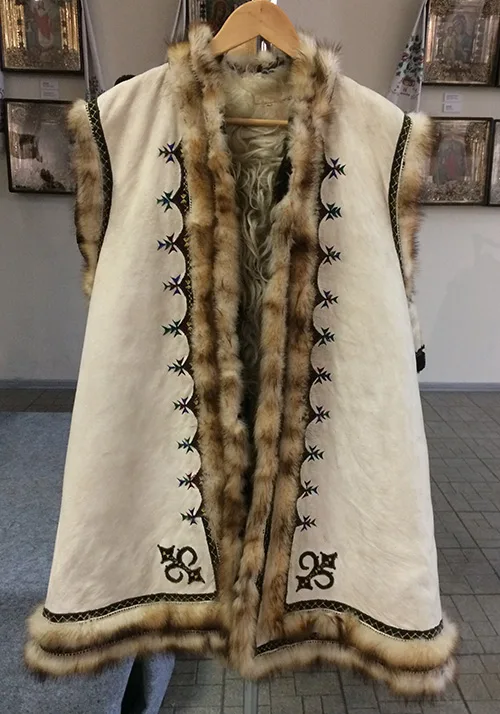
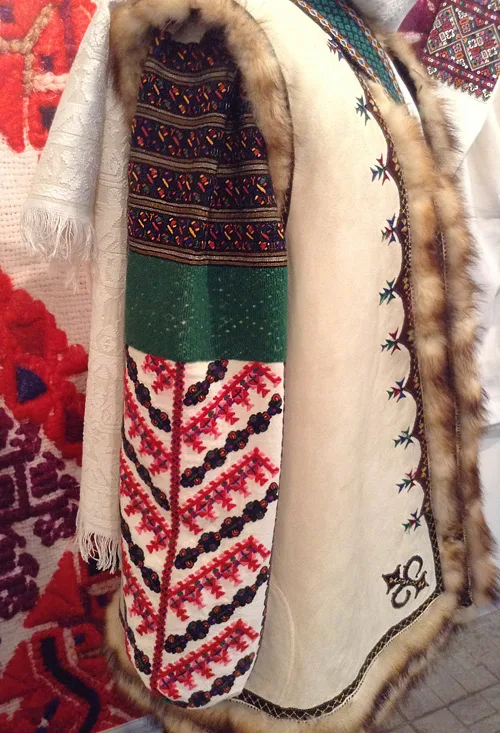
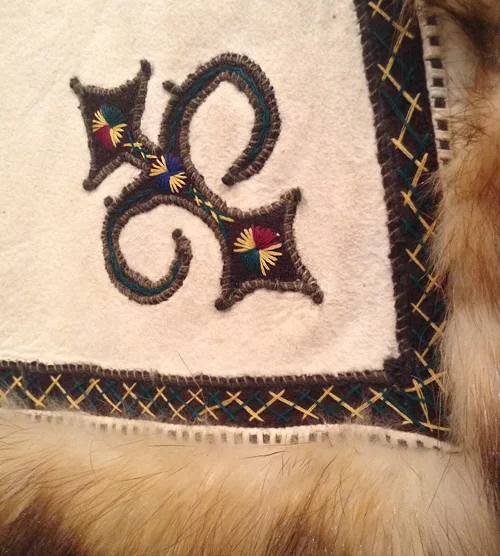
Traditional fur vest worn in Western Ukraine called “tsurkanka”. It is a garment made from sheepskin and richly adorned – with decorative fur trimming, embroidery, and applique. Tsurkanka is a rather long vest, sometimes it reached to the knees, unlike the more popular keptar that usually was waist-long.