Traditional ornaments of ancient Macedonian embroidery. Encrypted symbols and names of Gods
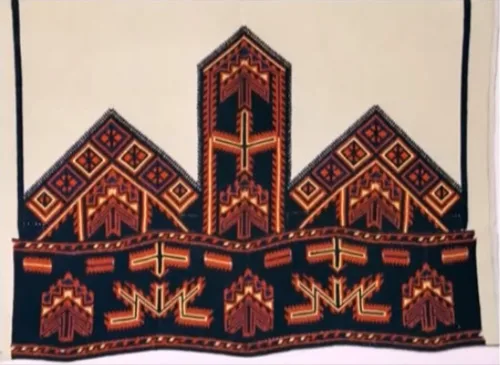
The older the embroidery pattern is, the deeper meaning it has. Modern embroidery designs, usually, just mimic flowers, leaves, and animals, while in millenniums-old patterns, every stitch may have a meaning. People used to invent a new design for each person. Often, they encrypted names, phrases, or important symbols into the embroidery. Here, on the example of Macedonia, you can see the confirmation.
Macedonian civilization. Written evidence in the form of the ligature, a tradition at least 400,000 years old. This tradition has its roots in the period of the great Zeta Macedonia.
The expression, the motif, and the message have been drawn from mythological worldviews, united precisely in the perfection of the artistic expression – ligature. In this way, the very motives of embroideries and stone engravings, represent a message and record of eternal universal laws and spiritual principles of the Sun God Ili-Il and the divine spirit Macedon.
These names come from old pagan beliefs of Macedonians. They believed in the God named “Ili”, “Il”, or “Ilija”. His son’s name was “Ilion” or “Macedon”. Therefore, the word “Macedonians” means “sons of Macedon”. They called themselves the children of the God’s son – the grandchildren of the God.
The first letter “M” is seen everywhere in the authentic embroidery patterns and on the old engravings. Even appr. 5,000 years B.C., there were engravings in Macedonia with encrypted names of Gods and important things for people of that age (like seasons, etc.).
In short, the older the embroidery pattern is, the deeper meaning it has. Modern embroidery designs, usually, just mimic flowers, leaves, and animals, while in millenniums-old patterns, every stitch may have a meaning. People used to invent a new design for each person. Often, they encrypted names, phrases, or important symbols into the embroidery. Here, on the example of Macedonia, you can see the confirmation.
Embroidery on a bridal folk costume, Kriva Palanka region, the Republic of Macedonia (the photo is taken from the Ph.D. dissertation “Macedonian traditional ornaments” by Jasminka Ristovska Pilichkova).
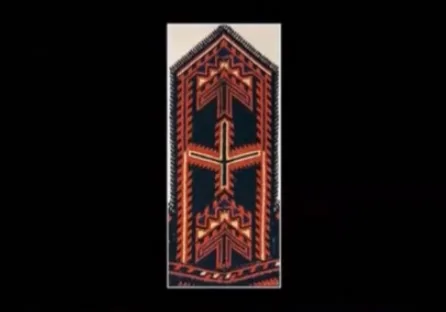
Divine Spirit MAC’DON
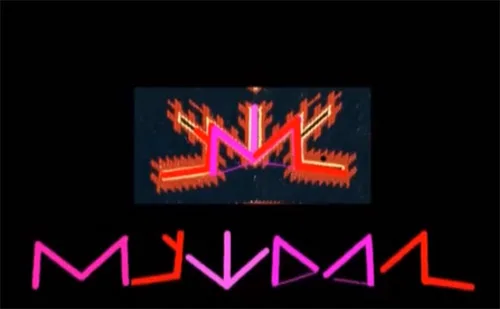
MAC’DON
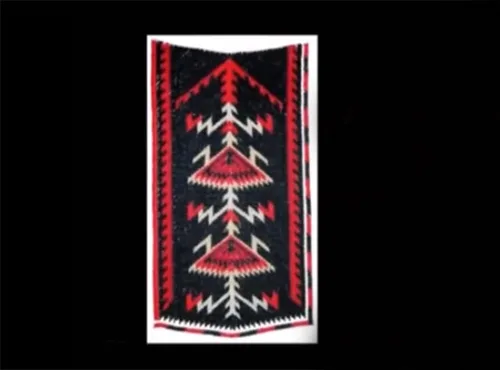
Embroidery from the village of Nikuljane, Kumanovo region containing an inscription “Macedonia”
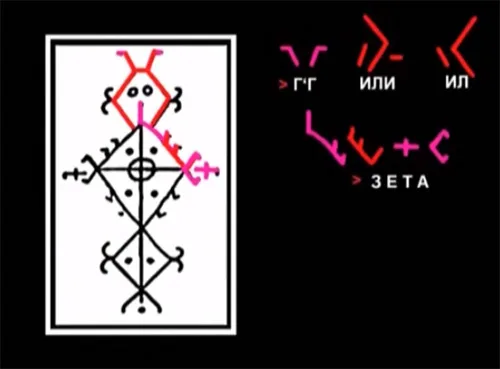
Engravings from the village of Vojnik, Pisan Kamen locality, Kumanovo region. 4480 B.C. ZETA
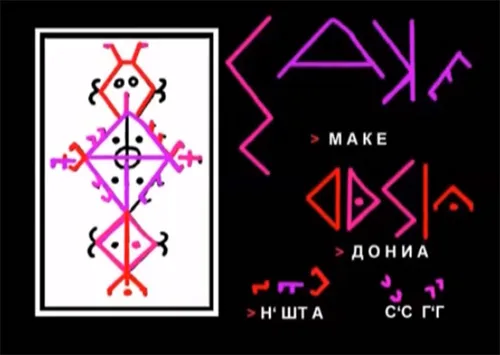
MAKE DONIA N’SHTA
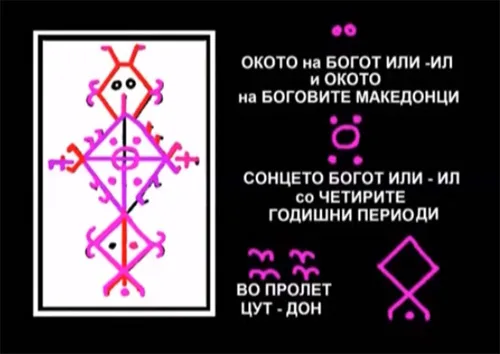
The eye of the God Ili-Il and the eye of the Gods Macedonians. The Sun God Ili-Il with the 4 seasons. In spring blossom – DON
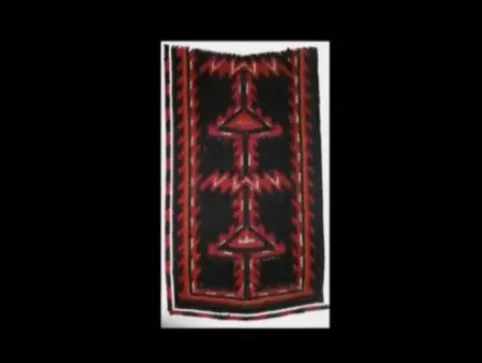
Letter “M”, Stracin, Kumanovo region
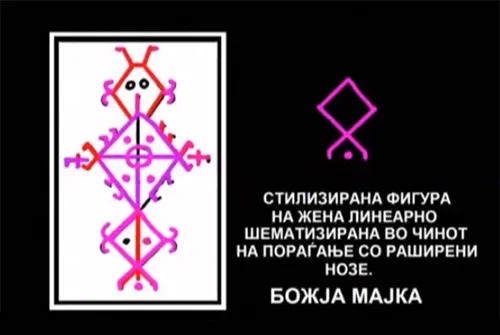
Stylized figure of a woman, linearly schematized in the act of birth-giving. Mother of God
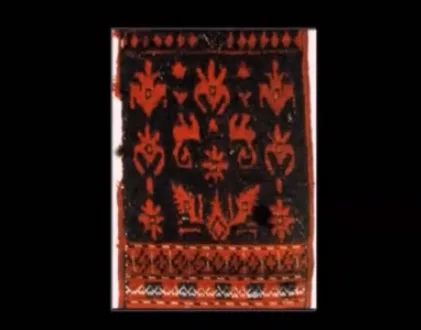
Part of a folk costume, Sokaj, Struga region, Republic of Macedonia
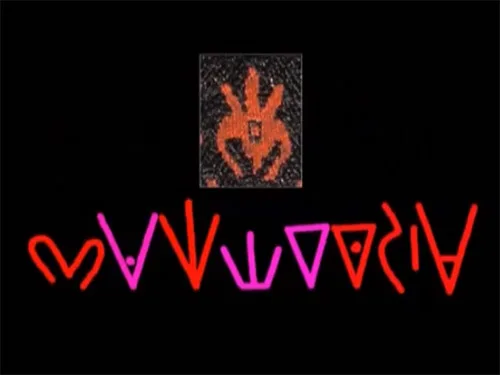
Macedonia
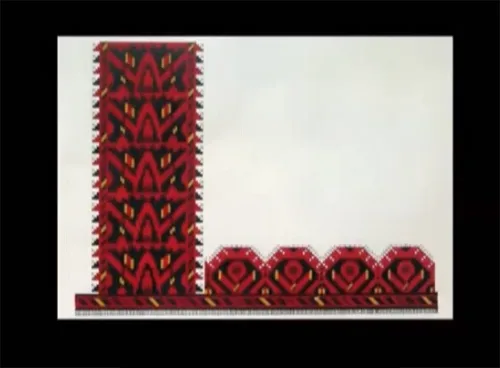
Embroidery from the Bitola region. Letter “M”
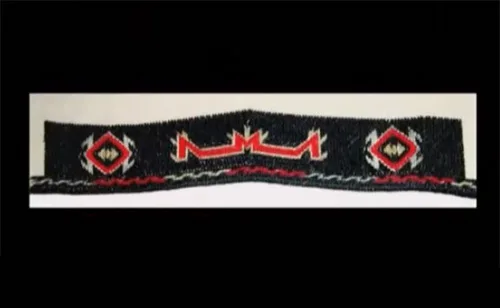
Embroidery from the Kumanovo region. Letter “M”
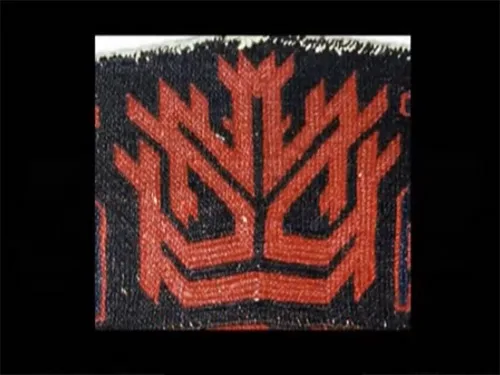
Letter “M”
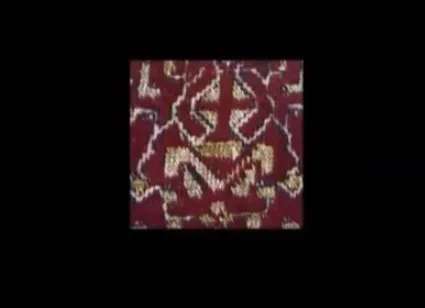
Shirt, part of undergarments. Letter “M”
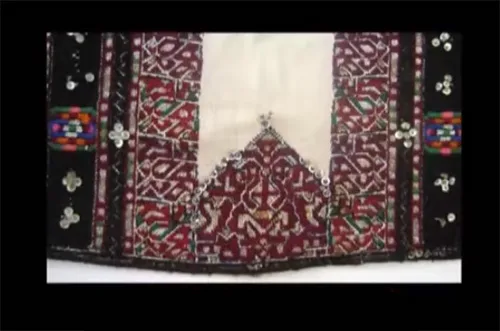
Shirt, part of undergarments. Letter “M”
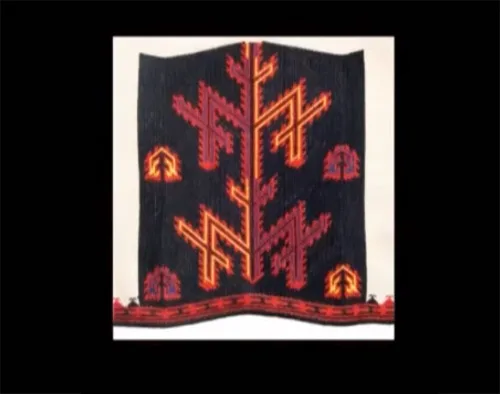
Village Romanovci, Kumanovo. Letter “M”
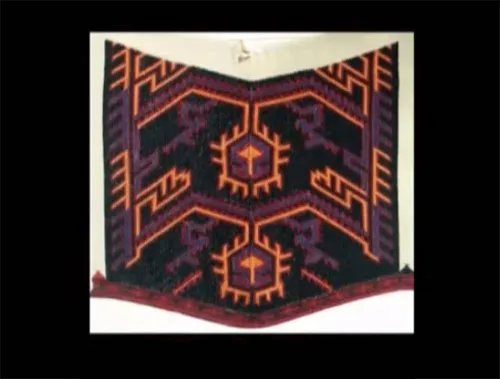
Kumanovo region. Letter “M”
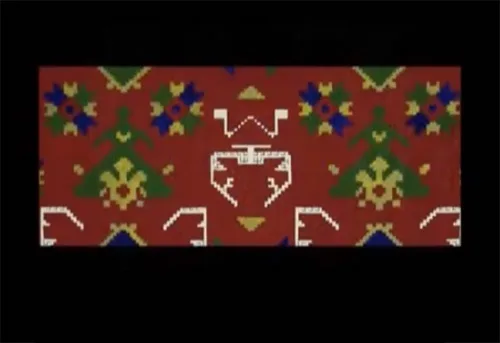
Embroidery from a sleeve of a woman’s shirt from Dolni Polog. Letter “M”
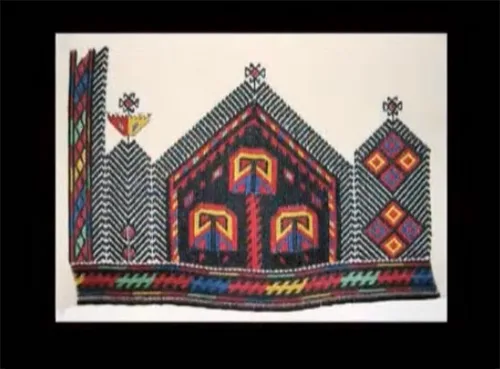
Shirt, part of undergarments. Skopje. Letter “M”