Traditional clothing of ancient Europe and Asia, the 9th-10th century (photos)
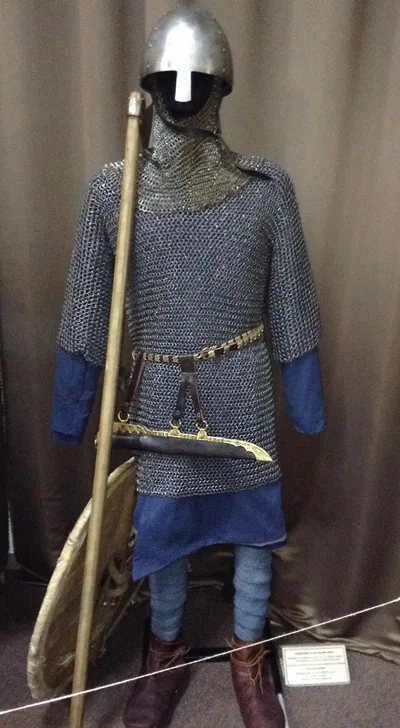
Let us present you the collection of the traditional costumes of European and Asian countries (the 9th-10th century). There are photos of the traditional clothing of Kievan Rus' (with the center in Kyiv, Ukraine), Sweden, Denmark, Russia, and Hungary. All of these outfits are reconstructions, though they are very accurate and archaeologically confirmed. There are costumes of nobility, warriors, and peasants among the samples. The clothing, shoes, jewelry, and other accessories are handmade; clothes is hand-dyed.
Warrior armor. Gotland, Sweden. The end of the 10th century. Reconstruction made by Sviatoslav Stepanenko
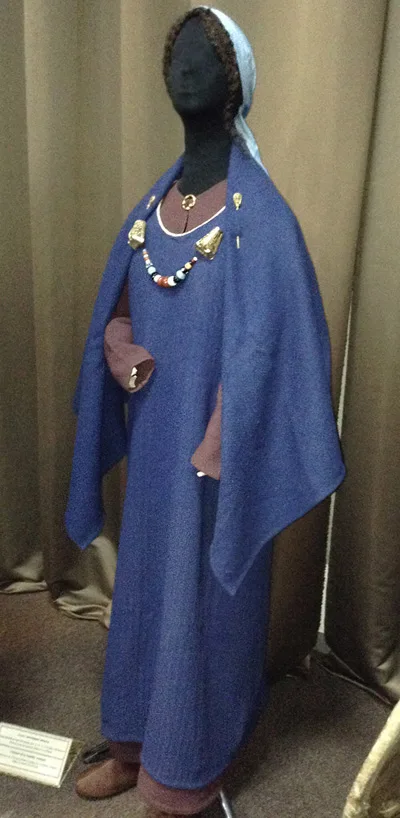
Clothes of a wealthy woman. Gotland, Sweden. The end of the 10th century. Reconstruction made by Daria Holubchyk
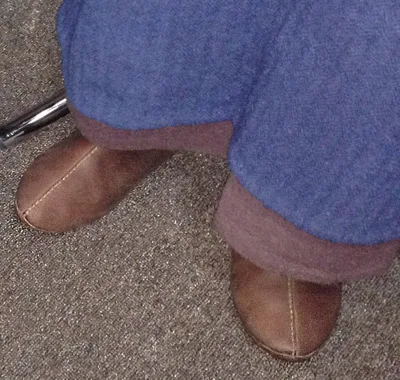
Women's leather shoes of a noble woman in Sweden. The 10th century. Reconstruction
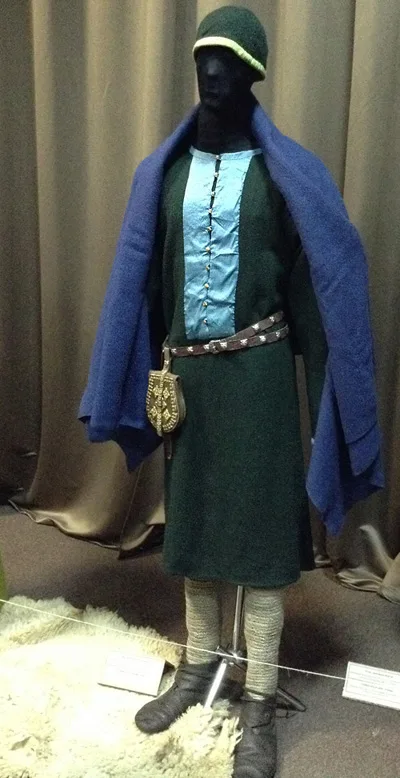
Clothes of a wealthy man. Birka, Sweden. The 10th century. Reconstruction made by Volodymyr Panivko
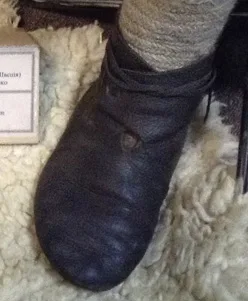
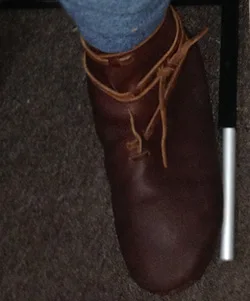
Men's leather shoes used in Sweden in the 10th century. Reconstruction
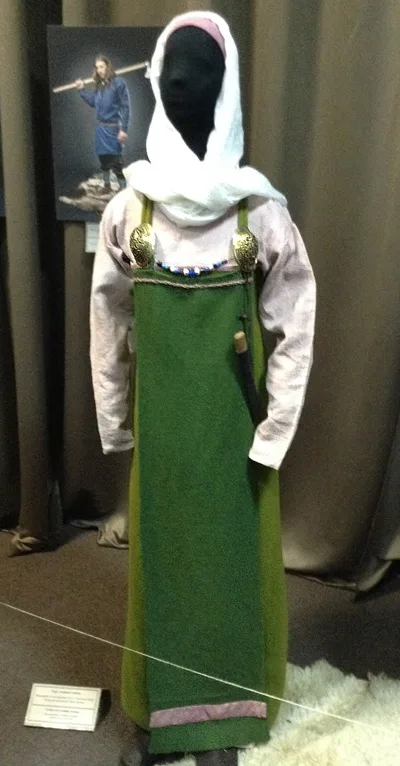
Clothes of a wealthy woman. Denmark. The 10th century. Reconstruction made by Anna Chesnykh
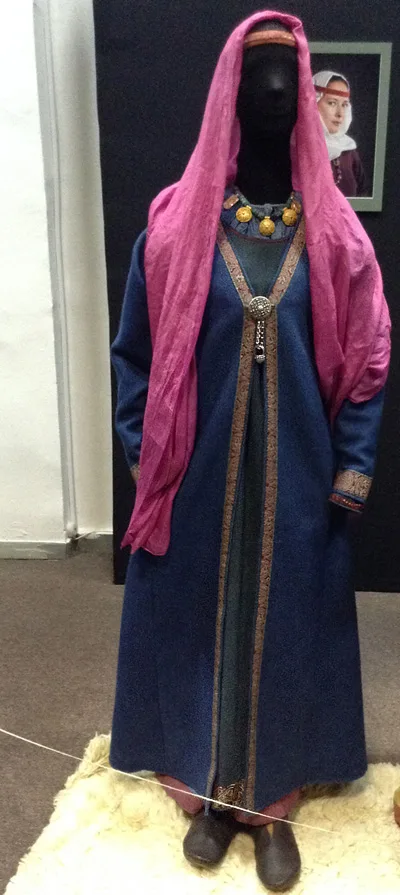
Clothes of a wealthy woman. Ukraine (Kievan Rus'). The 10th century. Reconstruction
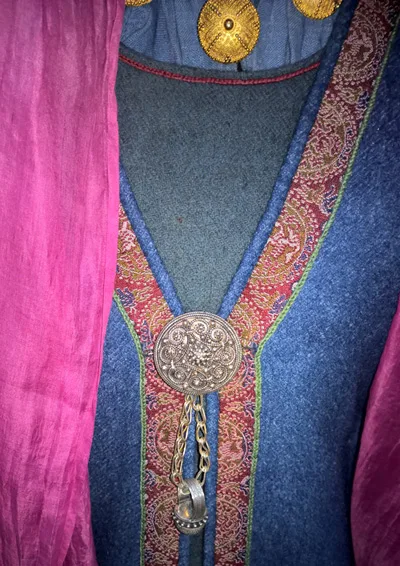
Beautiful silver broach. Ukraine (Kievan Rus'). The 10th century. Reconstruction
Share your own or your ancestors’ love story with the world!
Our partner website Weddingsallovertheworld.com starts a new project where people can publish their own Wedding Story or – and that’s even more exciting! – the Wedding Story of their ancestors. If you know how your grandparents, great grandparents, or other relatives met and got married, don’t miss the chance to tell their story. Isn’t it romantic and adorable to read real-life love tales that happened dozens or even hundreds of years ago?!
You’ll find details here: Your Wedding Story
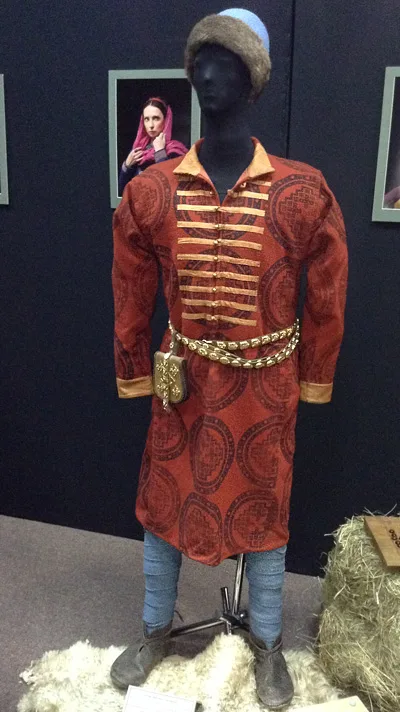
Clothes of a wealthy man. Chernihiv, Ukraine (Kievan Rus'). The 10th century. Reconstruction made by Olexandr Chesnykh
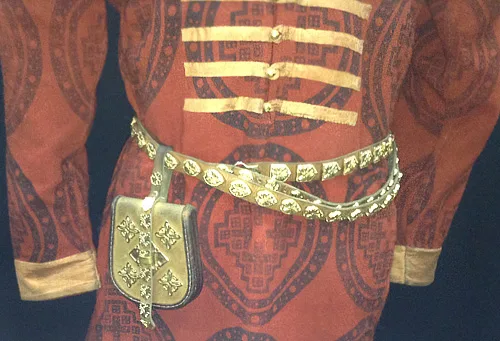
Belt and belt bag of a wealthy man. Chernihiv, Ukraine (Kievan Rus'). The 10th century. Reconstruction
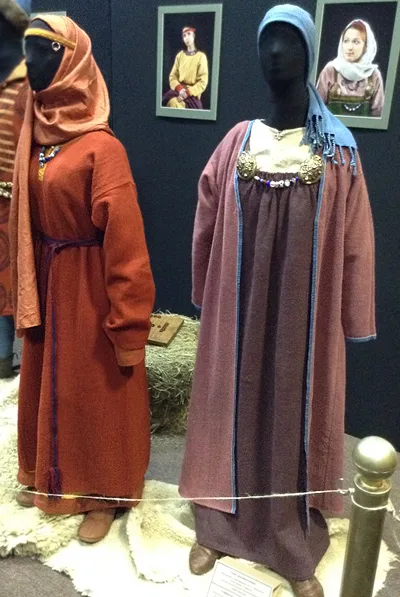
Clothes of wealthy women. Ukraine (Kievan Rus'). The 10th century. Reconstruction made by Anna Shapoval
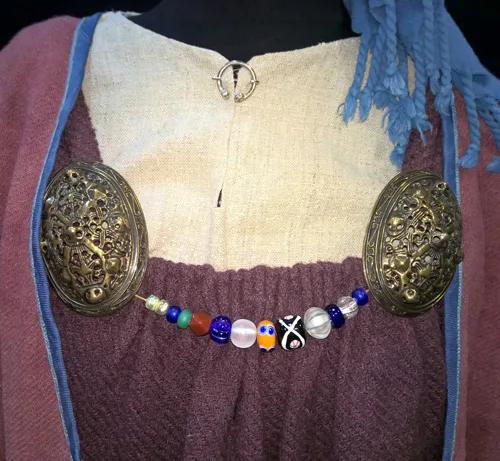
Jewelry used by women in Ukraine (Kievan Rus') in the 10th century. Reconstruction
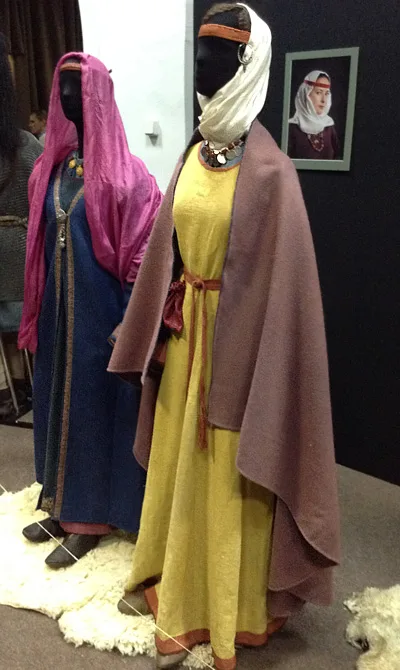
Clothes of wealthy women. Ukraine (Kievan Rus'). The 10th century. Reconstructions
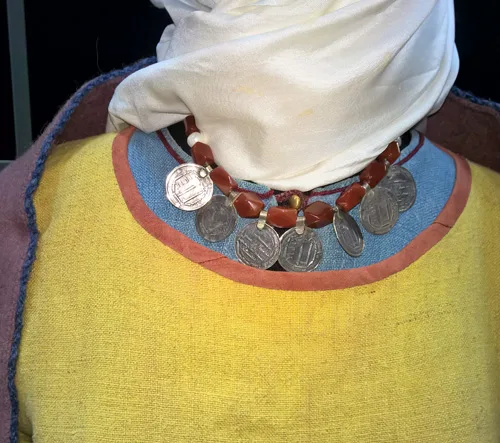
Women's necklace used in Ukraine (Kievan Rus') in the 10th century. Reconstruction
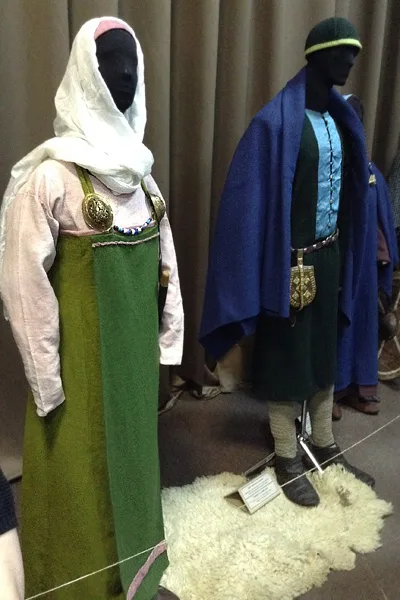
Clothes of wealthy man and woman from Europe, the 10th century
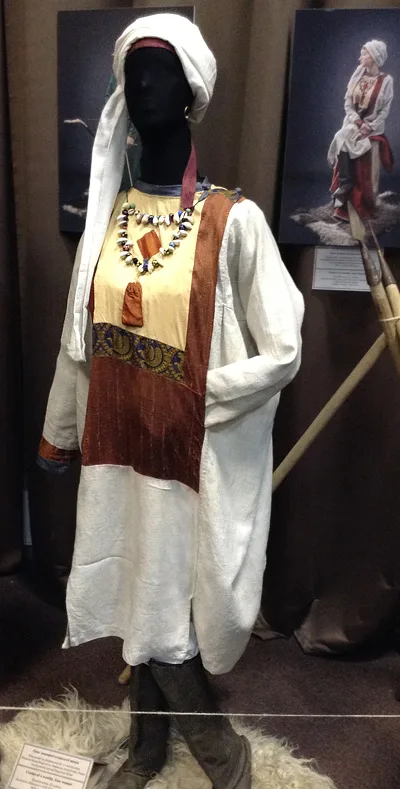
Clothes of a wealthy Alan woman. Russia. The 9th century. Reconstruction made by Veronika Shova
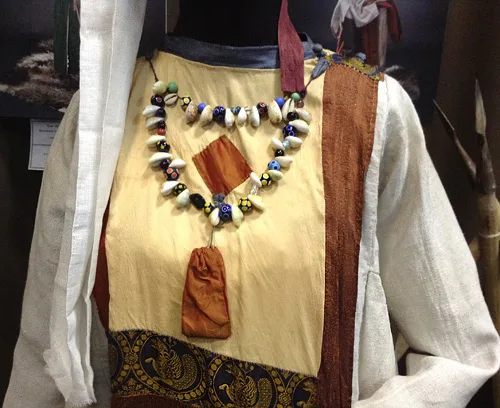
Jewelry and the upper part of the traditional dress of a wealthy Alan woman. Russia. The 9th century. Reconstruction
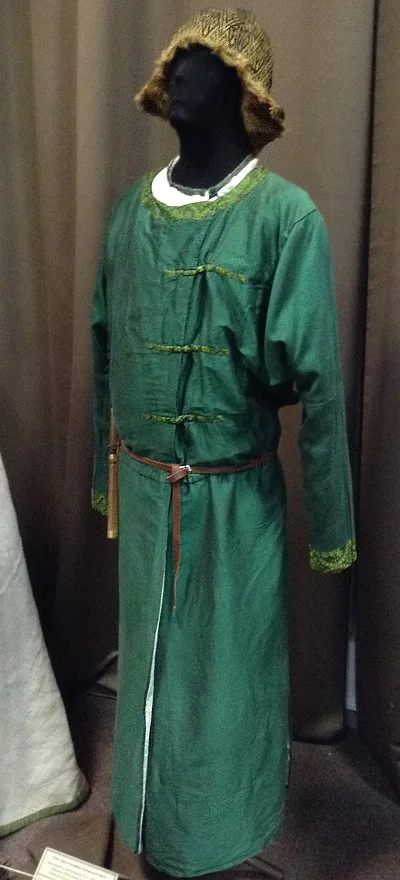
Clothes of a Khazar nobleman. Russia. The 9th century. Reconstruction made by Yevheniy Bolotnov
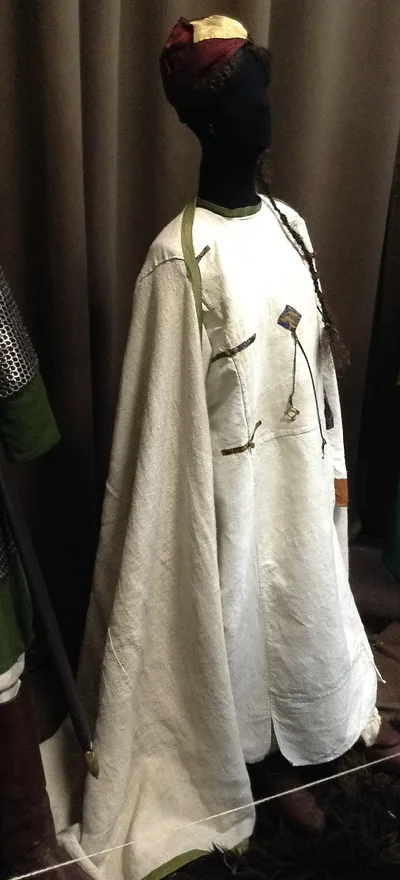
Clothes of a wealthy Asian woman. The 9th century. Reconstruction
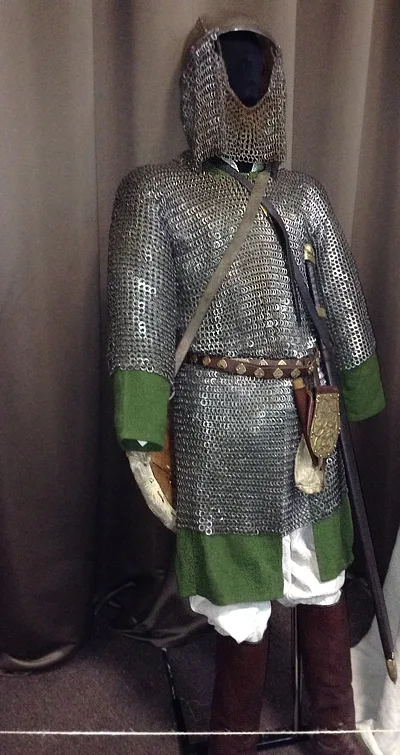
Armor of a Hungarian warrior. Hungary. The 10th century. Reconstruction made by Volodymyr Maliev
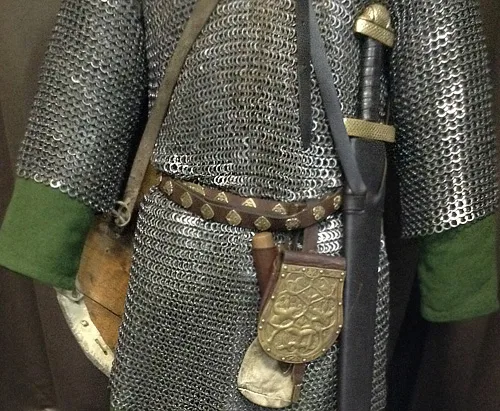
Belt set of a Hungarian warrior. The 10th century. The set consists of a knife, and 2 small belt bags
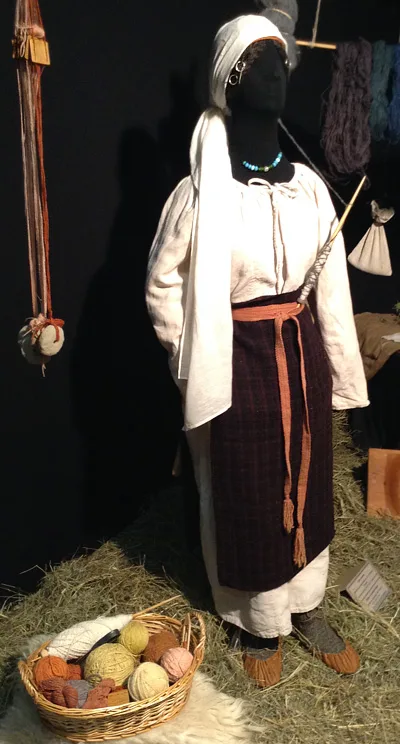
Clothes of a peasant woman. Ukraine (Kievan Rus'). The 10th century. Reconstruction
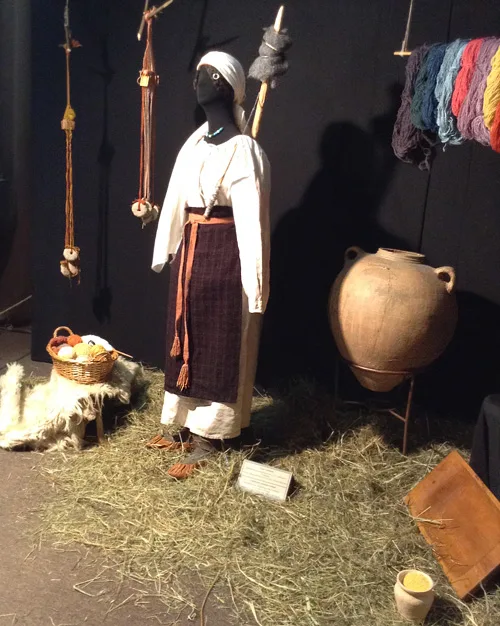
The lifestyle and crafts of people in Kyiv region, Ukraine (Kievan Rus'). The 10th century. Reconstruction. The yarn at the photo is hand spun and dyed with natural organic colorings
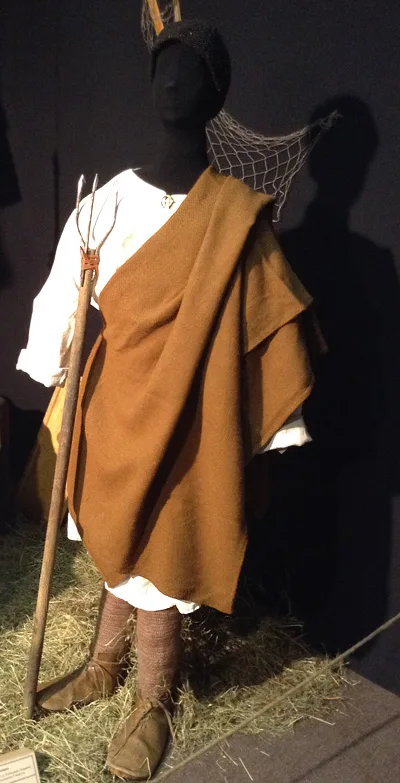
Clothes of a peasant man. Kyiv region, Ukraine (Kievan Rus'). The 10th century. Reconstruction made by Kostiantyn Hovorukha
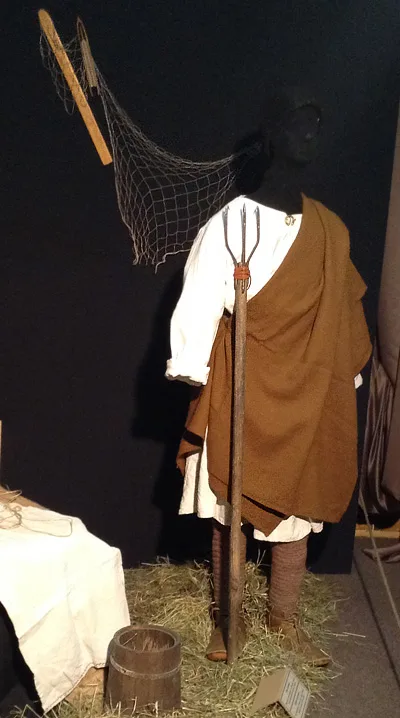
Clothes and household items of a fisher from Kyiv region, Ukraine (Kievan Rus'). The 10th century. Reconstruction
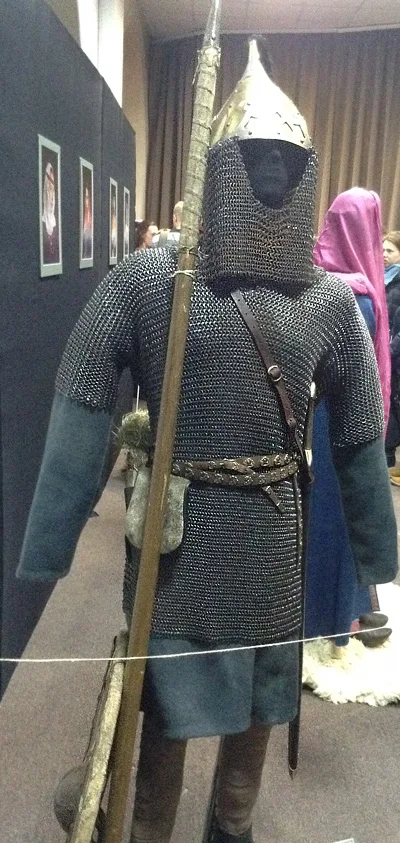
Armor of a Ukrainian warrior, Kyiv region (Kievan Rus'). The 10th century. Reconstruction
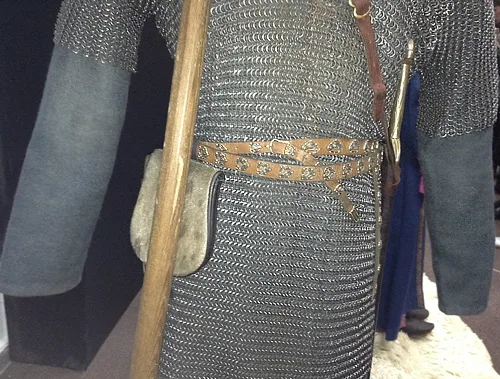
Belt and belt bag of a Ukrainian warrior (Kievan Rus'). Reconstruction
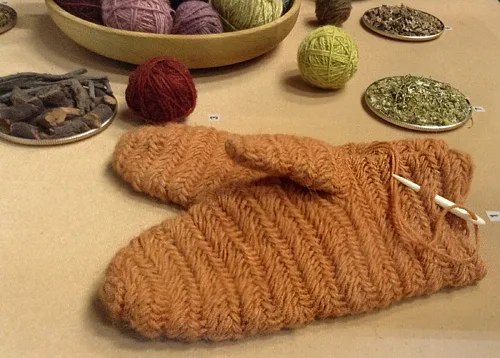
Mittens used by ancient people in Europe. About the 9th – 10th century. A very special technique was used – knitting with a bone sewing needle
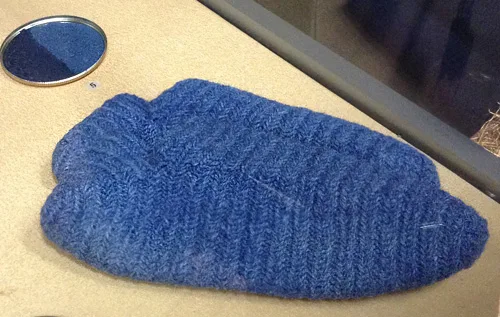
Socks used by ancient people in Europe. About the 9th – 10th century. They are also hand knitted with a bone sewing needle
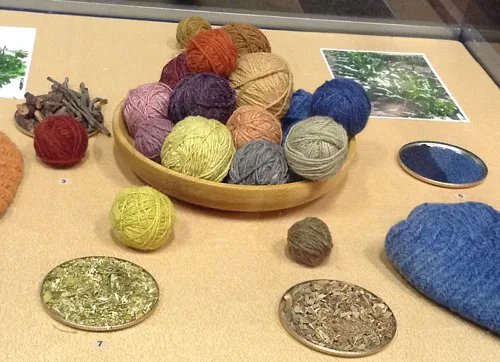
Homemade and hand-dyed yarn; herbs that were used to dye it. In ancient times only natural colorings were used (for example, chamomile flowers, oak roots etc)
Save
4 archived reader comments
Preserved from the original site. New comments are closed.
What material are the belts of the warriors made out of? Brass? Bronze?Thank you,
2Mihai The belts are made from leather (bull hide, the back part – it is the thickest and strongest part of the hide). The belts are embellished with small casted decorative plates. The tradition of using casted decorations is originated from Magyar (early Hungarian) tribes. These plates and other decorative elements (e.g. belt buckles) are most often made from bronze, sometimes also from silver and gilded silver.
Hola, como es el tejido con aguja de coser
These displays of 9-10th Century costumes - attire are miss leading and in some cases all wrong. The Eastern Vikings (Rus or Varangians, names used by different regions) afapted many of the fashion styles of their contemporaries like the Slavs, Bulgars, Alans, Kazars and Magyars. The so called Birka belt pouch for example is a Hungarian (Magyar) tarsoly, perhaps acquired through trade or raid, but typically an item showing status and developed by the Magyar craftsman. Found in great numbers and styles in graves of mostly men with warrior or ranked status. The chainmail was very expensive and only the elite warriors - leaders had it, most common defensive attire was leather armor, shields and padded coats. The belt system, used to hang swords, arrow and bow quivers, etc., was used by the Bulgars, Kazars, Alans, Magyars and by Vikings only after contact with the aforementioned. The metal decorative fittings in elite levels were of silver gilded with gold. The horse archer people used rich materials for their kaftans, often getting the textiles/silk from Persia and the Byzantines or even the Far East. Their women also dressed expensively and colorfully with much jewelry. However still able to ride in their attire as was their norm opposed to Viking women. Unfortunately the costumes displayed do not reflect The above mentioned.